












eSIM Croatia
Top 6 Best eSIM For Croatia
Jan
Get instant internet access for your trip. Compare the top eSIMs, discover 5G plans, and avoid expensive roaming fees.
 Written by Peter Moore , eSIM Content Writer
Our Verdict: eSIM4

eSIM4 is the best eSIM for croatia travel. It pairs strong local network coverage with the only travel eSIM that includes real voice calling and SMS via the optional Yabb app, plus unlimited plans from a weekend through to a full month. Instant install, no SIM swap, and consistent 4G/5G speeds.
Why We Chose eSIM4
- Best Network: Local carrier with strong 4G/5G across croatia.
- Real Phone Number: Optional Yabb app adds calls and SMS on a routable number.
- Widest Plan Range: 1GB to unlimited 30-day, starting from $2.98.
- Instant Setup: Install before you fly, auto-connect on landing.
- 24/7 Support: Email, chat, and WhatsApp support around the clock.
Choosing the Best eSIM for Croatia
Visiting Croatia in 2026 promises beautiful coastlines and historic cities. Whether you are island hopping in Dalmatia or exploring Dubrovnik, having reliable internet connectivity is vital for navigation and staying in touch.
When traveling to Europe, buying a digital prepaid eSIM is far more convenient than hunting for a local SIM card shop. It empowers you to bypass costly international data roaming charges and get online immediately upon arrival to save a lot of money. We have tested the leading eSIM services to help you find the best data package for your journey, ensuring you stay connected via robust local networks like Telemach, A1 Croatia, and T-Mobile Croatia (HT).
Our Recommendation: eSIM4
For travelers to Croatia, our top pick is eSIM4. This provider offers seamless access to the Telemach network, straightforward pricing, and travel-friendly features.
Why eSIM4 is the Top Choice for Croatia
- Premium Network Access: eSIM4 uses the Telemach network, ensuring strong 4G and LTE signals across the country.
- Instant Activation: Receive your QR code instantly via email. You can even set it up before you leave home.
- Affordable Rates: Plans are budget-friendly with no hidden costs, starting as low as $2.98.
- Trusted Service: Relied upon by over 100,000 travelers globally with 24/7 customer support.
- Flexible Options: Select from 12 distinct plans, including unlimited data packages for heavy users.
- Useful Extras: The optional Yabb app allows you to make calls and send texts without high fees.
Quick Comparison: Top eSIM Choices for Croatia
Review the leading providers at a glance to find your best match.
| Rank | Provider | Rating | Network Partner |
Plans | Starting Price |
Best For |
|---|---|---|---|---|---|---|
| 1 | ⭐ eSIM4 | 4.9/5 | Telemach | 12 options | $2.98 | Overall value |
| 2 | Saily | 4.7/5 | Various | 5 options | $3.99 | Ease of use |
| 3 | Airalo | 4.7/5 | Telemach/A1 | 6 options | €4.00 | Reliability |
| 4 | Nomad | 4.6/5 | Tele2/VIPnet | 5 options | $4.50 | 5G Speed |
| 5 | aloSIM | 4.4/5 | Tele2 | 6 options | $4.50 | Phone numbers |
| 6 | Jetpac | 4.5/5 | Multiple | 8 options | $1.00 | Budget entry |
How to Select Your Ideal Plan
While eSIM4 is our favorite, every trip is unique. Consider these factors when choosing your Croatia eSIM.
| Factor | What to Look For | Why It Matters |
|---|---|---|
| Trip Length | Does the plan validity match your itinerary? | Choose a plan that lasts your entire stay to avoid top-ups. |
| Data Usage | Will you stream video or just use maps? | Heavy users streaming YouTube or checking Facebook should consider unlimited plans; light users can save with smaller caps. |
| Hotspot Needs | Do you need to connect your laptop or tablet? | Ensure your chosen provider allows tethering and personal hotspot if you have multiple devices. |
| Coverage Area | Are you visiting remote islands or cities? | Check for major mobile network operator partnerships like Telemach or A1 for best rural coverage. |
| Budget | Is the cost per GB reasonable? | Compare total costs, but don’t sacrifice reliability for a few cents. |
Top eSIM Providers
Detailed reviews with verified pricing and carrier-specific notes.
eSIM4
Best Overall for Croatia

eSIM4’s Croatia plans run on HT (Hrvatski Telekom), the country’s largest and most reliable network. You get 4G coverage across Dubrovnik, Split, Zagreb, and the Dalmatian islands at prices that undercut airport kiosks by 50 percent or more.
Coverage
HT blankets Croatia’s mainland and coast with strong 4G LTE. Expect 50, 150 Mbps in Zagreb, Split, and Dubrovnik. 5G is live in Zagreb’s city centre. On the islands (Hvar, Brac, Korcula), real-world speeds sit at 20, 60 Mbps 4G, more than enough for navigation, streaming, and messaging.
Activation Process
Install the QR code on Wi-Fi before you fly. Settings > Cellular > Add eSIM on iOS, or Settings > Network > SIM manager on Android. The plan activates automatically when you land at Zagreb (ZAG) or Split (SPU). No airport kiosk, no queue.
Price
Plans start at $2.98 for 1 GB / 7 days. Less than a coffee in Dubrovnik’s Old Town. The 5 GB / 30-day plan at $8.98 suits most Adriatic island-hop trips, and unlimited plans start at $7.98 for 3 days. Every plan shows the crossed-out ‘was’ price so you see your exact saving.
Data Plans
| Data | Duration | Price | Savings |
|---|---|---|---|
| 1GB | 7 Days | $7.20 $2.98 | Save $4.22 |
| 2GB | 15 Days | $10.80 $4.98 | Save $5.82 |
| 3GB | 30 Days | $13.50 $5.98 | Save $7.52 |
| 5GB | 30 Days | $18.90 $8.98 | Save $9.92 |
| 10GB | 30 Days | $30.60 $15.98 | Save $14.62 |
| 20GB | 30 Days | $45.90 $23.98 | Save $21.92 |
| Unlimited | 3 Days | $17.10 $7.98 | Save $9.12 |
| Unlimited | 5 Days | $34.20 $17.98 | Save $16.22 |
| Unlimited | 7 Days | $45.00 $23.98 | Save $21.02 |
| Unlimited | 10 Days | $53.10 $27.98 | Save $25.12 |
| Unlimited | 15 Days | $70.20 $37.98 | Save $32.22 |
| Unlimited | 30 Days | $106.20 $57.98 | Save $48.22 |
Pros
- HT network. Croatia’s #1 carrier covering the coast and islands
- Unlimited plans from $7.98 (3 days). No throttling
- Real Croatian phone number for calls and 2FA SMS
- Instant QR activation. Install before you leave home
- 24/7 customer support and a 30-day money-back guarantee
Cons
- Data-only plans don’t include voice calling (upgrade to a number plan)
Our Verdict
eSIM4 is the standout pick for Croatia: it rides HT’s coast-wide network, starts at $2.98, and includes a real Croatian phone number no other eSIM in this list offers.

Saily
Clean app, solid Adriatic coverage
Saily is a simple, well-designed eSIM app from the team behind NordVPN. It covers Croatia reliably and is a good fit if you already trust the Nord ecosystem, though its plan range is narrower than eSIM4’s. Especially for trips shorter than 30 days.
Coverage
Saily connects via HT or A1 Croatia depending on local signal strength, giving you automatic network selection across the Dalmatian coast and the islands. Real-world speeds in Split and Zagreb hit 30, 100 Mbps 4G in populated areas.
Activation Process
Buy in the Saily app (iOS or Android) and scan the QR code directly from the app screen. IOS users get a tap-to-install option; Android requires a manual QR scan. Install before boarding. The plan waits until you land.
Price
1 GB / 7 days is $3.99. The 5 GB / 30-day plan sits at $10.99. $2.01 more than eSIM4’s equivalent. Unlimited 15-day plans are $48.99 for heavy users spending two weeks on the Adriatic.
Data Plans
| Data | Duration | Price |
|---|---|---|
| 1GB | 7 Days | $3.99 |
| 3GB | 30 Days | $7.99 |
| 5GB | 30 Days | $10.99 |
| 10GB | 30 Days | $17.99 |
| 20GB | 30 Days | $27.99 |
| Unlimited | 15 Days | $48.99 |
Pros
- Clean, beginner-friendly app with guided setup
- Automatic carrier switching between HT and A1
- Trusted brand backing from Nord Security
Cons
- No voice or SMS. Data only
- Fewer short-trip plan options than eSIM4

Nomad
Solid unlimited short-trip plans
Nomad is a Canadian eSIM marketplace with strong European coverage. Its range of short-trip unlimited plans (3, 5, 7, and 10 days) makes it a sharp pick for a quick Adriatic getaway when you’d rather not count gigabytes.
Coverage
Nomad routes through HT in Croatia. Expect consistent 4G in Zagreb, Split, and Dubrovnik. 40, 100 Mbps in city centres. Island coverage follows the HT footprint, which is strongest on Hvar, Brac, and Korcula.
Activation Process
Buy on the Nomad website or app, scan the QR code, and install at home. The plan activates on first data use in Croatia. Not on purchase. So there’s no risk of burning days before your flight lands.
Price
1 GB / 7 days is $4.50. The 10 GB / 30-day plan is $16.00. A few dollars more than eSIM4 for the same allowance. The Unlimited 7-day plan at $23.00 suits travellers who don’t want to track their usage on a Dalmatian island-hop.
Data Plans
| Data | Duration | Price |
|---|---|---|
| 1GB | 7 Days | $4.50 |
| 3GB | 30 Days | $9.00 |
| 5GB | 30 Days | $12.50 |
| 10GB | 30 Days | $16.00 |
| 20GB | 30 Days | $20.00 |
| 50GB | 30 Days | $45.00 |
| Unlimited | 3 Days | $11.00 |
| Unlimited | 5 Days | $17.00 |
| Unlimited | 7 Days | $23.00 |
| Unlimited | 10 Days | $31.00 |
Pros
- Strong short-trip unlimited plan range (3, 5, 7, 10 days)
- Plans activate on first use. Not on purchase
- Simple checkout with no account required
Cons
- Data only. No voice or SMS
- Pricier per GB than eSIM4 on fixed-data plans

Jetpac
Big-data plans for long stays

Jetpac pivoted from Wi-Fi hotspot rentals to eSIM and brought its large-data plan ethos with it. Its $1.00 entry plan and oversized 30, 40 GB options are unusual in the market and suit digital nomads spending a month on Croatia’s coast.
Coverage
Coverage in Croatia is via HT. Zagreb, Split, and Dubrovnik get reliable 4G service with typical speeds of 40, 100 Mbps. The large-data plans (30 GB and 40 GB) are particularly good value for remote workers spending a month on the Adriatic.
Activation Process
Install via the Jetpac app (iOS or Android). A QR code appears immediately after purchase. The app shows real-time usage so you can monitor your balance and buy top-ups without switching to a new plan.
Price
Entry is just $1.00 for 1 GB / 4 days. One of the cheapest starting points in this comparison. The 30 GB / 30-day plan at $29.99 is outstanding value for month-long stays in Croatia.
Data Plans
| Data | Duration | Price |
|---|---|---|
| 1GB | 4 Days | $1.00 |
| 3GB | 7 Days | $7.00 |
| 5GB | 30 Days | $10.00 |
| 10GB | 30 Days | $16.00 |
| 15GB | 30 Days | $19.99 |
| 20GB | 30 Days | $45.00 |
| 30GB | 30 Days | $29.99 |
| 40GB | 30 Days | $34.99 |
| Unlimited | 10 Days | $33.99 |
Pros
- $1.00 entry plan for ultra-short or minimal-data trips
- Best large-data value: 30 GB for $29.99, 40 GB for $34.99
- Unlimited 10-day plan available for $33.99
Cons
- App UI is less polished than Saily or Airalo
- No voice or SMS included

GigSky
Long-duration plans for slow travellers

GigSky is one of the original eSIM providers, initially built for frequent business flyers. For Croatia, it offers a compact plan range with unusual 90-day and 180-day options. Rare in the market and useful for those wintering on the Adriatic.
Coverage
GigSky connects to HT in Croatia. Performance in Zagreb and Split is reliable; Dubrovnik’s tourist density rarely causes issues on HT. The 50 GB / 90-day and 100 GB / 180-day plans are aimed at slow travellers who want a single eSIM for a long Croatian stay.
Activation Process
Install via the GigSky app or Apple’s built-in eSIM store on compatible iPhone models. Standard QR-code activation is available. Note that plans activate on purchase. Buy close to your departure date to avoid losing days.
Price
1 GB / 7 days is $4.99. The most expensive entry plan in this list. The 3 GB / 15-day plan at $9.34 is more reasonable for a short Adriatic visit. Long-stay plans (50 GB / 90 days at $58.64) suit travellers planning a Croatian winter.
Data Plans
| Data | Duration | Price |
|---|---|---|
| 1GB | 7 Days | $4.99 |
| 3GB | 15 Days | $9.34 |
| 5GB | 30 Days | $14.02 |
| 10GB | 30 Days | $21.67 |
| 50GB | 90 Days | $58.64 |
| 100GB | 180 Days | $87.97 |
Pros
- Rare long-duration plans: 90-day and 180-day options
- Available via Apple’s built-in eSIM store on compatible iPhones
- Established brand with over a decade of reliability
Cons
- Most expensive entry plan in this comparison ($4.99 for 1 GB)
- Plans activate on purchase. Poor timing costs you days

aloSIM
Straightforward pricing for island holidays

aloSIM is a Canadian eSIM provider with a tidy app and no-nonsense pricing. It covers Croatia with plans from 1 GB to 20 GB. Nothing flashy, but solid and well-priced for a standard Adriatic holiday.
Coverage
aloSIM uses HT in Croatia. Signal is strong across Zagreb, Split, and the major Dalmatian cities, with reliable 4G on Hvar, Brac, and Korcula. Remote stretches of smaller islands can be patchier, as with all HT-based providers.
Activation Process
Download the aloSIM app, select Croatia, choose a plan, and tap install. IOS: Settings > Cellular > Add eSIM. Android: varies by manufacturer. Install at home on Wi-Fi. The eSIM activates on first use in Croatia.
Price
1 GB / 7 days is $4.50. The 5 GB / 30-day plan is $10.50. $1.52 more than eSIM4’s equivalent. The 20 GB / 30-day plan at $25.50 suits photo-heavy two-week island-hoppers who shoot a lot of video.
Data Plans
| Data | Duration | Price |
|---|---|---|
| 1GB | 7 Days | $4.50 |
| 2GB | 15 Days | $6.50 |
| 3GB | 30 Days | $8.00 |
| 5GB | 30 Days | $10.50 |
| 10GB | 30 Days | $17.00 |
| 20GB | 30 Days | $25.50 |
Pros
- Clean, beginner-friendly app with simple setup
- Plans activate on first use. Days don’t start until you land
- Fair mid-market pricing across all plan sizes
Cons
- No unlimited plans available for Croatia
- No voice or SMS. Data only

Airalo
Widest plan range, up to 50 GB

Airalo is the world’s biggest eSIM marketplace, and Croatia is well-served with 12 plan options from 1 GB to 50 GB. It costs a little more than eSIM4 across the board, but its sheer range makes it a good option for heavy data users or long-stay travellers.
Coverage
Airalo connects to HT in Croatia, delivering the same network coverage as other HT-based providers across the mainland, Dalmatian coast, and major islands. The 50 GB / 30-day plan is one of the largest capped options available for Croatia from any provider.
Activation Process
Buy through the Airalo app or website and scan the QR code immediately. IOS supports tap-to-install on newer models (iPhone XS and later). Airalo also supports eSIM transfer on iPhone 15 and newer. Install before your flight.
Price
1 GB / 3 days starts at $4.00. The 5 GB / 30-day plan is $10.50. On par with aloSIM but $1.52 more than eSIM4. The 50 GB / 30-day plan at $35.00 suits remote workers spending a month on Hvar or in Dubrovnik.
Data Plans
| Data | Duration | Price |
|---|---|---|
| 1GB | 3 Days | $4.00 |
| 3GB | 3 Days | $7.00 |
| 3GB | 7 Days | $7.50 |
| 5GB | 7 Days | $9.50 |
| 5GB | 15 Days | $10.00 |
| 5GB | 30 Days | $10.50 |
| 10GB | 7 Days | $15.50 |
| 10GB | 15 Days | $16.00 |
| 10GB | 30 Days | $17.00 |
| 20GB | 15 Days | $24.50 |
| 20GB | 30 Days | $25.50 |
| 50GB | 30 Days | $35.00 |
Pros
- Widest plan selection: 12 options from 1 GB to 50 GB
- Most-downloaded eSIM app with millions of verified reviews
- Airmoney cashback rewards on referrals
Cons
- Prices are consistently higher than eSIM4 for equivalent plans
- No voice or SMS. Data only

Roamless
Pay-as-you-go for light users
Roamless runs on a pay-as-you-go balance model. You top up credit and it deducts per MB. This can work out cheaper for very light users but is harder to budget if you spend a week uploading sunset shots from Dubrovnik’s city walls.
Coverage
Roamless operates on HT in Croatia. Coverage is identical to other HT-based providers across the mainland and coast. One advantage: a single Roamless eSIM also works in neighbouring Slovenia, Bosnia, and Montenegro if you plan a multi-country Balkans trip.
Activation Process
Install the Roamless app (iOS or Android), add credit, and enable the eSIM via the QR code provided. No plan selection needed. The eSIM stays active as long as you have a balance.
Price
1 GB / 30 days is $3.95. The lowest per-GB entry price in this list. The 5 GB / 30-day plan is $9.95, competitive with eSIM4 and aloSIM. The 10 GB / 30-day plan at $16.95 is slightly pricier than eSIM4’s equivalent.
Data Plans
| Data | Duration | Price |
|---|---|---|
| 1GB | 30 Days | $3.95 |
| 2GB | 30 Days | $5.95 |
| 3GB | 30 Days | $7.45 |
| 5GB | 30 Days | $9.95 |
| 10GB | 30 Days | $16.95 |
| 20GB | 30 Days | $24.95 |
Pros
- Lowest entry price: 1 GB for $3.95
- Pay-as-you-go suits very light data users
- Single eSIM works across Croatia and neighbouring Balkans countries
Cons
- PAYG model is harder to budget than fixed-data plans
- No unlimited option. Heavy users pay more per GB
Before You Leave To Croatia: What You Need To Know
The pricing comparison above tells you which eSIM to buy. This part tells you how to actually use it once you land. And the things first-time visitors consistently get wrong.
Researched and verified against live sources. Every non-obvious claim links to its primary source.
Euro adoption wiped out the old Kuna. But cash still rules offline
Croatia joined the Eurozone on 1 January 2023, replacing the kuna with the euro at a fixed rate of 7.5345 HRK per EUR. So the currency confusion is gone, but the cash preference isn’t. As Wise’s Croatia payment guide notes, cash remains the primary payment method outside the main tourist strips, with family-owned restaurants, street vendors, and konobas often avoiding card terminals entirely to dodge transaction fees. Carry at least €30, 50 in small bills whenever you leave a major city.
AirCash. Croatia’s homegrown digital wallet with 1 million users
Beyond Visa and Mastercard, Croatia has its own local digital wallet called AirCash, which supports payments, instant deposits, withdrawals, and peer-to-peer transfers. It’s accepted at many Croatian businesses that treat it as an alternative to bank cards, and it’s particularly useful for parking payments via its app. Tourists can download and register with an EU phone number, though its acceptance at international card terminals isn’t guaranteed. Treat it as a supplement, not a replacement, for Visa/Mastercard.
The 2025 Dubrovnik Special Traffic Regulation Zone. A €100+ fine waiting to happen
Since 2025, Dubrovnik operates a Special Traffic Regulation Zone around the Old City enforced by automated cameras. Only residents and authorised vehicles may enter. Tourists who ignore the signs face hefty automatic fines. If you’re driving to Dubrovnik, park in the large 24/7 lot near the ferry port (around €30/day) and walk or take an Uber/Bolt the rest of the way. Attempting to park close to the Pile or Ploče gates is not just difficult. It’s now illegal.
Cruise ship timing in Dubrovnik. Check before you visit the Old Town
Dubrovnik Old Town between 10 AM and early afternoon on days when cruise ships are docked becomes genuinely difficult to navigate. Multiple ships can offload thousands of passengers simultaneously. Local guide Julija at Dubrovnik Driving Guide specifically advises checking cruise ship arrival schedules at cruisedig.com before planning your Old Town visit, and recommends going early morning or late afternoon instead. The wall walk in particular becomes dangerously crowded in peak midday hours.
Outer islands. Mljet, Lastovo, Vis. Have patchy signal regardless of your eSIM provider
Croatia’s three major operators are Hrvatski Telekom (T-Mobile / tmobile), A1, and Telemach, and coverage is strong across the mainland, Hvar, Brač, and Korčula. But on outer islands like Vis, Lastovo, and Mljet, even the best-equipped eSIM will have gaps. As André on Digital’s 2026 island coverage breakdown documents, Mljet and Lastovo are “largely offline regardless of provider,” and Vis coverage depends heavily on which carrier your eSIM routes through. For outer island travel, download offline maps (Maps.me or Google Maps offline mode) before you board the ferry, not after.
Jadrolinija lines with reservation vs. Without. An easy distinction to miss
Not all Jadrolinija ferries work the same way. On certain routes, a purchased ticket guarantees your departure slot. But on others, it’s first-come, first-served. Jadrolinija’s official passenger notice explains which lines operate on reservation and which don’t. Getting this wrong in summer means your car might not make the crossing even if you have a ticket. Always check whether your specific route is a reservation line before assuming you’re confirmed.
You can’t take your car to Hvar Town by direct catamaran. Car ferry goes to Stari Grad
One of the most consistent tourist confusion points on the Split, Hvar route: the direct catamarans from Split to Hvar Town carry passengers only, not vehicles. Ferryhopper’s route guide confirms that if you want to bring a car to the island of Hvar, you must take the Jadrolinija car ferry to Stari Grad (on the north side of the island), then drive roughly 20 km to Hvar Town. Foot passengers have up to 17 daily crossings in summer; car drivers have far fewer options and must book ahead.
Tipping via card terminal was only introduced in 2024. Most tips are still cash
Since 2024, it has become possible to add a tip directly via the POS card terminal in Croatian restaurants. You ask the waiter before they run the card, and they adjust the amount. However, as Expat in Croatia’s guide details, this is not universally available and the tip does not appear on your printed receipt (it’s excluded from the konačna cijena). Cash tips remain more reliable, ensure the right person receives the money, and are expected by street vendors, market stall holders, and taxi drivers who may not carry terminals at all.
Šunj Beach on Lopud. The Elaphiti secret that beats every Dubrovnik beach
Most first-timers crowd Banje Beach (Blue Flag, five minutes from Pile Gate) and miss that a 20-minute Jadrolinija or TP Line ferry from Dubrovnik drops you at Lopud Island, where a 20-minute walk leads to Šunj Beach. One of the few sandy-bottom beaches in southern Dalmatia, with shallow warm water and almost no crowds compared to the city beaches. The car-free island means the beach stays cleaner than anywhere accessible by road. Day ferries run regularly in summer; check the Jadrolinija app for the last return crossing.
Croatian power sockets use Type F / Schuko. Same as mainland Europe, not UK or US
All of Croatia runs on Type F (Schuko) sockets at 230V / 50Hz, identical to Germany, France, and most of the EU. US and Canadian travellers need a plug adapter (their devices usually handle the voltage automatically). UK travellers need a Type G to Type F adapter. The same one they’d use anywhere else in Europe. MacBooks, phone chargers, and camera batteries with dual-voltage ratings (100, 240V) work without a voltage converter.
How To Travel Around Croatia

Bolt and Uber Both Work, But Bolt Is Usually Cheaper
Uber and Bolt both operate across Croatia’s major cities. Zagreb, Split, Dubrovnik, Zadar, and Pula. And are the safest, most price-transparent option compared to metered street taxis. Tripadvisor’s Dubrovnik transport forum (updated May 2025) confirms Bolt fares from Dubrovnik Airport to Old Town run around €22, and the app tells you the pick-up point on arrival. Bolt tends to have slightly more driver availability and is marginally cheaper than Uber in most Croatian cities. Street taxis are noticeably more expensive. Local sources consistently advise against them unless nothing else is available. In Istria (Pula, Rovinj), where Uber isn’t present, the local Cammeo app fills the gap.
In Istria, Skip Uber. Download Cammeo Instead.
Cammeo is Croatia’s local ride-hailing app that functions like a Croatian Uber, and it’s essential in cities where Uber has no coverage. Expat Focus Croatia confirms Cammeo operates in Pula and Rovinj in Istria, as well as Zagreb, Split, and Dubrovnik. For Split specifically, a local Split taxi company called Eko Taxi also operates with an app and offers 20% discounts on rides paid by Mastercard or Maestro. Install both Bolt and Cammeo before you leave. They cover the gaps each other misses.
Book Ferries Early: Summer Catamarans Sell Out Days in Advance
Croatia’s ferry network is operated primarily by two companies. Jadrolinija is the state-run operator covering the widest network of routes. From the Istrian coast all the way south to Lastovo. With both car ferries and passenger catamarans. Krilo (Kapetan Luka) runs a faster, more comfortable passenger catamaran service connecting Split and Dubrovnik with Hvar, Brač, Korčula, Mljet, and Vis, including a summer Split, Dubrovnik coastal route that stops at multiple islands. TP Line covers day-tripper routes from Dubrovnik to the Elaphiti Islands. Booking via each operator’s website or via Ferryhopper is essential in July and August. Summer catamarans sell out days in advance.
Don’t Rent a Car for Dubrovnik. You Won’t Use It.
Getting around Dubrovnik Old Town without a car is the only practical option. Inside the walls, the streets are pedestrian-only. From outside the walls, Dubrovnik’s local guide Julija recommends using public buses (included in the Dubrovnik Pass), Uber, or Bolt rather than renting a car at all for an Old Town stay. The combination of the 2025 Traffic Regulation Zone, zero parking near the gates, and narrow medieval streets makes driving pointless. In Split, Hvar Town, and Zadar’s old city, the same logic applies: the old towns are pedestrian, and Uber/Bolt drop you at the edge of the pedestrian zone.
Money: How Payments Actually Work
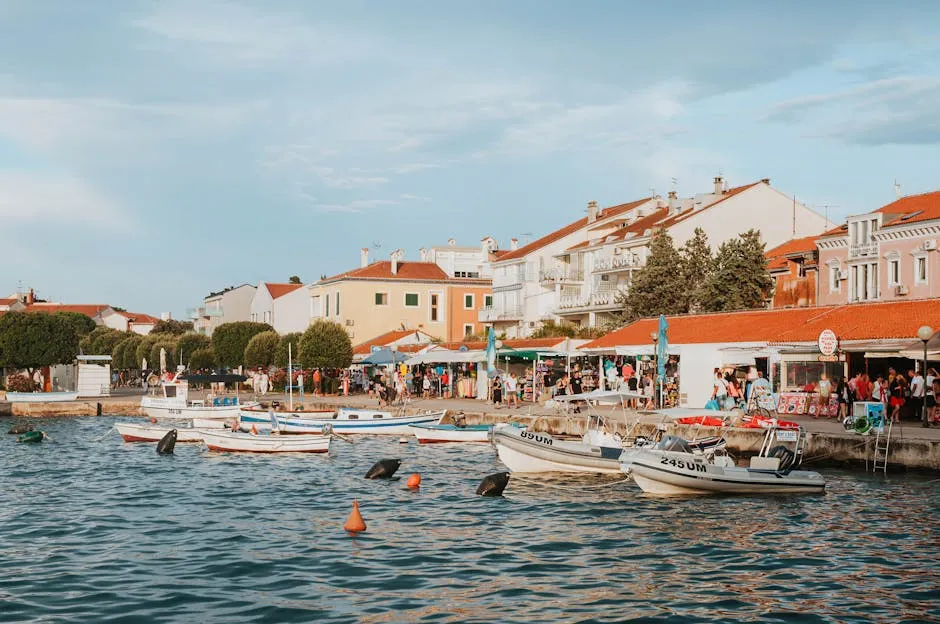
Croatia Uses the Euro, But Carry Cash Outside the Main Cities
Croatia adopted the euro in January 2023, making it the 20th eurozone member. The old kuna is gone, so there’s no currency exchange confusion. But the cash-versus-card reality remains strongly cash-leaning outside major tourist areas. Wise’s 2024 Croatia payment guide estimates cash payments have dropped 20% over the past decade, but family-owned konobas (local taverns), open-air markets, street food vendors, parking meters in smaller towns, and many island businesses still either don’t have card terminals or prefer not to use them. Carry at least €40, 60 in mixed denominations when leaving Zagreb, Split, or Dubrovnik for rural areas or outer islands.
Tap-to-Pay Works in the Cities. Withdraw More Cash, Less Often.
Contactless payments (tap-to-pay via Visa, Mastercard, Apple Pay, and Google Pay) are widely accepted in restaurants, hotels, and supermarkets in Zagreb, Split, Dubrovnik, Zadar, and Pula. Expat in Croatia confirms that since 2024, card tipping via POS terminals is possible in many restaurants. Ask before the card is charged. However, ATMs (called bankomat in Croatian) charge varying fees, and no-fee ATMs often embed the fee in the exchange rate. Stick to bank-branded ATMs and withdraw larger amounts less frequently to minimise fees. ATM withdrawal limits typically range from €100, €700 per transaction.
Tipping Is Optional Here. Americans Routinely Over-Tip.
Tipping is not mandatory in Croatia but is widely appreciated. And the norms differ from American expectations. Expat in Croatia’s tipping guide (updated March 2026) sets the standard as: restaurants 5, 15% depending on quality; caffe bars. Round up or leave 5%; taxis and Uber 0, 10%, with rounding up the norm; tour guides 10, 15%; hotel housekeeping €1.30, €2.70 per night; boat skippers 10, 15% of the charter cost (significant, as it represents 30, 50% of their income). Overtipping is noted as culturally awkward. The Croatian staff receive a full salary, unlike US tipped workers, and very large tips can be perceived as condescending.
Every Market and Roadside Stall Is Cash-Only
Open-air markets (pijaca). Including Split’s Green Market near the Peristyle, Zagreb’s Dolac Market, and Zadar’s morning market. Are cash-only environments. This applies equally to roadside producers selling olive oil, lavender, and honey along Dalmatian routes. Dubrovnik’s local guide also notes that cash is essential for tipping restaurant staff, where it guarantees the tip goes directly to the server rather than through a digital system. Even in highly touristy Dubrovnik, smaller restaurants in side streets often operate cash-preferred or cash-only.
Apps to Install Before You Leave
| App | Why | Cost | Platform |
|---|---|---|---|
| Jadrolinija | Croatia’s main state ferry operator covers the entire Adriatic network. Hvar, Vis, Korčula, Mljet, Lastovo, and international routes to Italy. Book tickets in advance in summer; e-tickets can be stored on your phone and scanned at boarding. | Free (tickets cost extra) | iOS / Android |
| Krilo (Kapetan Luka) | Faster premium catamaran service connecting Split, Hvar, Korčula, Dubrovnik and routes to Vis and Mljet. Summer catamarans sell out. Book via krilo.hr or the app ahead of travel. | Free (tickets cost extra) | iOS / Android |
| Bolt | The most widely used ride-hailing app across Croatia. Operates in Zagreb, Split, Dubrovnik, Zadar, and other coastal cities. Typically cheaper than Uber and with good driver availability. Fixed price shown before booking. | Free (rides cost extra) | iOS / Android |
| Uber | Reliable in Zagreb, Split, and Dubrovnik. Useful backup when Bolt has surge pricing or low availability. Note: Uber has limited or no presence in Istrian cities like Pula and Rovinj. Use Cammeo there. | Free (rides cost extra) | iOS / Android |
| Cammeo | Croatia’s local taxi app. Essential in Pula, Rovinj, and other Istrian towns where Uber doesn’t operate. Also works in Zagreb, Split, and Dubrovnik as a backup. Functions identically to Uber. | Free (rides cost extra) | iOS / Android |
| Ferryhopper | Third-party ferry booking platform that compares Jadrolinija, Krilo, TP Line, and others on the same route. Useful for finding the cheapest/fastest crossing and comparing Split, Hvar, Dubrovnik, Elaphiti, and island-hop routes at a glance. | Free (tickets cost extra) | iOS / Android / Web |
| Google Maps (offline mode) | Download offline maps for each Croatian region before boarding ferries. Signal on outer islands (Vis, Mljet, Lastovo) is unreliable. Offline mode works without data for navigation once the map tile is downloaded. | Free | iOS / Android |
| EasyPark | Europe’s leading parking app, covering Croatian cities including Split, Zadar, and Dubrovnik parking zones. Pay for timed parking remotely from your phone. Particularly useful for the Split coastal road parking areas. | Free (small service fee per session) | iOS / Android |
| ZgPark (Zagreb Parking) | Zagreb’s city-specific parking app operated by ZagrebParking. Required for paying at many Zagreb street parking meters and garages. Covers all city parking zones; you input your plate number and pay by the minute. | Free (parking costs extra) | iOS / Android |
| The standard messaging platform in Croatia. Locals, accommodation hosts, tour operators, and island taxi services all communicate via WhatsApp. Set up your WhatsApp on your home number before departure using Wi-Fi; it then works over your eSIM data connection without any SIM change. | Free | iOS / Android | |
| Aircash | Croatia’s local digital wallet with over 1 million users. Accepted at many Croatian businesses as an alternative to bank cards. Useful for splitting payments with locals and paying at venues that accept it but not international contactless. | Free | iOS / Android |
How Much Data You Actually Need
The biggest mistake travellers make is underestimating the amount of data they need, then burning through a 1GB plan before lunch on day one. Here is what real activities consume per hour:
Data per hour by activity (lower is better)
| Profile | Activities | Per Day | Week Total | Suggested Plan |
|---|
Activating Your eSIM on Arrival

Set This Up Before You Board: Short Stays Mean Burnt Days
Most eSIM plans start counting from the moment you first use data, not from when you land. If you’re on a 3-day or 7-day plan and you activate it at Split airport before you collect your bags, those hours count. By the time you reach your hotel in Hvar, you’ve already burned part of your first day without doing anything.
The fix is simple: install the eSIM profile at home before you fly. The plan won’t start until you turn on data in Croatia. You get every hour of your plan, starting the moment you actually need it.
How To Activate Before You Fly
- Buy your plan and save the QR code to your email or screenshots folder while you still have Wi-Fi at home.
- Install the eSIM profile on your home Wi-Fi: on iOS go to Settings > Cellular > Add eSIM and scan the QR code; on Android go to Settings > Network > SIM manager > Add eSIM.
- Keep your home SIM as your primary data line until your flight lands. When you arrive in Croatia, go to Settings > Cellular (or Mobile Data) and switch data to your eSIM. It connects to HT (T-Mobile), A1, or Telemach automatically. No password, no configuration needed.
If You Haven’t Set It Up Yet: Zagreb Airport (ZAG)
Zagreb Airport offers free unlimited Wi-Fi across the terminal under the name “ZAG Free WiFi”. No password, no registration, no time limit. Signal is reliable for app-based eSIM installation outside peak arrival windows. Connect, open your eSIM provider app, scan the QR code, and you’ll be on Croatian 4G before you reach baggage reclaim.
Physical SIM kiosks from A1, Hrvatski Telekom (T-Mobile / tmobile), and Telemach are in the arrivals hall if you decide to go that route instead. Tisak newsstands also carry prepaid SIMs.
Split Airport (SPU): Use Home or Departure Wi-Fi If You Can
Split Airport’s Wi-Fi is slower and less consistent than Zagreb’s, especially in summer when the terminal runs at capacity. BitJoy’s Croatia SIM guide confirms physical SIM kiosks at both airports match flight schedules, including late-night arrivals. But for eSIM users, the smarter move is to install the profile at home or on your departure airport’s Wi-Fi before boarding. The Croatian network picks up automatically the moment you land, no airport Wi-Fi needed.
Phone Numbers and SMS
WhatsApp, FaceTime, and Google Meet all work normally in Croatia. There are no VoIP restrictions, no app blocks, and no firewall of any kind. Croatia is an EU member state and has no internet restrictions whatsoever.
WhatsApp calls, video, texting, and messages work over 4G/5G eSIM data as reliably as at home. FaceTime (both audio and video) works.
Google Meet, Zoom, and Teams all function without issue. Croatia has no equivalent to the app-blocking environments found in parts of the Middle East or Central Asia.
The main connectivity challenge for travellers is 2FA SMS when banking abroad.
If your bank sends one-time passwords (OTPs) to your home phone number, you need that number to remain active and roaming-enabled, or you’ll be locked out. The safest setup is a dual-SIM configuration: keep your home SIM in your physical SIM slot with data roaming switched off (to avoid roaming charges) but SMS roaming on, and use your eSIM for all data.
On iPhone XR or later, this is supported natively. Your home number receives 2FA texts; your eSIM handles maps, WhatsApp, and browsing.
If you only have a single-SIM phone and transfer your number to eSIM, coordinate with your bank beforehand. Some banks offer app-based authenticators (Google Authenticator, Authy) as an alternative to SMS that don’t require your number to be reachable at all.
Where You Will Actually Use Your eSIM
- Zagreb Your eSIM earns its keep immediately on landing at ZAG. You’ll use data for Bolt/Uber rides from the airport into the city (€10, 15 to the centre), Google Maps navigation through the Upper Town (Gornji Grad) and Dolac Market area, booking restaurants on TheFork or Google, and checking tram schedules on the ZET Moj Zagreb app. Zagreb has excellent 4G/5G coverage throughout the city. all three major operators (Hrvatski Telekom, A1, Telemach) deliver robust 4G and growing 5G here. The outdoor Dolac Market and surrounding streets have solid signal for contactless payments and mapping.
- Dubrovnik Data usage spikes here more than anywhere in Croatia. You’ll need it for checking cruise ship arrival schedules to time your Old Town visit, ordering Bolt from outside the Traffic Regulation Zone (the app shows your pick-up point automatically), navigating to the cable car, booking Elaphiti Islands ferry times, and streaming the city walls route. Signal inside the Old Town walls is strong. Croatian network infrastructure handles the tourist density well. But expect competition for street-level 4G when cruise ships have disembarked. Download your offline Dubrovnik map as a backup.
- Split Split is the Adriatic’s main transit hub and your eSIM works hard here. You’ll use data for the Jadrolinija or Krilo ferry apps to book onward island tickets, Google Maps to navigate from the ferry port to Diocletian’s Palace (a 5-minute walk), ordering Bolt from the airport (about €15 to the centre), and checking real-time ferry departure boards. Up to 17 ferry crossings daily to Hvar in summer means constant schedule-checking. The ferry port area, Riva promenade, and old town all have strong 4G coverage.
- Hvar On the island of Hvar, your eSIM covers most of Hvar Town and Stari Grad reliably. The main use cases are booking dinner reservations (Hvar Town’s restaurants fill up by 8 PM in summer. Book via Google or TheFork that afternoon), using Google Maps to find beaches like Dubovica or the Pakleni Islands water taxi, and keeping WhatsApp open for your accommodation host’s instructions. Coverage drops in the rural interior of the island, so download an offline map. The catamaran ride from Split takes around 50, 55 minutes; most of the crossing has open-sea signal gaps.
- Zadar Zadar is a working city, not just a tourist destination, and coverage is solid across the old town peninsula, the Sea Organ, and the harbour. Data use here focuses on navigation (the old town’s one-way street system trips up drivers), booking tickets via the G&V Line app for Dugi Otok day trips, and streaming audio guides to the Roman Forum and Romanesque churches. Zadar is also the jump-off point for the Kornati Islands National Park. Download an offline map of the archipelago before boarding a day-tour boat.
- Pula Pula sits at the tip of the Istrian peninsula and has reliable 4G/5G throughout its compact centre. Your eSIM is most useful here for navigating to the Roman Amphitheatre (one of the world’s best-preserved), booking the Cammeo or Bolt app (Uber doesn’t operate in Pula), checking ferry times for day trips to Brijuni National Park via the NP Brijuni ferry, and looking up the Arena summer concert schedule. Coverage is good but the city’s older architecture can create occasional indoor signal blocks in thick-walled buildings.
- Korčula or Vis On Korčula, 4G is solid in Korčula Town and Vela Luka but thins out in the rural centre. Your eSIM is primarily needed for Jadrolinija schedule checking (Korčula has multiple connection points: Dominče for car ferries and Korčula Town for catamarans), navigating the Marco Polo trail, and WhatsApp messaging your host. On Vis. Croatia’s most remote inhabited island with regular ferry access. Signal exists in Vis Town and Komiža but is genuinely weak in the island’s interior. Coverage on Vis depends heavily on which carrier your eSIM uses: A1-routed plans reach furthest. Download all maps before the 2.5-hour ferry crossing from Split.
Our Final Recommendation
For travelers heading to Croatia in 2026, we strongly recommend eSIM4.
With plans starting under $3, access to the reliable Telemach network, and the flexibility of both small data buckets and unlimited options, it offers unmatched value. The ability to add voice capabilities via the Yabb app makes it a complete travel solution.
Get eSIM4 For Croatia →Making Calls in Croatia
Most eSIM plans for Croatia are data-only. However, you have several effective ways to stay in touch with voice calls:
VoIP Applications
Apps such as WhatsApp, FaceTime, and Skype are excellent for calling other users over your data connection. They are free to use but require the other person to have the same app.
eSIMs with Numbers
Providers like aloSIM offer a temporary phone number, though often at a higher cost or with more complex setup requirements.
Using Yabb with eSIM4
The Yabb app is the perfect companion for your eSIM4 data plan. It allows you to:
- Call any mobile or landline globally
- Book reservations at local Croatian restaurants
- Enjoy transparent pay-as-you-go rates
- Maintain high call quality over data
By using Yabb, you bridge the gap between a data-only eSIM and a traditional phone plan, giving you full communication capabilities without the roaming fees.
Learn More About Yabb Calling →Sending Texts While Traveling
Sending SMS and text messaging back home is simple with the right setup. While standard roaming for texts is expensive, using an internet-based solution saves money.
Yabb SMS Service
Yabb provides a dedicated SMS service that works seamlessly with your data connection. Key benefits include:
Why Use Yabb for Texts?
- Global Reach: Text friends in over 200 countries.
- No Contracts: Buy credit packages only when you need them.
- Two-Way Messaging: Send and receive texts with your unique Yabb number.
- Cost Effective: Avoid carrier roaming charges completely.
This ensures that even without a traditional SIM, you remain reachable via standard text messaging throughout your Croatian vacation.
Learn More About Yabb SMS →Why You Need an eSIM
Relying on physical SIM card stores in Croatia can be inconvenient. Finding a store, dealing with language barriers, and swapping tiny chips is a hassle.
The Digital Solution: eSIMs eliminate these problems. You can purchase and install your plan from the comfort of your home. Upon landing in Zagreb, Split, or Dubrovnik, your phone connects automatically to the local network. You keep your original SIM safe inside your phone while enjoying low-cost local data.
Frequently Asked Questions
Is 5G available in Croatia?
Yes, 5G is available in Croatia, but coverage depends on your location. Major cities and tourist hubs often have 5G, while rural areas rely on strong 4G LTE signals.
How do I connect my phone in Croatia?
It is important to know that you must enable “Data Roaming” for your specific eSIM line. Your phone will automatically search for and connect to the supported local network (like Telemach, HT, or A1). This service is popular among French, German, and UK tourists.
How do I know if my phone supports eSIM?
Check your phone’s settings for an “Add eSIM” or “Add Cellular Plan” option. You can also dial *#06#; if an EID number appears, your device is compatible. Most phones from 2019 onwards work, but be careful with locked phones from US carriers like Verizon or AT&T.
Can I use my mobile hotspot in Croatia?
Yes, most providers including eSIM4, Saily, and Airalo allow you to use your phone as a hotspot to share data with other devices. You can rely on GPS maps while driving and let passengers connect to your hotspot.
About the author: Peter Moore
eSIM Content Writer at eSIM4
Peter Moore has spent more than seven years in telecommunications marketing, working across mobile apps, SMS services, international calling, and eSIM technology. He now writes about eSIMs and travel connectivity full-time, sharing what he’s learned to help travellers cut through provider marketing and pick what actually works.
