












eSIM Germany
Best eSIM for Germany | Top eSIM Providers Ranked

Dec
Stay connected in Germany across major cities like Berlin, Munich, Hamburg, and rural areas like Bavaria, with a reliable connection.
 Written by Peter Moore , eSIM Content Writer
eSIM4.com
After extensive testing across Germany, the eSIM4 Germany plan is our top recommendation. It offers unbeatable value and the most reliable coverage by connecting you to the major local network, Vodafone.
With an instant QR code setup and the unique Yabb app for calls and texts, it’s the most complete and worry-free connectivity solution for your trip.
Our Verdict: eSIM4

eSIM4 is the best eSIM for Germany in 2026. It routes on Deutsche Telekom, the strongest 5G network in the country, and it’s the only comparison provider with a real German phone number option for bank 2FA, DHL parcel pickup SMS, and hotel confirmation texts. Plans run from 1 GB for a weekend up to unlimited 30-day, with instant install at the airport and 24/7 human support.
Why We Chose eSIM4
- Best Network: Routes on Deutsche Telekom, the top-ranked German 5G network in 2025 Opensignal and connect magazine tests.
- Real German Phone Number: Optional number add-on gets you SMS for Girocard 2FA, DHL parcel pickup, and Deutsche Bahn ticket inspectors.
- Widest Plan Range: 1 GB for a weekend to unlimited 30-day plans, starting at $2.98.
- Instant Setup: Scan the QR code before you fly, auto-connect at FRA, MUC, or BER the moment you land.
- 24/7 Support: Live chat with human agents any time during your trip.
Finding the Perfect eSIM for Your Germany Trip
Traveling to Germany requires a smart data plan strategy. As a travel blogger committed to helping you navigate Europe, I know that staying in touch with family and sharing updates is vital.
Traveling in Germany offers an incredible mix of experiences, from the bustling streets of Berlin to the serene landscapes of the Bavarian Alps. However, navigating these locations requires a reliable internet connection.
Avoiding exorbitant roaming plans allows you to save money for experiences.
To explore Germany without connectivity issues, you need a solid plan. Activate a mobile data plan digitally to instantly connect to a local mobile data network. An eSIM also allows you to keep your primary number active while using a local esim data plan.
In this guide to the best eSIM providers for Germany, we look at plans from top names. Whether you are looking for an esim with unlimited data or specific plans, we cover eSIM4, Saily, Airalo, Jetpac, and aloSIM to find the right eSIM that fits your trip.
Options like the Orange Holiday Europe eSIM or O2 Go Card are popular, but modern eSIMs often offer better peace of mind.
Quick Comparison: Top eSIM Providers for Germany
Snapshot of the leading eSIM options for Germany in 2025. Use this table to shortlist your reliable esim with great coverage, then review the detailed breakdowns below. See our best esims and full esim comparison.
| Rank | Provider | Rating | Network Partner |
Plans Available |
Starting Price |
Best For |
|---|---|---|---|---|---|---|
| 1 | ⭐ eSIM4 | 4.9/5 | Vodafone | 12 options | $2.98 | Best Overall & Coverage |
| 2 | Saily | 4.7/5 | Multi- Network |
6 options | $4.27 | Value & Security |
| 3 | Airalo | 4.7/5 | Multiple | 6 options | $4.50 | Global Connectivity |
| 4 | Jetpac | 4.5/5 | Local Partners |
11 options | $1.00 | Flexible Data Options |
| 5 | aloSIM | 4.4/5 | Multiple | 5 options | $5.00 | Simplicity |
Things to Consider Before Choosing the Best eSIM for Germany
The “best” eSIM depends on your itinerary and data habits. Finding the best option is everything you need to know before you fly. Use these factors as a checklist before you buy.
Key Decision Factors
| Factor | What to Consider | Why This Matters |
|---|---|---|
| Coverage & Speed | Vodafone vs. Others. | Germany’s mobile data network is powered by Deutsche Telekom, Vodafone, and O2. Look for esim products like an esim for data that use these networks if you plan to explore Germany beyond the cities. |
| Data Allowance | Fixed vs. Unlimited. | Consider your data usage. If you burn through a lot of data streaming video or use social media heavily, look for unlimited data plans so you never run out of data. You might need a lot of data, or perhaps a 15 gb data cap is enough. Check the data per day limits. |
| Activation | Install before you fly. | Get an eSIM for Germany and install the eSIM before departure. Check your phone settings to ensure your device is eSIM compatible, then activate the data when you arrive in Germany. Plans come with instant delivery via email. |
| Extra Features | Calls, SMS, VPN. | Most travel eSIMs are data-only. If you need to make calls or receive 2FA SMS, look for providers like eSIM4 (app-based calls) or Saily (security features). You usually do not need a copy of your passport for these travel eSIMs. |
Top eSIM Providers
Detailed reviews with verified pricing and carrier-specific notes.
eSIM4
Top pick for Germany in 2026

eSIM4 is our number-one pick for a German trip in 2026. It routes on Deutsche Telekom, the network that topped the 2025 Ookla and connect Mobilfunknetztest audits for both rural coverage and 5G quality. You get plans that include a real German phone number, an SMS allowance, and an unlimited option, which almost none of the budget brands carry.
Coverage
eSIM4 connects to Deutsche Telekom for 5G across Berlin, Munich, Hamburg, Frankfurt, Cologne, Stuttgart, and Dusseldorf, with reliable 4G LTE through the ICE rail corridors and along every Autobahn. Expect 250-400 Mbps 5G in the major cities and 80-200 Mbps 4G through the Black Forest, Bavarian Alps, and Mosel valley. The Frankfurt and Munich airport trains hold 5G the whole ride.
Activation Process
Scan the QR code emailed within 60 seconds of checkout. IPhone: Settings > Cellular > Add eSIM. Android: Settings > Connections > SIM manager > Add eSIM. The plan attaches to Deutsche Telekom the moment you land at FRA, MUC, or BER and take your phone off airplane mode. No Flughafen kiosk queue, no physical SIM swap.
Price
Plans start at $2.98 for 1 GB over 7 days, roughly a third of what a Frankfurt Flughafen tourist SIM costs. The 5 GB / 30-day plan at $9.98 is the sweet spot for a typical 10-day trip. Unlimited over 7 days is $25.98, the cheapest unlimited option in this comparison and the right choice for heavy map and video-call use.
Data Plans
| Data | Duration | Price | Savings |
|---|---|---|---|
| 1GB | 7 Days | $7.20 $2.98 | Save $4.22 |
| 2GB | 15 Days | $11.70 $4.98 | Save $6.72 |
| 3GB | 30 Days | $14.40 $6.98 | Save $7.42 |
| 5GB | 30 Days | $20.70 $9.98 | Save $10.72 |
| 10GB | 30 Days | $28.80 $14.98 | Save $13.82 |
| 20GB | 30 Days | $42.30 $21.98 | Save $20.32 |
| Unlimited | 3 Days | $20.70 $9.98 | Save $10.72 |
| Unlimited | 5 Days | $35.10 $17.98 | Save $17.12 |
| Unlimited | 7 Days | $48.60 $25.98 | Save $22.62 |
| Unlimited | 10 Days | $63.00 $33.98 | Save $29.02 |
| Unlimited | 15 Days | $88.20 $47.98 | Save $40.22 |
| Unlimited | 30 Days | $130.50 $70.98 | Save $59.52 |
Pros
- Runs on Deutsche Telekom, the top-rated German network in 2025 independent tests
- Plans include a real German phone number and SMS allowance
- Unlimited data available from 3 to 30 days
- 24/7 live chat support with human agents, not bots
- Up to 59% cheaper than roaming with your home carrier
Cons
- First-time eSIM install takes 2 to 3 minutes
Our Verdict
If you want one eSIM that covers every German city, all three main airports, and the countryside on the strongest network, eSIM4 is the pick. The local phone-number option is the feature most travellers did not know they needed until a German hotel or DHL courier sends them an SMS.

Saily
Budget runner-up from Nord Security
Saily is the eSIM brand from the NordVPN team. Its Germany plans are cheap, the app is clean, and the built-in VPN features set it apart from other budget options.
Coverage
Saily routes through Vodafone Germany (96% population coverage in the 2025 Bundesnetzagentur audit) with fallback to Telekom roaming in rural gaps. 4G is reliable in every city and along every ICE line, and 5G is live in Berlin, Munich, Hamburg, Frankfurt, Cologne, and Stuttgart. Coverage weakens in the Mecklenburg Lake District and parts of the Harz.
Activation Process
Download the Saily app, pick the Germany plan, and tap Install. A QR-code fallback is emailed in case the in-app install fails on older phones. Activation takes around a minute once you connect to a Vodafone DE tower.
Price
1 GB / 7 days is $4.49. 10 GB / 30 days is $19.99. Priced close to eSIM4 on per-GB terms but without the phone number, SMS allowance, or sub-$26 unlimited plan.
Data Plans
| Data | Duration | Price |
|---|---|---|
| 1GB | 7 Days | $4.49 |
| 3GB | 30 Days | $8.99 |
| 5GB | 30 Days | $12.99 |
| 10GB | 30 Days | $19.99 |
| 20GB | 30 Days | $25.99 |
| Unlimited | 15 Days | $48.99 |
Pros
- Built-in VPN feature useful for protecting cafe Wi-Fi logins
- Clean app with accurate real-time data-usage display
- Cheap 1 GB plan for weekend Berlin or Munich trips
Cons
- No German phone number, so local 2FA SMS will not arrive
- Only one unlimited option and it is pricey at $48.99
Our Verdict
Saily is a solid second pick for a short Berlin, Munich, or Hamburg weekend where you just need maps, WhatsApp, and the occasional FreeNow ride.

Nomad
Polished app for frequent travellers
Nomad is a mid-market eSIM brand aimed at frequent travellers. Its Germany plans are straightforward, and the app is one of the better ones in this comparison for tracking real-time usage.
Coverage
Nomad’s partner on the Germany plan is Vodafone DE, with occasional routing through Deutsche Telekom depending on tower proximity. 4G is available everywhere a tourist will realistically go, including the Romantic Road, the Rhine valley, and Berchtesgaden. 5G is active in the top seven cities.
Activation Process
The Nomad app emails a QR code the moment you buy. Scan with the phone’s camera and the plan installs in under a minute. Dual-SIM users can keep their home SIM active on the voice line while Nomad handles data.
Price
1 GB / 7 days is $4.50. 10 GB / 30 days is $16. Unlimited 7 days is $23, only slightly under eSIM4’s unlimited price but without the phone number.
Data Plans
| Data | Duration | Price |
|---|---|---|
| 1GB | 7 Days | $4.50 |
| 3GB | 30 Days | $9.00 |
| 5GB | 30 Days | $12.50 |
| 10GB | 30 Days | $16.00 |
| 20GB | 30 Days | $20.00 |
| 50GB | 30 Days | $45.00 |
| Unlimited | 3 Days | $11.00 |
| Unlimited | 5 Days | $17.00 |
| Unlimited | 7 Days | $23.00 |
| Unlimited | 10 Days | $31.00 |
Pros
- Polished app with clear data-usage tracking
- One login works across 170+ countries, handy for multi-stop Europe trips
- Unlimited plans up to 10 days available
Cons
- Pricier per GB than eSIM4 on the 1 GB starter
- No German phone number or SMS allowance
Our Verdict
A safe pick for Europe-hopping travellers who cross borders often and want one app for every country.

Jetpac
Cheap 1 GB, generous long-stay data

Jetpac’s entry 1 GB plan is the loss leader at $1 for 4 days, and its 30-day plans are worth a look if you’re staying two weeks or more in Germany.
Coverage
Jetpac uses Deutsche Telekom and Vodafone DE as its local partners. 4G is reliable across the country, including tourist-heavy stretches through Bavaria and along the Mosel. Speeds are capped at 150 Mbps on cheaper plans.
Activation Process
Install from the Jetpac app or scan the emailed QR code. Works on every eSIM-capable iPhone and most recent Androids.
Price
1 GB / 4 days is $1, the cheapest starter in this comparison. 10 GB / 30 days is $14.50. Unlimited 10 days is $33.99.
Data Plans
| Data | Duration | Price |
|---|---|---|
| 1GB | 4 Days | $1.00 |
| 3GB | 7 Days | $8.50 |
| 5GB | 30 Days | $10.50 |
| 10GB | 30 Days | $14.50 |
| 15GB | 30 Days | $20.00 |
| 20GB | 30 Days | $35.00 |
| 30GB | 30 Days | $24.99 |
| 40GB | 30 Days | $29.99 |
| Unlimited | 10 Days | $33.99 |
Pros
- Loss-leader $1 starter plan for testing the eSIM flow
- Supports 150+ destinations with one account
- Includes complimentary travel-insurance perks
Cons
- Short 4-day window on the $1 plan
- No German phone number
Our Verdict
A good pick for a 2-4 week German trip, or for travellers who want to test eSIM tech with $1 of risk before committing to a longer plan.

GigSky
Old-school with Apple Travel integration

GigSky has been in eSIM since the Apple Watch days. Its biggest selling point is direct integration with Apple’s built-in Travel eSIM feature, which makes setup one tap on an iPhone 15 Pro or newer.
Coverage
GigSky routes through multiple German carriers (Telekom, Vodafone, O2) and auto-switches for best signal. 4G is reliable everywhere. 5G is patchy outside the top cities.
Activation Process
Apple Travel install is one tap from the iPhone Cellular menu (iOS 18+). Android uses the GigSky app with a QR fallback. The profile is pre-configured for multi-carrier fallback.
Price
1 GB / 7 days is $4.99. 5 GB / 30 days is $15.29. Plans are 40 to 70% pricier than the budget tier for similar data, which is the trade-off for the one-tap install.
Data Plans
| Data | Duration | Price |
|---|---|---|
| 1GB | 7 Days | $4.99 |
| 3GB | 15 Days | $9.34 |
| 5GB | 30 Days | $15.29 |
| 10GB | 30 Days | $23.37 |
| 50GB | 90 Days | $63.74 |
| 100GB | 180 Days | $95.62 |
Pros
- One-tap Apple Travel integration on newer iPhones
- Auto-switches between three German carriers for best signal
- Works on older eSIM-capable iPhones and iPads
Cons
- Expensive per GB compared to Saily or Airalo
- App UI feels dated compared to Nomad or Saily
Our Verdict
Pick GigSky if the one-tap Apple Travel install matters more than the per-GB price.

aloSIM
Simple pricing, no surprises

aloSIM keeps things simple with flat, up-front pricing and a no-frills app. Works well for first-time eSIM users who don’t want to compare a dozen options.
Coverage
Routes through Vodafone DE and Telekom. 4G LTE is solid across every Bundesland a traveller will visit, and 5G is available in the major cities. The app does not force-switch carriers, so performance can vary slightly by location.
Activation Process
Scan the QR code sent by email immediately after checkout. IPhone and Android both supported. No app install required, which is rare in this comparison.
Price
1 GB / 7 days is $4.50. 5 GB / 30 days is $13. Middle of the pack on per-GB value.
Data Plans
| Data | Duration | Price |
|---|---|---|
| 1GB | 7 Days | $4.50 |
| 2GB | 15 Days | $6.50 |
| 3GB | 30 Days | $9.00 |
| 5GB | 30 Days | $13.00 |
| 10GB | 30 Days | $19.00 |
| 20GB | 30 Days | $26.00 |
Pros
- No app install needed, just a QR code
- Clean pricing with no hidden fees
- Responsive email support inside 12 hours
Cons
- No unlimited Germany plan
- No voice or SMS add-on available
Our Verdict
A decent backup if you already have an aloSIM account from a previous trip.

Airalo
The original budget eSIM marketplace

Airalo launched the consumer eSIM marketplace and still has the biggest country catalog. The Germany plan is called ‘Hallo-Mobil’ and hits the budget sweet spot for short trips.
Coverage
Airalo partners with Vodafone DE and O2 (Telefonica Deutschland) for 4G across the entire country. 5G is available only on mid-tier plans and above. Urban 4G speeds typically land in the 40-120 Mbps range on this network combo.
Activation Process
Scan the emailed QR code or install from the Airalo app, which displays remaining data in real time. Top-ups take around 30 seconds inside the app.
Price
1 GB / 3 days is $4. 3 GB / 7 days is $8. 10 GB / 30 days is $16. The cheapest cross-European plans start here too.
Data Plans
| Data | Duration | Price |
|---|---|---|
| 1GB | 3 Days | $4.00 |
| 3GB | 3 Days | $7.50 |
| 3GB | 7 Days | $8.00 |
| 5GB | 7 Days | $10.50 |
| 5GB | 15 Days | $11.00 |
| 5GB | 30 Days | $11.50 |
| 10GB | 7 Days | $15.00 |
| 10GB | 15 Days | $15.50 |
| 10GB | 30 Days | $16.00 |
| 20GB | 15 Days | $22.50 |
| 20GB | 30 Days | $23.50 |
| 50GB | 30 Days | $36.00 |
Pros
- Cheapest entry-level plan in this comparison
- Huge user base means the app is well-tested and mature
- Top-ups are easy from inside the app while in-country
Cons
- 5G is not included on the lowest-tier plans
- No German phone number or SMS allowance
Our Verdict
Airalo is the right call for a 3-day Berlin or Munich trip where you just need Google Maps, WhatsApp, and the odd FreeNow ride.

Roamless
Pay-as-you-go with no expiry
Roamless sells data by the GB with no time-bounded expiry. A fit for travellers who hate losing unused data to expired plans or who visit Germany multiple times a year.
Coverage
Roamless uses local German carriers for 4G and 5G in major cities, with auto-switching based on signal strength. Coverage is on par with other marketplace providers in the top cities and slightly weaker in rural Brandenburg and Mecklenburg.
Activation Process
Install via the Roamless app or scan the emailed QR code. Top-ups are instant and your balance never resets.
Price
$3.95 per GB on the 1 GB starter with no expiry date. Per-GB cost runs higher than eSIM4 or Saily on long trips, but the lack of an expiry clock makes it flexible for split itineraries or multiple short visits.
Data Plans
| Data | Duration | Price |
|---|---|---|
| 1GB | 30 Days | $3.95 |
| 2GB | 30 Days | $5.95 |
| 3GB | 30 Days | $8.45 |
| 5GB | 30 Days | $10.95 |
| 10GB | 30 Days | $15.95 |
| 20GB | 30 Days | $22.95 |
Pros
- No expiry on data credits, use them months later
- One-time setup, top up later from anywhere
- Works in 150+ countries with one account
Cons
- Per-GB price is higher than competitors over a long trip
- No German phone number
Our Verdict
Pick Roamless if you travel to Europe frequently and do not want to burn unused data on every trip.
Germany Travel Essentials: What You Need To Know
The pricing comparison above tells you which eSIM to buy. This part tells you how to actually use it once you land. And the things first-time visitors consistently get wrong.
Researched and verified against live sources. Every non-obvious claim links to its primary source.
Cash Is Still King in 2026. Bäckereien, Imbiss & Kneipen Often Refuse Cards
Germany’s reputation as Europe’s cash-loving outlier still holds in 2026. Even with contactless growing fast. A Bundesbank study from December 2025 found 99.4% of German sales outlets accept cash, while card-only acceptance remains patchy in bakeries (Bäckereien), döner/currywurst Imbiss stands, kleine Kneipen (small pubs) and older family restaurants.
Travellers on Rick Steves forums report in 2025 that even in Frankfurt’s tourist-heavy Römerberg they ran into multiple cafes, a gelato place and two restaurants that were cash only, and that Kleinmarkthalle was ‘at least 75% cash only.’ The practical rule most US/UK/AU first-timers learn the hard way: always carry €50, 100 in mixed notes and coins, and ask ‘Kann ich mit Karte zahlen?’ before ordering if you don’t have it. German privacy culture is a big driver.
Many Germans see card payments as trackable and intrusive, and small merchants avoid the fees. A federal law is being drafted to force businesses to offer at least one digital payment option, but it isn’t in force yet in 2026.
Girocard vs Visa/Mastercard. Why Your Foreign Card Sometimes Bounces
Germany’s dominant domestic debit card is the Girocard (formerly EC-Karte), a closed-loop system that almost every small shop terminal accepts natively. Girocard acceptance, by design, is essentially Germany-only.
So when a merchant says ‘Karte nur’ (card only), they usually mean Girocard, not Visa or Mastercard. That’s why travellers sometimes get a card decline at a place that technically ‘takes cards’.
Visa and Mastercard coverage is expanding fast. Visa announced a Commerzbank partnership in early 2025 that noticeably increases Visa issuance from 2026 onward, and contactless debit has overtaken cash in urban Germany.
PayPal also rolled out tap-to-pay contactless in Germany in May 2025, which is handy because PayPal is widely accepted online and offline here. Often more reliably than a foreign Visa in smaller venues.
Sunday Is Genuinely Closed. Ladenschlussgesetz, Spätis & the Bahnhof Loophole
First-time US/UK/AU visitors routinely get caught out by Germany’s Ladenschlussgesetz (Shop Closing Law), a federal ‘blue law’ that shuts almost all retail on Sundays and public holidays. From July 2025, all 16 states now have their own versions (Bavaria was the last holdout), but the core rule holds: no supermarket shopping on Sonntag.
The loopholes matter: supermarkets inside major Hauptbahnhof stations and airports are legally exempt, so REWE at Berlin Hbf, Edeka at München Hbf and the like are often the only way to buy groceries on a Sunday. Berlin, Hamburg and a few other cities have Spätis.
Late-night corner shops that are a semi-legal cultural institution and sell beer, snacks and essentials well past midnight, including most Sundays. Outside of those, plan Saturday as your restock day, because even dm drug stores and bakery chains are shut.
Ruhezeit. Germany’s Legally Enforced Quiet Hours (Including All Day Sunday)
Noise rules in Germany are not suggestions. Under the Ruhezeit regulations enforced in 2026, most states mandate quiet between 22:00 and 06:00 daily, with a midday Mittagsruhe window around 13:00, 15:00 in many towns and.
Critically for travellers. An entire 24-hour quiet zone every Sunday and public holiday.
No vacuuming, no loud music, no lawnmowing, no moving furniture. The Bundesimmissionsschutzgesetz backs it up, and fines can reach €5,000 for serious repeat violations.
As a tourist in an Airbnb or short-let, this translates to: keep the Bluetooth speaker down after 22:00, don’t roll a suitcase through the courtyard at midnight, and expect neighbours to knock (or call police on 110) if you ignore it.
Never Jaywalk. Germans Will Stare and You Might Get Fined €5, 10
Crossing on a red Fußgängerampel even when the road is empty is the fastest way to out yourself as a tourist. Jaywalking in Germany carries a fine of €5, 10.
Small in theory, but enforced inconsistently and socially policed relentlessly. The Local notes locals will openly shame rule-breakers, especially when children are present, because it’s seen as setting a bad example.
The rule goes further: pedestrians must use designated crossings, and cyclists on footpaths are a common cause of collisions. Stand and wait for the little green Ampelmännchen, even at 03:00 on a deserted street.
Pfand. The €0.08, €0.25 Bottle Deposit You Keep Paying and Forgetting to Redeem
Every bottle and can of beer, water or soft drink in Germany carries a Pfand (deposit) added at the till: €0.25 for single-use plastic bottles and aluminum cans, €0.08 for refillable beer bottles, €0.15 for most refillable glass, plus €1.50 for a full crate. You get it back by feeding bottles into the reverse-vending Pfandautomat at any REWE, Edeka, Lidl, Aldi, Penny or Kaufland (German return rates hit 97.7% in 2024).
The machine prints a coupon you redeem at the checkout for cash or against your groceries. Most travellers never bother collecting €0.25 per water bottle.
But if you’re buying a week’s worth of Sprudel, the deposits add up to €5, 10 quickly.
Trinkgeld: Tell the Waiter the Total, Don’t Leave Coins on the Table
German tipping is lower and mechanically different from US practice. The norm is 5, 10% for sit-down restaurants, or just rounding up for cafes and bars.
Critically, you don’t leave cash on the table. When the server brings the bill, you tell them the total you want to pay (bill is €17.20, you say ‘Neunzehn, bitte’ to pay €19).
If you’re paying by card, the waiter will often hold the terminal and ask for the total including tip before tapping. A 2023 YouGov poll found 72% of Germans still tip, but service staff earn at least minimum wage and don’t rely on tips to survive.
Americans who leave 20% are noticed. It’s generous but not expected, and many servers round it down to keep accounting tidy.
Pay Toilets at Every Bahnhof. Sanifair, €1 to Pee (with 50¢ Back as a Voucher)
Public toilets in German train stations, motorway rest stops and many shopping centres are run by Sanifair, and they charge a €1 entry fee (up from the old 70c) at most big-city Hauptbahnhöfe in 2026. You get a €0.50 voucher back with a three-year validity, redeemable against a €2.50+ purchase at any participating station shop (Rewe, Bäckerei, Kiosk). Practically, this means: keep a few €1 coins in your pocket for toilet turnstiles, and if you’re about to leave the country, redeem your Sanifair vouchers against a sandwich or coffee before your flight. Otherwise it’s dead weight.
Spätis, Berlin’s Cultural Institution That Softens the Sunday Rule
The Berlin Späti (short for Spätkauf, ‘late shop’) is the closest Germany gets to a NYC bodega. A corner kiosk open late into the night, often Sundays, selling beer, cigarettes, snacks, SIM top-ups, and a bewildering amount of flavoured Sterni lager.
Legally, Spätis are only meant to sell ‘travellers’ goods’ on Sundays under the Shop Closing Law, but in Berlin the enforcement has historically been lax, which is why the scene is part of the city’s identity. In Bavaria, Spätis survive via a mixed-business loophole, but they are rarer and more tightly regulated than in Berlin.
If you land in Berlin on a Sunday and the supermarkets are shut, the nearest Späti. With Bier-zum-Mitnehmen out the front.
Is your lifeline.
Schuko Plugs, DSGVO Cookie Walls, and Other Small Gotchas
Practical small-print: Germany uses Type F (Schuko) plugs, 230V 50Hz. Bring a universal adapter because US/UK/AU plugs don’t fit.
Every website you visit on the German internet greets you with a DSGVO (GDPR) cookie banner that is deliberately verbose; the legally-safe move is to click ‘Ablehnen’ (Reject) or ‘Nur notwendige’ (Only necessary). If a site forces you to agree to track you in exchange for access, that’s the ‘Pay or OK’ pattern currently being litigated.
You can usually leave and come back via a private-window alternative. Agreements (AGB.
Allgemeine Geschäftsbedingungen) are presented in dense legal German; for any booking, screenshot the confirmation page in case of dispute.
Getting Around

Transit Apps: DB Navigator and City Super-Apps
The backbone app for any Germany trip is Deutsche Bahn’s DB Navigator, which buys ICE/IC/regional tickets, holds your digital Deutschlandticket, shows live platform changes, and works offline once a ticket is downloaded. Pair it with each city’s local super-app for short hops: BVG Jelbi in Berlin is genuinely the best MaaS app in Germany.
It combines U-Bahn/S-Bahn/bus/tram tickets with car-sharing, Jelbi-branded e-scooters, taxis, mopeds and bikes in a single checkout. Munich runs on the MVGO app from MVG, Hamburg on hvv switch, and Frankfurt/Rhein-Main on the RMV app.
All four accept international cards via PayPal/Apple Pay/Google Pay for single tickets. You don’t need a German bank account for pay-as-you-go travel.
The Deutschlandticket: Germany’s Best Transport Hack
The Deutschlandticket is the biggest transport hack of the decade, and it works for tourists with caveats. From January 2026 it costs €63 per month (up from €58 in 2025) and covers every regional train, bus, U-Bahn, S-Bahn and tram in all of Germany.
But not ICE, IC or EC long-distance. Non-residents can buy it as a monthly auto-renewing subscription through DB Navigator or regional-agency apps, paid by SEPA direct debit.
Which means you need a European IBAN. The common workaround is a Wise or Revolut multi-currency account that generates an EU IBAN.
Cancel by the 10th of the month to avoid auto-renewal. It’s only worth buying if you’re staying 2+ weeks and moving around multiple cities; for 3, 5 day city breaks, a regional pass or single tickets via the DB Navigator app usually wins on price.
Ride-Hailing: Use FreeNow, Not Uber
Ride-hailing defaults to FreeNow, not Uber, in Germany’s biggest cities. FreeNow aggregates licensed taxis and some private-hire vehicles in Berlin, Hamburg, Munich, Frankfurt, Cologne, Stuttgart and dozens of smaller cities.
It’s the taxi-app that every local uses, and has introduced fixed-price bookings in Hamburg, Cologne, Munich, Berlin and Frankfurt. Uber does operate in Berlin, Munich, Frankfurt, Hamburg, Cologne and Stuttgart, but it’s a smaller network of black-car private-hire rather than taxis, and Berlin authorities blocked nearly 1,700 rental cars across Uber/Bolt/FreeNow for licensing breaches.
Supply can be thin at peak times. Rule of thumb: install both, try FreeNow first, fall back to Uber or Bolt if no cars are available.
Uber Pool doesn’t exist in Germany.
Airport Trains and Real-Time Transit Data
Don’t rely on Google Maps alone for live public-transport data. DB Navigator is far more accurate for ICE/IC delays, platform changes, and replacement-bus rerouting during the ongoing DB infrastructure works.
For city buses/trams, the regional app (BVG, MVV, HVV, VRR) generally beats Google for cancellations. Airport-to-city transit is public-transport first almost everywhere: S-Bahn S1/S8 from Munich Airport to Marienplatz (~€13 single, ~40 min), Berlin BER’s S9/S45 or the FEX express to Hauptbahnhof (~€4.40, ~30 min), Frankfurt FRA’s S8/S9 into the city (~€6, ~15 min), Hamburg’s S1 (~€3.80, ~25 min).
Uber/FreeNow from an airport can be 4, 6× the price and usually slower than the S-Bahn during rush hour.
Money: How Payments Actually Work
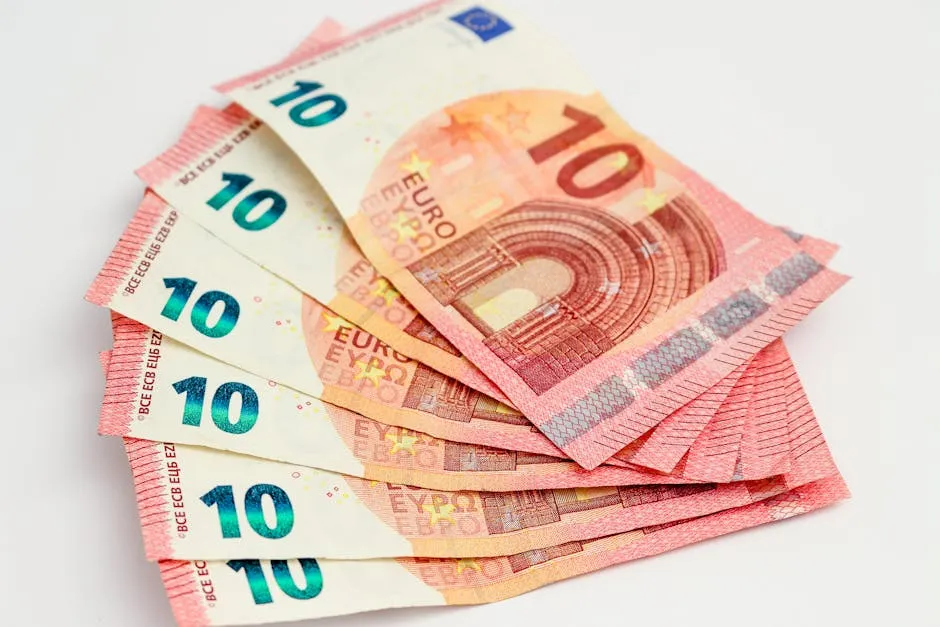
Germany Is Still a Cash Country
Even in 2026 Germany remains cash-heavy by Western European standards. The Bundesbank’s December 2025 study recorded 99.4% of physical outlets still accepting cash, and the federal government is only now drafting a law that would force businesses to offer at least one digital payment method.
For day-one arrivals, the experienced-traveller rule is to withdraw €100, 200 from a bank-branded ATM on landing (Sparkasse, Deutsche Bank, Commerzbank, Postbank. Avoid the Euronet tourist-trap kiosks in every station because they charge 8, 10% markups on the exchange rate).
Use a Wise or Revolut card for fee-free cash withdrawals up to monthly limits.
Where Cards Work — and Where They Don’t
Card acceptance is uneven. Big supermarkets, chain pharmacies, hotels, airports and DB ticket machines take Visa/Mastercard/Amex and contactless phone-wallet payments without fuss.
Bakeries (Bäckereien), döner/currywurst Imbiss stands, small family restaurants, neighbourhood Kneipen, market stalls and many museum ticket counters are either cash-only or Girocard-only. Girocard is Germany’s domestic debit system and foreign Visa debit cards won’t work on a Girocard-only terminal even if they’re physically accepted.
PayPal and Digital Wallets
PayPal is widely used for online checkouts and. Since PayPal rolled out contactless tap-to-pay in May 2025.
Increasingly in physical retail.
Pfand, Toilets, and Tipping
Budget separately for the unavoidable Pfand (deposits), Sanifair toilets and tipping. Pfand adds €0.08, €0.25 per bottle/can at the supermarket till.
You get it back via the reverse-vending machine inside the store. Station toilets via Sanifair now cost €1, with a €0.50 voucher returned that’s redeemable with a €2.50+ purchase.
Tipping is 5, 10% at sit-down restaurants, rounded up at cafes. And you tell the waiter the total when they bring the card machine, rather than leaving cash on the table.
At Oktoberfest and most Christmas markets, expect a Pfand of €3, 5 per Glühwein mug (keep the mug as a souvenir or return for cash), and assume cash-only at stalls even though big tents now take cards.
Oktoberfest and Christmas Markets
Oktoberfest-specific: Most beer tents accept debit cards but some are still cash-only, and food stalls and carnival rides strongly prefer cash. ATMs exist at festival entrances and inside the biggest tents but queues can be brutal on weekends.
Pull out €200, 300 before you arrive. Tipping the Bedienung 10, 15% is the norm when they bring your Maß (litre of beer), and saying the total amount as you hand over cash is the correct protocol.
Apps to Install Before You Land
| App | Why | Cost | Platform |
|---|---|---|---|
| DB Navigator | Official Deutsche Bahn app. Buys ICE/IC/regional tickets, holds your Deutschlandticket, shows live platform changes and seat reservations. Essential for any rail travel in Germany. | Free; tickets vary | iOS / Android |
| BVG Jelbi | Berlin’s multimodal super-app from BVG. One login for U-Bahn/S-Bahn tickets, e-scooters, bikes, car-sharing, mopeds and taxis. The default mobility app in the capital. | Free app; rides pay-as-you-go | iOS / Android |
| MVGO | Munich’s MVG mobility app. Buys U-Bahn/S-Bahn/tram/bus tickets across the MVV region, supports mobility-budget bookings for companies, integrates MVG Rad bikes. | Free; tickets from ~€4 single | iOS / Android |
| hvv switch | Hamburg’s multimodal app. HVV transit tickets plus MOIA ride-share, StadtRAD bikes, and car-sharing in a single checkout. Default for Hamburg visitors. | Free | iOS / Android |
| RMV app | Rhein-Main transit app covering Frankfurt, Wiesbaden, Mainz, Darmstadt. Best for regional connections around FRA airport and the Rhein-Main commuter belt. | Free; tickets vary | iOS / Android |
| FreeNow | Germany’s dominant taxi and ride-hail app. Works in Berlin, Munich, Hamburg, Frankfurt, Cologne, Stuttgart + most mid-size cities. Supports fixed-price bookings in major cities and credit-card payment. | Free app; rides metered | iOS / Android |
| Uber | Operates in Berlin, Munich, Frankfurt, Hamburg, Cologne, Stuttgart and Düsseldorf. Smaller network than FreeNow but useful as a fallback. UberPool does not exist in Germany. | Free app; rides metered | iOS / Android |
| Flink | Germany’s market-leading quick-commerce grocery app. 10, 15 minute delivery in Berlin, Munich, Hamburg, Frankfurt, Cologne, Düsseldorf, Leipzig and more. A lifesaver on Sundays when supermarkets are shut. | Delivery fee ~€1.80; minimum basket varies | iOS / Android |
| Getir (incl. Gorillas inventory) | Gorillas merged into Getir in 2024, 25, so Gorillas-brand stock is now ordered through the Getir app in Germany, Netherlands, France and UK. Ultra-fast grocery delivery, especially handy in central Berlin and Munich. | Delivery fee ~€1.80 | iOS / Android |
| PayPal | Widely accepted for online checkouts in Germany (DB tickets, restaurants, hotels) and since May 2025 also works as contactless tap-to-pay at participating physical merchants. Often more reliable than a foreign Visa. | Free; FX fees apply on conversions | iOS / Android / Web |
| Wise | Multi-currency account that issues a real EU IBAN. Essential if you want to pay for a Deutschlandticket subscription via SEPA direct debit without a German bank. Also gives cheap EUR conversions and a debit card for ATM pulls. | Free account; small FX fees | iOS / Android / Web |
| Revolut | Alternative to Wise. Issues an EU IBAN, free EUR transactions, virtual card for online-only payments. Useful for Deutschlandticket SEPA mandates and as a backup Visa if your primary card is declined. | Free tier available | iOS / Android / Web |
| Germany’s default messaging app. Hostels, tour guides, private-room hosts, even small businesses often prefer WhatsApp over email. Works over WiFi or your eSIM data. | Free | iOS / Android | |
| Google Translate / DeepL | Menus, AGBs and official forms are heavy on German. DeepL is considered more accurate than Google Translate for German<>English. Both have offline modes. Download German before you fly. | Free | iOS / Android |
How Much Data You Actually Need
The biggest mistake travellers make is underestimating the amount of data they need, then burning through a 1GB plan before lunch on day one. Here is what real activities consume per hour:
Data per hour by activity (lower is better)
| Profile | Activities | Per Day | Week Total | Suggested Plan |
|---|
Activating Your eSIM on Arrival
Every major German airport offers free WiFi, but with quirks that matter for eSIM activation. Berlin BER’s network is ‘Free Airport WiFi’ (sometimes shown as ‘_Free Airport WiFi’ or ‘Free Airport WiFi BER’).
No password, no registration, just agree to the terms. Munich MUC asks for an email address to open the portal for ‘Free Wifi , Munich Airport’.
Frankfurt FRA and Düsseldorf DUS offer free unlimited WiFi with SSIDs like ‘Airport-Frankfurt’ and ‘Duesseldorf Airport Free WiFi’; Hamburg HAM provides ‘HamburgAirport Free Wi-Fi.’ Once connected, activate your eSIM before you leave the terminal. Signal can be patchy on the S-Bahn into the city.
Coverage-wise, Opensignal’s November 2025 report confirms Telekom (Deutsche Telekom) wins Best Network for the third consecutive round, with 5G Download Speed of 173.8Mbps nationally, Vodafone second at 154.3Mbps, and O2/Telefónica third at 114.5Mbps (though O2 jumped to second place in connect’s 2025 test with a record 937/1000 score). For rural travel (Bavaria’s Alps, Black Forest, Mecklenburg coast), a Telekom-hosted eSIM is still the safest bet in 2026.
Deutsche Bahn’s onboard WiFi is free on every ICE and most IC trains via ‘WIFIonICE’ or ‘WIFI@DB’. no registration beyond accepting the terms.
But bandwidth drops hard in long tunnels and rural sections; don’t rely on it for video calls. Stations are slowly catching up: around 600 Bahnhöfe have free ‘WIFI@DB’ now, with another 820 planned by 2028.
Phone Numbers and SMS
Germany’s emergency numbers are 112 for fire/ambulance and 110 for police. Free from any phone, even locked ones, operators generally speak English. For non-emergency medical advice outside hours, dial 116 117.
For keeping US/UK/AU banking 2FA alive while on a German eSIM, run dual-SIM: home-country SIM in the physical slot for SMS TAN, German eSIM in the digital slot for data. If you’re using a German bank remotely, note that Deutsche Bank only accepts German mobile numbers for mobileTAN, and mobileTAN was shut down entirely on 25 August 2025 in favour of photoTAN and BestSign.
Both of which run over any data connection, so you no longer need a German SIM to authenticate. For banks that still require SMS 2FA to a home number abroad, the reliable workaround is a virtual number via Wise or Revolut (for voice/SMS on some plans) or a SMS-forwarding service like Google Voice set up before you leave.
WhatsApp and FaceTime work perfectly over any German eSIM data connection. Calls-home, Zoom meetings and photo uploads all have capacity to spare on Telekom 5G.
Where You Will Actually Use Your eSIM
- BerlinYour eSIM earns its keep from the moment you land at BER. Calling a Jelbi e-scooter out of the forecourt, buying a BVG ticket on your phone for the U2, and Googling which Späti near your Airbnb is open past midnight. Expect constant map use (Berlin is huge, U-Bahn transfers are common), translation lookups for the ubiquitous German-only menus in Neukölln and Kreuzberg, and data-heavy tasks like uploading photos from East Side Gallery and Museum Island. Freifunk covers some cafes and museums but it’s patchy. see the live Freifunk Berlin map. Your eSIM is the reliable default.
- MunichHeavy app use around the Hauptbahnhof and MUC airport, plus live ticketing through MVGO for the U-Bahn to Marienplatz. During Oktoberfest you’ll lean on WhatsApp group chats to find your tent-mates, Google Maps to escape the Wiesn crowds, and the official Oktoberfest app for tent reservations. Day trips out to Neuschwanstein or Tegernsee run on DB Navigator. Cell coverage is solid on Telekom 5G across Bavaria but patchy in Alpine valleys.
- HamburgNavigate the hvv switch app for U-Bahn, S-Bahn and harbour ferries (yes, your transit ticket includes the HADAG harbour ferries. Underrated use of data). FreeNow for taxis back from the Reeperbahn at 03:00. Hotel WiFi in the Speicherstadt warehouses is often thin because of the thick brick walls. Your eSIM bridges the gaps.
- FrankfurtThe business capital leans hard on DB Navigator because FRA has direct ICE trains across Germany. ICE WIFIonICE works but is inconsistent on high-speed stretches, so keep your eSIM data on. RMV app for city transit, FreeNow for Taunus suburb taxis, and PayPal/Apple Pay for most museum entries along the Museumsufer.
- Cologne/KölnConstant maps for navigating the pedestrianised Altstadt between the Dom, Hohenzollernbrücke and Rhine-side Brauhaus. FreeNow is strong here, Uber less so. If you’re visiting during Karneval, expect overwhelmed networks. O2 climbed to 2nd place in connect’s 2025 test after major capacity upgrades in NRW.
- DresdenSaxony’s capital is more card-averse than Berlin, so the combination of your eSIM plus a digital banking app (Wise/Revolut) to check balances and pull cash is the default. Map translations of Baroque building captions, uploads from the Frauenkirche, and a lot of DB Navigator for day trips to Sächsische Schweiz.
- Nuremberg/NürnbergHeavy translation use at the Nazi Documentation Centre and Germanisches Nationalmuseum (both German-heavy signage). Come December, Christkindlesmarkt. The most famous market in Germany. Will need your eSIM for Google Translate on Glühwein flavours, Apple/Google Pay at the main stalls, and photo uploads of the giant Frauenkirche clock.
- HeidelbergA day-trip destination from Frankfurt, reached by ICE or regional train. Expect heavy map use on the steep Old Town lanes, translation at the Schloss museum, and FreeNow for the funicular-to-Königstuhl alternatives when the Bergbahn is queued out.
- StuttgartCar-country with a heavy Porsche/Mercedes tourism pull. You’ll rely on eSIM data inside both museums (WiFi there is decent but registration-walled), plus DB Navigator for the S21 rebuild-affected commuter lines.
- Leipzig/Dresden corridor in the eastRail coverage is comprehensive but mobile signal is thinner than in the west. Confirming Telekom or Vodafone 5G on your eSIM pays off here more than in Munich. Use it for live reroute notifications on the increasingly unreliable east-German DB regional lines.
Best eSIM For Germany: My Verdict
After thoroughly comparing the list of the best options, eSIM4 is the best overall option. If you’re looking for something highly specific then the other brands will obviously be worth it but if you just want an eSIM that you can just download, install and then forget about then eSIM4 is the best option here. Here’s why eSIM4 is my top recommendation as the best Germany eSIM and the eSIM that works best for most people.
Why eSIM4 Is The Best eSIM For Germany
-
✓
Unbeatable Value: With plans starting at just $2.98, it offers the best entry pricing in the market.
-
✓
Vodafone Network: Direct access to one of Germany’s top networks ensures you have signal in both Berlin skyscrapers and rural Bavaria.
-
✓
Calls & SMS: The optional app solves the “data-only” problem, letting you communicate without roaming fees.
-
✓
24/7 Support: Critical for navigating any connectivity issues instantly.
When to Choose Other Providers
While eSIM4 is my top pick, there are specific scenarios where other best providers might suit your needs:
Maximum Security: Saily is the best choice if you want NordVPN-backed security features.
Budget: Jetpac is ideal for the absolute lowest entry price ($1.00).
Unlimited Data: If a provider doesn’t offer unlimited data plans that suit your needs, consider a Holafly eSIM which specializes in unlimited data esims, though budget allows.
However, for the vast majority of travelers planning a trip to Germany, eSIM4 offers the perfect balance of affordability, reliability, and coverage. It provides the best way to stay connected so you can buy the best eSIM with confidence.
Get eSIM4 For Germany →How To Make Calls With eSIM4 In Germany

Most travel eSIMs provide data-only plans. However, eSIM4 offers a dedicated solution called Yabb (or similar app integrations) to bridge this gap. You should install calling apps before your trip to ensure your phone to connect with locals.
Using an app over your eSIM data connection allows you to:
Calling Features
- Clear Call Quality: Use your robust Vodafone data connection for VoIP calls.
- Call Anywhere: Call home or local numbers without roaming rates.
- VoIP Ready: Apps like FaceTime Audio and WhatsApp Call work seamlessly.
How To Send Text Messages With eSIM4 In Germany
Being able to communicate with friends and family while abroad is essential and Yabb allows you to stay connected no matter where you are in the world!
- Pay As You Go: Purchase different texting packs as you need them.
- Group text messages: Update everyone on your trip at once.
- Text anyone, anywhere: Send text messages to 200+ countries.
Benefits of Using an eSIM In Germany?
Using an eSIM while visiting Germany offers distinct advantages that can noticeably enhance your travel experience. Here is why making the switch makes sense:
- Digital Flexibility: One of the biggest perks is the ability to manage connections digitally. You can switch between networks or adapt your data plan instantly without needing to hunt for a physical sim card ejector tool or a store. This is ideal for multi-country trips where you might need to change regions quickly.
- Immediate Convenience: The convenience factor is unmatched. You can configure your plan from your living room before you even pack your bags. This means you have data access the moment you land, avoiding airport queues and language barriers at local kiosks.
- Significant Cost Reduction: Traditional carrier roaming can be shockingly expensive, with daily fees stacking up quickly. In contrast, local eSIM providers offer rates that are competitive with local market prices, potentially saving you a significant amount of money over the course of your trip.
- Enhanced Security: Because the SIM is embedded directly into your phone’s hardware, it cannot be physically removed or lost like a plastic physical sim. This adds a layer of security; if your phone is lost, the connectivity remains with the device, which may assist in tracking it.
- Transparent Pricing vs. Roaming: When you compare the two directly, eSIMs win on value. Roaming often involves unpredictable charges for data, calls, and texts. ESIM plans are typically prepaid, giving you full control over your budget with no surprise bills waiting for you at home.
Does My Phone Support an eSIM?
Since not all smartphones support eSIM technology, verifying your device’s compatibility is crucial before purchasing a plan.
eSIM Compatibility on iPhone
Most modern iPhones support eSIM, starting with models released in 2018 (iPhone XS, XS Max, XR). To check, go to Settings > General > About and scroll down to look for an EID number.
eSIM Compatibility on Samsung
Most recent Samsung flagships (Galaxy S20 and newer) support eSIM. Check Settings > Connections > SIM Card Manager to confirm.
Note: Ensure your device is carrier-unlocked before traveling.
Step-by-Step Activation Guide for eSIM4.com
Getting started with your eSIM plan is simple. Do this on a stable Wi-Fi connection before you leave home. This is everything you need to know to get online whenever you need.
Purchase
Choose the data plan that fits your trip on the website. Complete your purchase securely to receive your details immediately.
Install via QR
Check your email for a QR code. Go to Settings > Cellular > Add eSIM and scan the code with your camera.
Activate
When you land in Germany, go to Settings, select your new eSIM line, and ensure Data Roaming is ON. Now you can use data and Google Maps with ease.
Here are some extra travel tips: Always activate your plan when you land, not before, to maximize your validity period.
Traveller Tips for Traveling in Germany with an eSIM
The Best eSIM Providers for Travel to Germany in 2026
How Travellers Rate Germany’s eSIM Providers
We read every travel blog, every Reddit thread, and every travel blogger review we could find from people who have used Saily, Holafly, Nomad, and eSIM4 on a recent trip to Germany. The feedback is consistent. The esim data plan handed off the moment they landed, the mobile data plan held up on daily plans around Munich and Berlin, and the regional plans worked when they crossed into Austria. For travellers visiting Germany for the first time, the guide to the best eSIM providers usually starts with price-per-GB then moves to network reliability.
Buy Before You Fly — Not at the Airport
One key piece of advice from every country I visited: buy eSIM plans before you leave, not at the airport. A prepaid eSIM data plan activates in seconds; a physical SIM swap at the Flughafen can take 40 minutes. If you need a plan for Germany plus one extra stop, a best esim for europe regional plan from eSIM4, Saily, or Nomad covers you without data roaming fees. You can manage your eSIMs inside the mobile app, and the eSIM also allows you to keep your home number active for SMS.
Data Allowances: How Much Do You Actually Need?
For people running out of data on a long trip, every provider offers a top-up. You do not need to know about using complicated settings: arrive at your destination, the eSIM attaches to the local network, and you are online. For a 15 GB data plan, expect to cover about 10 days of moderate phone-when-traveling use. For unlimited plans, you can burn through a lot of video and maps without throttling. If a page you read says they earn a small commission from affiliate links, that is standard in this space, and it does not change the price you pay when you use data in Germany.
Which App and Which Phone Work Best
Some bloggers who have used Saily across every country I visited say the travel blog sidebar app is the cleanest, while others prefer Nomad’s in-app data tracker. Holafly plans come with unlimited hotspot for most tiers, which is a great choice for digital nomads. eSIM compatible phones include every iPhone from XS onward and most Android flagships from 2022 forward. The esim can be used for data, hotspot, and WhatsApp calls on every provider. For travellers crossing Germany without a second phone, the eSIM also allows the home SIM to stay on for 2FA.
Regional Plans vs Germany-Only eSIM
Plans that offer international coverage such as the Orange Holiday Europe esim are a decent fallback if you already hold one, but per-GB pricing in 2026 favours the eSIM4 prepaid esim data plans catalog for Germany alone. Whenever you need more data, top up inside the app. For everything you need to know about using a Germany eSIM, check the provider-specific card above.
Germany eSIM Plan Breakdown: Prepay Data Plan vs Unlimited Data Plan vs Holafly eSIM
Guide to the Best Prepaid eSIM Data Plans for Germany
Picking the right esim plan for Germany comes down to three choices. A prepay data plan from eSIM4 or Saily gives you pay-as-you-go flexibility. An unlimited data plan from Holafly or Nomad removes the data-cap anxiety for heavy users. A regional data roaming plan covers Germany plus neighbouring countries on one profile.
A prepay eSIM plan starts cheapest. The eSIM4 1 GB data plan is $2.98, the Saily 1 GB data plan is $4.49, and the Holafly unlimited 1-day esim plan starts around $6.90. If you only roam for a weekend, prepay wins. If you roam through Germany for two weeks on video calls, the Holafly unlimited data plan or eSIM4 unlimited data plan often works out cheaper per day than a prepay top-up ladder.
Holafly sells the widest catalog of unlimited esim plans in Europe, but Holafly does not include a data-roaming-free local phone number on its Germany esim plan. If you want to roam across Germany, Austria, and Switzerland on one Holafly eSIM, the regional plan adds a daily data roaming surcharge. eSIM4 includes data roaming inside its regional Europe esim plan without a daily uplift, which is why we rank it ahead of Holafly for multi-country trips.
For data roaming-heavy users running through a lot of data per day, the eSIM4 unlimited esim plan is the pick. For a mid-size Germany data plan, the eSIM4 5 GB or 10 GB esim plan is the sweet spot. For travellers who just want to prepay once and roam lightly, a 1 GB or 3 GB prepay data plan from Saily or Airalo is enough.
Frequently Asked Questions About eSIMs for Germany
Is eSIM available in Germany?
Yes, Germany fully supports eSIM technology. Major carriers like Deutsche Telekom, Vodafone, and O2 support it, and international providers like eSIM4 and Saily offer excellent prepaid plans.
Which is the best eSIM provider for Germany?
eSIM4 is the top-rated provider due to its affordable pricing ($2.98/week) and partnership with Vodafone, which offers the best nationwide coverage.
Does Vodafone support eSIM in Germany?
Yes. Vodafone supports eSIM. Using a provider like eSIM4 allows you to access the Vodafone network without needing a long-term contract or physical store visit.
How much is eSIM in Germany?
Prices depend on data amount. A 1GB plan for 7 days typically costs around $2.98, $4.50. Larger plans, like 10GB for 30 days, usually cost between $14, $22 depending on the provider.
Can I Buy eSIM Plans Before I Travel to Germany?
Yes. You can buy an eSIM for Germany online from your home country and install it before you arrive at your destination. When you land at Frankfurt, Munich, or Berlin and take the phone off airplane mode, the eSIM attaches to the local network automatically. This is the easiest way to stay connected the moment the plane touches down, and it works whether you are travelling in Germany for a weekend or a month.
What Is the Best eSIM for Europe Regional Plans Covering Germany, Austria, Spain, and Switzerland?
For a multi-country trip, the best eSIM for Europe is a regional plan that covers all Schengen countries on one eSIM. eSIM4 and Saily both sell regional Europe plans that include Germany, Austria, Spain, France, and Switzerland on a single profile. Jetpac and Nomad also offer international coverage across the continent. A regional plan is a better choice than buying one prepaid eSIM data plan per country when you hop borders. For trips outside Europe, like to the United States, United Kingdom, Japan, Australia, or Orange UK coverage areas, you can manage your eSIMs inside the same mobile app.
Will a Germany eSIM Support WhatsApp, Google Maps, Tethering, and Dual SIM on My Smartphone?
Yes. Every eSIM provider on this list supports WhatsApp calls, Google Maps, and tethering (also called Wi-Fi hotspot or mobile broadband) on your smartphone. A dual SIM setup lets you keep your home phone number active for SMS 2FA while the new eSIM handles data usage. If you run low on data, top-up links inside the mobile app let you add more gigabytes without swapping profiles.
Is Holafly eSIM a Reliable eSIM for Germany and How Do Holafly Unlimited Data Plans Compare?
Holafly offers unlimited data plans and has strong customer support, but Holafly eSIM plans cost more per day than prepay options like eSIM4 or Saily. If you need a lot of data and want peace of mind on unlimited plans, Holafly is a great choice. If you want to prepay a smaller plan with high-speed data for 30 days and avoid roaming charges, eSIM4 or Saily esim is the better value. The Nord Security team behind Saily also bundles their NordVPN virtual private network on some tiers.
Do I Need a Physical SIM Card or Copy of Your Passport to Activate an eSIM Service?
No. A Germany eSIM service does not require a physical SIM, a physical SIM card, or a copy of your passport. You scan the QR code from your email, the profile installs, and you have great coverage on a reliable eSIM the moment you arrive. There is no Sim Local kiosk queue, no SIM swap, and no prepaid mobile phone registration. Every country I visited with an eSIM handled activation the same way, which is part of why eSIM comparison guides and most travel blog posts now recommend eSIMs over a traditional O2 Go card or similar physical plan.
Where Do I Buy eSIM Plans and How Do I Pick a Mobile Data Plan for Germany?
You buy eSIM plans directly from the provider’s website or mobile app. The eSIM can be used the moment you receive the QR code by email. A good plan for Germany covers the number of days you’re in country, the gigabyte allowance you’ll burn on maps and streaming, and any extra countries within Europe you plan to visit. Travellers who have used Saily or eSIM4 before often rebuy the same regional profile. If you need information on a specific prepaid eSIM data plans catalog, every provider lists their current Germany tiers with per-day and per-gigabyte pricing. Some affiliate comparison sites earn a small commission when readers click through, but it does not change the price you pay.
What if I Am Running Out of Data or the eSIM Drops When Traveling in Germany?
If you are running out of data, top up from inside the provider app or buy a second plan on top. Restart your phone when traveling between cities if the eSIM does not hand off to the new tower automatically. For voice, WhatsApp and FaceTime handle most needs, and for a real telephone call on a German number, the eSIM4 add-on gives you a local telephone line plus SMS. You can always keep your home SIM active for 2FA texts and use the eSIM for data. The plan does not roam onto higher-tariff carriers, and you will not roam into a surprise bill the way a physical SIM can.
How Much Mobile Data in Germany Do I Actually Need on a Daily Plan?
Most travellers use 0.5 to 1.5 GB of data per day in Germany, which means a 15 GB data plan covers a 10 to 14 day trip. Daily plans suit heavy streaming, regional plans suit border hops, and long-stay plans suit digital nomads. If you burn through a lot of data on video calls, pick unlimited data plans for 30 days. Everything you need to know about using a Germany eSIM fits in the provider cards above, with plans for every country travellers commonly pair with Germany.
About the author: Peter Moore
eSIM Content Writer at eSIM4
Peter Moore has spent more than seven years in telecommunications marketing, working across mobile apps, SMS services, international calling, and eSIM technology. He now writes about eSIMs and travel connectivity full-time, sharing what he’s learned to help travellers cut through provider marketing and pick what actually works.
