












eSIM Middle East & North Africa
Best eSIM for Middle East and North Africa
Jan
Discover top-rated eSIM providers for the Middle East and North Africa. Compare data plans from eSIM4, Saily, and Airalo to stay connected across the region without the hassle of roaming fees.
 Written by Peter Moore, eSIM Content Writer
Our Top Recommendation: Best eSIM for Middle East

Tired of hunting for a local SIM or dealing with expensive roaming charges? An eSIM for Middle East and North Africa is the modern solution for international travel.
For travelers exploring the diverse landscapes of East and North Africa travel, eSIM4 stands out as the superior choice. Offering exceptional value with data plans starting at just $5.98, it provides robust connectivity whether you are visiting the bustling markets of Cairo, the futuristic skyline of Dubai, or the historic sites of Jordan.
With instant activation via QR code and reliable regional coverage, it simplifies staying connected across borders without the need for multiple physical SIM cards.
Why eSIM4 Wins
- Proven Reliability: Trusted by over 100,000 international travelers.
- Seamless Connectivity: Auto-connects to local networks upon arrival.
- Comprehensive Customer Support: 24/7 assistance whenever you need it.
- Full Communication: Optional mobile app allows for calls and SMS without roaming fees.
Quick Comparison: Top eSIMs for Middle East and North Africa
Compare the top rated eSIM providers for the MENA region. We analyzed options from Saily, Airalo, Jetpac, and others to find the best balance of price, coverage, and reliability.
Avoid the hassle of a physical SIM card and prepay for your data plan before you fly. This chart highlights our top picks for staying online during your trip.
| Rank | Provider | Rating | Starting Price | Best For |
|---|---|---|---|---|
| 1 | ⭐ eSIM4 | 4.9/5 | $5.98 | Overall Value & Coverage |
| 2 | Saily | 4.6/5 | $7.49 | Secure Connections |
| 3 | Airalo | 4.5/5 | $7.50 | Regional Options |
| 4 | Jetpac | 4.4/5 | $4.00 | Budget Travelers |
| 5 | Nomad | 4.3/5 | $9.00 | User Experience |
| 6 | Roamless | 4.2/5 | $7.45 | Pay-As-You-Go |
How to Choose the Right eSIM Data Plan for MENA
Traveling through the Middle East and North Africa involves crossing borders with varying telecommunication infrastructures. Before purchasing a plan to avoid expensive roaming fees, consider these critical factors to ensure you have consistent mobile data coverage throughout your journey.
| Factor | Details | Why It Matters |
|---|---|---|
| Regional Coverage | Confirm the plan covers all countries on your itinerary, from Morocco to UAE. | Not all regional plans include every country. Verify specific lists to avoid losing signal when crossing borders. |
| VoIP Restrictions | Be aware that apps like WhatsApp Calling or FaceTime may be restricted in countries like the UAE. | You might need a provider that offers alternative calling solutions or works well with VPNs for voice communication. |
| Data Needs | Assess your data consumption, especially for maps and navigation in remote areas. | Desert safaris and remote historical sites may require heavy map usage. Ensure you have a sufficient data allowance or a top-up option. |
| Validity Period | Check if the plan duration matches your entire trip length. | Buying a 30-day plan is more cost-effective for longer trips than renewing multiple short-term 7-day packages. |
Top eSIM Providers
Detailed reviews with verified pricing and carrier-specific notes.
eSIM4
Best for MENA Region Coverage

eSIM4 is the clearest choice for travellers moving across multiple MENA countries on one trip. A single regional plan covers UAE, Saudi Arabia, Egypt, Morocco, Jordan, Qatar, Oman, Tunisia, and a dozen more destinations. You buy once, auto-connect on landing, and never re-buy when you cross a border.
Coverage
eSIM4 hooks you into e& (formerly Etisalat) in the UAE for 5G speeds across Dubai and Abu Dhabi, STC in Saudi Arabia for 4G/5G in Riyadh and Jeddah, and Vodafone Egypt for 4G across Cairo, Sharm El Sheikh, and Luxor. Smaller stops like Amman and Muscat land on Zain and Omantel respectively with solid 4G. Expect 50-200 Mbps in city centres and 10-50 Mbps in resort areas.
Activation Process
Download the QR code email before you fly, then install via Settings > Cellular > Add eSIM on iPhone or Settings > Network > SIMs on Android. The profile sits dormant until you land and toggle it on. Label it ‘MENA’ in your phone settings so switching back to your home SIM is one tap, not a menu hunt.
Price
MENA regional plans start at $5.98 for 1 GB (7 days) up to $35.98 for 10 GB (30 days). That beats airport kiosk SIMs in Dubai (usually AED 75-150, around $20-40) and is 50-60% cheaper than standard roaming charges from most US and European carriers.
Data Plans
| Data | Duration | Price | Savings |
|---|---|---|---|
| 1GB | 7 Days | $13.50 $5.98 | Save $7.52 |
| 2GB | 15 Days | $19.80 $9.98 | Save $9.82 |
| 3GB | 30 Days | $25.20 $12.98 | Save $12.22 |
| 5GB | 30 Days | $34.20 $18.98 | Save $15.22 |
| 10GB | 30 Days | $57.60 $35.98 | Save $21.62 |
Pros
- One plan covers 15+ MENA countries including UAE, Saudi Arabia, Egypt, Morocco, and Jordan
- Auto-connects to the strongest local network on landing, no manual APN fiddling
- Optional Yabb app adds voice calls and a routable phone number for 2FA
- Widest plan range in the region: 1 GB short-stay to 10 GB long-stay
- 24/7 support via email, chat, and WhatsApp around the clock
Cons
- Yabb app (needed for calls and SMS) is a separate paid install on top of the data plan

Saily
Clean App, Decent UAE Prices
Saily (from the makers of NordVPN) is a well-designed eSIM app with competitive UAE pricing and a clean top-up flow. It does not offer a MENA-wide regional plan, so travellers hitting multiple countries need a separate Saily plan per destination. Fine if Dubai is your only stop.
Coverage
In the UAE, Saily routes through e& (formerly Etisalat) and du, giving you 5G across Downtown Dubai, Dubai Marina, and Abu Dhabi Corniche. Speeds in our tests ran 80-180 Mbps on 5G and 20-60 Mbps on 4G LTE in less dense areas. No 5G outside the UAE on Saily’s current MENA country plans.
Activation Process
Install the Saily app, scan the QR code, and the eSIM profile lands on your phone. The app shows a live data meter, which is useful in the UAE where plan caps are strict. Activation typically takes under 3 minutes on iOS; Android setup adds one extra network permission step.
Price
Saily UAE plans open at $3.99 for 1 GB (7 days) and scale to $16.99 for 10 GB (30 days). Reasonable for UAE-only travel but no bundle discount if you add Egypt or Saudi Arabia separately.
Data Plans
| Data | Duration | Price |
|---|---|---|
| 1GB | 7 Days | $3.99 |
| 3GB | 30 Days | $8.99 |
| 5GB | 30 Days | $11.99 |
| 10GB | 30 Days | $19.99 |
| 20GB | 30 Days | $33.99 |
| Unlimited | 15 Days | $48.99 |
Pros
- Polished app with live data usage meter
- Solid 5G speeds in Dubai and Abu Dhabi via e& and du
- No subscription, pay-as-you-go per trip
Cons
- No MENA-wide regional plan. Multi-country trips require separate purchases
- Plans top out at 10 GB with no unlimited option for heavy users

Nomad
Flexible Plans, Multiple MENA Countries
Nomad offers individual country plans across the MENA region and a reasonably intuitive web and app interface. It covers UAE, Saudi Arabia, Egypt, Jordan, Morocco, and more as separate purchases. A solid backup option if eSIM4’s regional plan is sold out, but no single MENA bundle.
Coverage
UAE coverage runs on e& with good 4G/5G density across the seven emirates. In Saudi Arabia, Nomad uses Zain for 4G in Riyadh and Jeddah and MVNO coverage in Mecca and Medina (useful for Hajj and Umrah travellers). Egypt routes through Orange Egypt with patchy but functional 4G outside central Cairo.
Activation Process
Nomad delivers QR codes instantly after purchase. IOS users: Settings > Cellular > Add eSIM > Use QR Code. The eSIM activates within 60 seconds in most UAE and Saudi locations. Nomad does not require an app post-setup; the QR is the only activation step.
Price
UAE plans start at $4.00 for 1 GB (7 days). A 3 GB 30-day plan costs $8.50. Good value for a week in Dubai. Separate Saudi Arabia plans run slightly higher, around $5.00 for 1 GB, reflecting STC’s carrier fees.
Data Plans
| Data | Duration | Price |
|---|---|---|
| 1GB | 7 Days | $4.00 |
| 3GB | 30 Days | $8.50 |
| 5GB | 30 Days | $11.00 |
| 10GB | 30 Days | $18.50 |
| 20GB | 30 Days | $29.00 |
| Unlimited | 3 Days | $18.00 |
| Unlimited | 5 Days | $28.00 |
| Unlimited | 7 Days | $38.00 |
| Unlimited | 10 Days | $48.00 |
Pros
- Covers most popular MENA destinations with individual country plans
- No app required after activation. Purely SIM-based connectivity
- Responsive support and clear refund policy
Cons
- No single MENA bundle. Multi-country trips mean multiple purchases and QR scans
- Data caps are lower than eSIM4 at comparable price points

Jetpac
Hotspot Sharing Included

Jetpac’s standout feature is Wi-Fi hotspot sharing included on every plan at no extra charge, which makes it a practical choice for MENA business travellers sharing data with a laptop or tablet. Coverage is UAE-focused; MENA country range is thinner than eSIM4 or Nomad.
Coverage
Jetpac runs on e& and du in the UAE, delivering reliable 4G across Dubai DIFC, Abu Dhabi city, and Sharjah. Outside the UAE, Jetpac’s MENA footprint is limited mostly to Jordan and a few Gulf states. Egypt and Morocco are not listed in the current Jetpac destination catalogue.
Activation Process
Buy through the Jetpac app, receive a QR code, install via the standard iOS or Android eSIM path. The app includes a data tracker and a Wi-Fi sharing toggle that turns your phone into a portable router without any extra settings. Activation in the UAE is near-instant on e& 5G.
Price
UAE plans open at $4.00 for 1 GB (4 days) up to $25.00 for 10 GB (30 days). Hotspot is included at no surcharge, which represents real value for business travellers who would otherwise pay $5-10 extra on other providers for tethering.
Data Plans
| Data | Duration | Price |
|---|---|---|
| 1GB | 4 Days | $4.00 |
| 3GB | 7 Days | $9.00 |
| 5GB | 30 Days | $12.00 |
| 10GB | 30 Days | $20.00 |
| 15GB | 30 Days | $50.00 |
| 20GB | 30 Days | $33.99 |
Pros
- Wi-Fi hotspot sharing included on every plan, great for laptops and tablets
- Fast e& 5G coverage across central Dubai and Abu Dhabi
- Clean app with real-time data tracking
Cons
- Thin MENA country catalogue. Egypt, Morocco, and Tunisia not covered
- Short 4-day minimum on entry plans, which can penalise longer stays

GigSky
Apple Watch eSIM Compatible

GigSky is one of the few eSIM providers that works natively with Apple Watch cellular, making it a niche pick for MENA travellers who rely on their watch for navigation and quick messages in the UAE. Data plan range is limited and prices are not the most competitive.
Coverage
GigSky covers UAE on e&, giving you solid 4G across Dubai and Abu Dhabi. In Saudi Arabia and Egypt it roams on local partners but without the 5G speeds that front-line providers offer. Morocco and Jordan are listed as supported destinations but real-world speeds lag behind Saily and Nomad in our comparisons.
Activation Process
GigSky activates entirely through the GigSky app with no QR code scan required. A minor convenience on iOS but no different from QR-based setup in practice. Apple Watch pairing happens through the Watch app on iPhone once the phone eSIM is active.
Price
UAE plans start at $3.99 for 1 GB (15 days) but jump sharply to $12.99 for 3 GB. The price gap between tiers is less competitive than eSIM4 or Nomad’s per-GB rates. Worth it only if you specifically need Apple Watch cellular.
Data Plans
| Data | Duration | Price |
|---|---|---|
| 1GB | 15 Days | $3.99 |
| 3GB | 15 Days | $7.64 |
| 5GB | 30 Days | $12.74 |
| 10GB | 30 Days | $22.94 |
Pros
- One of the only eSIMs that supports Apple Watch cellular in the UAE
- Covers the main MENA tourist hubs via local roaming partners
- App-based activation without needing a QR code
Cons
- Above-average price per GB compared to eSIM4 and Nomad
- Limited plan range with large price jumps between tiers

aloSIM
Budget-Friendly MENA Option

aloSIM is a budget-leaning eSIM provider with straightforward pricing and country-by-country plans across the UAE, Egypt, Saudi Arabia, and Morocco. It lacks the regional bundle of eSIM4 but works well as a single-country pick if you want to save a dollar or two versus the main providers.
Coverage
UAE coverage runs on e& for decent 4G in Dubai and Abu Dhabi. In Egypt, aloSIM patches into Orange Egypt for 4G in Cairo and Hurghada resort areas.
Saudi Arabia coverage is functional in Riyadh and Jeddah on partner networks. Speed consistency is slightly below Saily and Nomad in peak tourist zones.
Activation Process
Standard QR code delivery via email after purchase. Install using Settings > Cellular on iPhone or the Android SIM manager. AloSIM’s plan activates on landing in the UAE or Egypt. You do not need to switch it on manually, it triggers on first data use.
Price
UAE plans start at $4.50 for 1 GB (7 days), slightly above Saily’s entry price. The 5 GB 30-day plan at around $12.00 is where aloSIM becomes competitive, undercutting Airalo and Roamless at that tier. Best value in the 3-5 GB mid-range.
Data Plans
| Data | Duration | Price |
|---|---|---|
| 1GB | 7 Days | $4.50 |
| 2GB | 15 Days | $7.00 |
| 3GB | 30 Days | $9.00 |
| 5GB | 30 Days | $13.00 |
| 10GB | 30 Days | $20.00 |
| 20GB | 30 Days | $34.00 |
Pros
- Competitive pricing in the 3-5 GB mid-range, undercuts Airalo and Roamless
- Works across UAE, Egypt, Saudi Arabia, and Morocco as separate country plans
- Simple purchase flow, no app required after QR activation
Cons
- No MENA regional bundle. Each country is a separate purchase
- App and customer support less polished than Saily or Nomad

Airalo
Largest MENA Country Library

Airalo is the biggest eSIM marketplace in the world and covers more MENA destinations than any other single provider. If you are visiting an off-the-beaten-path MENA country that eSIM4 does not bundle, Airalo is where to check next. It also offers a Middle East regional pack, though at higher per-GB prices than eSIM4’s MENA plans.
Coverage
UAE runs on e& with strong 4G/5G across all seven emirates. Saudi Arabia uses Zain or Mobily for 4G in major cities.
Egypt connects through Vodafone Egypt for 4G in Cairo, Luxor, and Sharm El Sheikh. Airalo also lists Jordan, Kuwait, Bahrain, Oman, Morocco, and Tunisia with 4G on local partners.
Activation Process
Buy through the Airalo app or website, scan the QR code to install. The app shows data balance in real time and supports top-ups without a new QR.
Install before you leave home on Wi-Fi. QR activation inside Dubai Airport works on airport Wi-Fi but the process is smoother at home.
Price
UAE plans start at $4.00 for 1 GB (3 days) and reach $32.00 for 20 GB (30 days). Airalo’s MENA regional pack is pricier per GB than eSIM4’s equivalent. Country-by-country pricing is competitive for short UAE stays (1-5 GB range), less so beyond that.
Data Plans
| Data | Duration | Price |
|---|---|---|
| 1GB | 3 Days | $4.00 |
| 3GB | 3 Days | $8.50 |
| 3GB | 7 Days | $9.00 |
| 5GB | 7 Days | $11.00 |
| 5GB | 15 Days | $11.50 |
| 5GB | 30 Days | $12.00 |
| 10GB | 7 Days | $18.50 |
| 10GB | 15 Days | $19.00 |
| 10GB | 30 Days | $20.00 |
| 20GB | 15 Days | $33.00 |
| 20GB | 30 Days | $34.00 |
Pros
- Largest MENA destination library. Covers Kuwait, Bahrain, and Libya that others skip
- App includes real-time balance and easy top-up without a new QR
- Regional Middle East pack available for multi-country travel
Cons
- MENA regional pack costs more per GB than eSIM4’s equivalent regional plan
- 3-day minimum on cheapest UAE plan makes it poor value for week-plus stays

Roamless
Pay-Per-MB Flex Billing
Roamless bills by the megabyte rather than selling fixed-size plans, which sounds appealing but works out more expensive than eSIM4 for any trip longer than a weekend. It is genuinely useful for MENA layover travellers who need a few hundred MB at Dubai Airport and nothing else.
Coverage
UAE coverage is solid on e& with 4G across Dubai International, Abu Dhabi, and Sharjah. MENA roaming extends to Saudi Arabia, Egypt, Jordan, and Morocco on local partner networks. Speed caps at 4G LTE; no 5G on Roamless’s MENA roaming agreements as of 2026.
Activation Process
Roamless works as a single eSIM that you top up with credit. Install once via QR, then add credit in-app as needed. The app shows per-MB consumption which is useful for data discipline but stressful if you forget to top up mid-navigation in Cairo.
Price
Entry top-up starts at $5.95 for 1 GB (30 days) in the UAE. Data drains at a per-MB rate, so heavy users (video calls, maps, social media) will burn through credit faster than a fixed plan. For a 7-day UAE trip with moderate use, budget $12-18 versus $5.98 on eSIM4.
Data Plans
| Data | Duration | Price |
|---|---|---|
| 1GB | 30 Days | $5.95 |
| 2GB | 30 Days | $11.45 |
| 3GB | 30 Days | $16.95 |
| 5GB | 30 Days | $27.95 |
| 10GB | 30 Days | $49.95 |
Pros
- No plan expiry anxiety. Credit rolls over until you use it
- Works as one eSIM across the entire MENA region with no plan swaps
- Ideal for layovers and short stopovers where a fixed plan wastes data
Cons
- Pay-per-MB billing is more expensive than fixed plans for typical 5-10 day trips
- No 5G on MENA roaming partners, capped at 4G LTE speeds
Before You Fly to The Middle East and North Africa: What You Need to Know
The pricing comparison above tells you which eSIM to buy. This part tells you how to actually use it once you land. And the things first-time visitors consistently get wrong.
Researched and verified against live sources. Every non-obvious claim links to its primary source.
WhatsApp Calls Are Blocked in Dubai. Here Is Your Legal Fix
Every visitor to the UAE hits the same wall: you land at DXB, open WhatsApp to call home, and the call never connects. WhatsApp voice and video calls are blocked across all seven UAE emirates in 2026, including for tourists.
FaceTime and Skype are blocked for the same reason: all three use VoIP, which is tightly regulated by the TDRA (Telecommunications and Digital Government Regulatory Authority). Only apps officially partnered with licensed operators e& (Etisalat) and du can offer internet calls legally.
The practical fix is BOTIM, a TDRA-approved app that costs roughly AED 50 (~USD 14) per month. Download it before you leave home, so your family can install it too.
Text messaging on WhatsApp works fine throughout the UAE.
Saudi Arabia WhatsApp Calls Work. But VoIP Rules Are Still Complicated
Unlike the UAE, Saudi Arabia did take steps to remove VoIP bans as part of its Vision 2030 push to attract international business. WhatsApp voice and video calls generally work in Saudi Arabia in 2025-2026, though connection quality can vary by carrier and region.
The kingdom still restricts some services and uses content filtering on certain political or religious material, but for typical tourist communications, WhatsApp is your main tool. Apps like Careem, Uber, and the Darb transit app work freely on Saudi networks with no VoIP complications.
Download them before arrival to avoid juggling app installs when you land in Riyadh or Jeddah.
Egypt Has a New Phone Tax. Here Is How eSIM Travelers Avoid It
Since late 2024, Egypt’s NTRA (National Telecom Regulatory Authority) requires foreign phones that use local Egyptian SIM cards to be registered and potentially taxed. If your IMEI is flagged, you have a 90-day grace period to register via the Egyptian Customs Authority Telephony app, but the process is bureaucratic.
Travelers using an international eSIM sidestep this entirely: because eSIM-only devices do not insert a local Egyptian SIM card into a foreign handset, the NTRA device registration requirement does not apply. If you do buy a local SIM in Cairo, bring your passport, as Egyptian regulations require a valid passport scan for every SIM purchase.
Forget Cash in Dubai Malls. Bring Your Phone Instead
Dubai is one of the most contactless-payment-ready cities in the world. Proximity payments captured 67.3% of UAE mobile payments in 2025, reinforced by widespread NFC terminals across all major malls, restaurants, and petrol stations.
Apple Pay and Google Wallet work at virtually every point of sale in Dubai Mall, Mall of the Emirates, and every supermarket chain. The NOL card for the Metro is a contactless chip card that you tap at every gate.
Where you will still need cash is in the older souks: Deira Gold Souk, Spice Souk, and local budget restaurants in Bur Dubai rarely accept cards. Withdraw AED from any Emirates NBD or ENBD ATM at the airport on arrival.
Egypt Still Runs on Cash. Here Is How Much to Carry
Despite InstaPay and digital wallets growing rapidly since 2022, Egypt’s street economy is heavily cash-based for tourists. Local restaurants outside tourist areas, felucca boat rides, baksheesh (small tips expected everywhere from toilet attendants to museum guards), and petit taxis all require Egyptian pounds in small denominations.
The ‘”Mafeesh Fakkah”‘ (no change) tactic is almost universal: taxi drivers will claim they cannot break a 200 EGP note for a 70 EGP fare. Break large bills at hotel receptions and supermarkets immediately.
Carry a mix of 10, 20, and 50 EGP notes at all times. Vodafone Cash and Fawry QR codes are increasingly visible at corner shops, but they are designed for Egyptian phone number holders, not international tourists.
Morocco Has No Uber. Grand Taxis Are the Local Secret
Uber does not currently operate in Morocco, having exited after a brief 2015 stint in Casablanca due to regulatory issues. In cities, color-coded petit taxis (metered, three passengers maximum) cover short journeys.
Between cities, grand taxis are the local institution: shared Mercedes or Dacia sedans that depart when full with six passengers along fixed routes. Marrakech to Essaouira by grand taxi costs around 80 MAD per seat (~USD 8).
Haggling is expected if you charter the whole taxi for yourself. For medina navigation in Marrakech and Fes, forget apps entirely: Google Maps is unreliable inside the labyrinthine old towns, and WhatsApp to your riad host is how most travelers navigate the final stretch to their accommodation.
Saudi Arabia Cash vs. STC Pay: What You Actually Need
Saudi Arabia has moved heavily toward digital payments, with Mada (the national debit card system) accepted at virtually every supermarket, restaurant, and mall across Riyadh and Jeddah. Apple Pay works widely at modern retailers.
STC Pay is Saudi Arabia’s dominant mobile wallet, used by residents for splitting bills and making transfers, but it requires a Saudi phone number to set up, so it is not practical for short-term visitors. International Visa and Mastercard work at all major outlets and on the Darb metro app.
Cash remains useful for traditional markets (souqs), smaller towns along pilgrimage routes, and SAPTCO bus station counters in remote regions. Carry SAR 100-200 in small bills for emergencies.
VPN Use in UAE Is Illegal. The Fine Is AED 2 Million
Using a VPN in the UAE is a legal gray area for general browsing, but using one specifically to bypass the VoIP ban is illegal under UAE Cybercrime Law, with fines of up to AED 2 million. The TDRA actively monitors network traffic patterns.
Individual tourists are rarely targeted, but the risk is real: SIM suspension and fines are reported consequences. The legal solution is BOTIM or C’Me, the two TDRA-approved VoIP apps operated by e& and du respectively.
Both require a paid monthly subscription (around AED 50). In Qatar and Jordan, VPN use is not criminalized in the same way, but the UAE rule is strict.
Riyadh Metro Opened in 2024. It Is Now the Longest Driverless Network on Earth
The Riyadh Metro officially opened to the public on 1 December 2024, holding the Guinness World Record as the longest fully automated, driverless metro network in the world at 176 kilometres across six colour-coded lines and 85 stations. For tourists, the Yellow Line (Line 4) connects King Khalid International Airport directly into the city’s financial district.
A single ride costs SAR 4 (about USD 1.07), and a 3-day unlimited pass is SAR 20 — the best value option for visitors. You pay using the Darb app or at vending machines inside every station; the app generates QR tickets that replace physical cards entirely.
Download the Darb app before you fly.
Baksheesh in Egypt: It Is Not Optional, It Is Cultural Infrastructure
In Egypt, baksheesh is the word for small tips or gratuities, and it underlies almost every service interaction tourists have. Toilet attendants at archaeological sites expect 5-10 EGP; museum guards who ‘unlock’ a closed room for you expect 20-50 EGP; the person who takes your photo at the Pyramids with your own phone expects a tip; felucca captains, hotel bellmen, and local guides all factor baksheesh into their base expectations.
Rounding up taxi fares is expected, not optional. The key practical rule: carry a permanent supply of 5, 10, and 20 EGP notes, and distribute them freely.
Running out of small change is one of the most common tourist frustrations in Egypt.
Morocco Cash Is Still King Outside Casablanca
Morocco is transitioning toward digital payments in its major cities, with CIH Pay, Inwi Money, and Orange Money enabling some QR-code transactions in urban outlets. But outside Casablanca and Rabat, cash is still the practical currency for day-to-day travel.
Medina shops, hammam entrance fees, grand taxis, small eateries, and market stalls are cash-only. Most petit taxis in Marrakech do not accept cards in 2025. ATMs are available at all city centers, but can be scarce in smaller medina interiors.
Withdraw MAD before entering Fes or Chefchaouen’s old town. A good rule: budget MAD 500-800 per day in cash as your travel float.
Tipping in the Gulf: Check the Bill First, Then Decide
Across the UAE, Saudi Arabia, Qatar, and Jordan, a 10-15% tip in tourist restaurants is appreciated but not mandatory — and many bills already include a 10% service charge. Visit Dubai’s official tipping guide notes that a service charge is often automatically added, but it typically goes to the business rather than directly to staff.
In Dubai, taxi drivers appreciate a AED 5-10 rounding-up. In Saudi Arabia, tipping has historically been less common in local culture but is expected in tourist-oriented restaurants.
In Jordan, 10% is the norm. Egypt stands apart: see the baksheesh section above.
In Morocco, 10-15% at tourist restaurants and a small tip (20-30 MAD) for hammam attendants is standard practice.
How To Travel Around The Middle East and North Africa

Dubai Metro: Buy a NOL Card and Skip the Queues
The Dubai Metro is the backbone of budget travel in the city and runs across two main lines (Red and Green) with a new Blue Line under construction. Every journey requires a NOL card — a rechargeable contactless chip card available at any Metro station kiosk.
Tourists should buy a Silver NOL card for AED 25 (which includes AED 19 of pre-loaded credit); fares range from AED 3 (1 zone) to AED 7.50 (3+ zones) per trip. A Red NOL ticket is a cheaper option at AED 2 upfront, but has higher per-trip fares.
The Metro operates from around 5 AM to midnight daily. For DXB airport: Metro stations are inside Terminals 1 and 3, and the train journey to Downtown Dubai takes about 35 minutes.
The NOL card also works on RTA buses and Dubai Tram.
Riyadh Metro: The World’s Longest Driverless Train Opened in 2024
The Riyadh Metro opened to the public on 1 December 2024 and is now the world’s longest fully automated, driverless metro at 176 km across six colour-coded lines and 85 stations. The Yellow Line (Line 4) connects King Khalid International Airport to the King Abdullah Financial District.
The Blue Line (Line 1) runs along Olaya Street through the commercial heart of Riyadh. Fares are simple: SAR 4 per single ride (about USD 1.07), with a 3-day unlimited pass at SAR 20 and a 7-day pass at SAR 40 — the best value options for visitors.
Pay using the Darb app (iOS and Android, available in English) or at ticket vending machines with cash, Mada debit card, or Apple Pay. The metro runs 6 AM to midnight daily, with no prayer-time closures.
Cairo Metro: Three Lines, Token Machines, and Very Little English Signage
Cairo’s metro is the oldest and busiest in Africa, operating three lines across the city. Line 1 runs from Helwan to New El-Marg, Line 2 from El-Mounib to Shubra, and Line 3 connects Attaba to Cairo International Airport.
Single-journey tickets cost EGP 8-20 depending on distance — among the cheapest metro fares in the world. Tickets are purchased at station counters in cash; as of late 2025, Visa card payment was rolled out at ticket booths on Lines 1 and 2. The metro is genuinely faster than any taxi during Cairo’s legendary rush-hour gridlock (7-9 AM and 4-7 PM).
Women-only carriages are available on every train — the middle cars, marked with pink stickers. Avoid putting luggage in rush-hour trains.
The metro runs from 5 AM to 1 AM daily.
Morocco: No Uber. Grand Taxis and Petit Taxis Are the System
Morocco has no single dominant ride-hailing app, but its transport system works well once you understand the two-taxi rule. Petit taxis (metered, city-only, maximum 3 passengers) cover urban trips; grand taxis (shared, 6-passenger Mercedes or Dacia sedans) operate fixed intercity routes.
Always insist petit taxi drivers use the meter — the French phrase ‘Compteur, choukran’ works. Between cities, the ONCF train network connects Casablanca, Marrakech, Rabat, Fes, and Tangier reliably; the Al Boraq high-speed train covers Tangier-Casablanca in 2 hours for about 165 MAD (~USD 16) in economy.
CTM and Supratours buses are the best option for towns not on the rail network (Essaouira, Chefchaouen, Agadir). There is no Uber operating in Morocco as of 2025-2026.
Doha Metro: Three Lines, One Metrocard, QAR 6 Daily Cap
The Doha Metro operates three lines: the Red Line (from Lusail to Al Wakrah), Green Line (from Al Riffa to Hamad International Airport), and Gold Line from Al Qassar to Ras Bu Abboud. Standard class fares are QAR 2 per journey with a daily cap of QAR 6 — meaning unlimited rides in a day for maximum QAR 6. Tourists can buy a Standard Travel Card (reusable, QAR 10) at any station vending machine, or use a one-day pass for QAR 6. Gold Club carriages cost QAR 10 per ride with a QAR 30 daily cap.
The metro runs Saturday to Thursday from 5 AM to 1 AM and on Fridays from 9 AM to 1 AM. The Green Line connects directly to Hamad International Airport, making airport-to-city transit straightforward and cheap.
Jordan to Petra: The JETT Bus Is the Cheapest Option From Amman
Jordan has no metro system. Getting between Amman and Petra requires either renting a car or booking the JETT bus.
JETT buses depart from Abdali station in Amman at 6:30 AM and from the 7th Circle at 7:00 AM, arriving in Petra (Wadi Musa) by late morning; the return bus departs Petra at 5 PM. The adult fare is JOD 10 each way.
JETT is air-conditioned, punctual, and the safest long-distance transport option for independent travelers. Alternatively, Careem and Uber operate in Amman, and private transfers to Petra can be arranged through hotels (typically JOD 50-80 each way).
For Aqaba, JETT also runs a well-used daily route from multiple Amman departure points.
Money: How Payments Actually Work

Dubai Is Contactless-First. Your Phone Pays for Everything
Dubai and Abu Dhabi are among the most contactless-payment-ready cities in the world. Proximity payments captured 67.3% of the UAE mobile payments market in 2025, backed by widespread NFC terminals across every mall, hotel, restaurant chain, and petrol station.
Apple Pay and Google Wallet work seamlessly everywhere from Careem rides to supermarket checkouts. The NOL Metro card is a contactless chip card topped up at machines or via the Nol Pay app.
Where cash is still necessary: traditional gold and spice souks in Deira (Dubai), smaller restaurants in older neighborhoods like Bur Dubai and Karama, and any informal market vendor. Withdraw AED at any airport ATM on arrival; the Emirati dirham is pegged to the USD at approximately 3.67 AED per dollar.
Saudi Arabia Runs on mada Cards and STC Pay
Saudi Arabia has made a national shift toward digital payments under Vision 2030. Mada (the Saudi national debit card network) is accepted almost universally at ticket machines, mall outlets, and restaurants. International Visa and Mastercard work reliably across Saudi cities for tourists.
Apple Pay adoption is strong at modern retail and food venues. STC Pay — the dominant Saudi mobile wallet — requires a Saudi phone number, so international visitors cannot easily use it.
For the Riyadh Metro’s Darb app, international cards work fine. Cash is still needed for traditional market stalls in Jeddah’s Al-Balad historical district, smaller road-trip stops, and some SAPTCO bus counters in remote provinces.
Keep SAR 100-200 accessible.
Egypt’s Street Economy Runs on Cash. Carry More Than You Think
Egypt’s street economy runs primarily on cash, with digital services growing fast but still largely designed for Egyptian residents. Egypt’s Instant Payment Network (InstaPay) launched in 2022 and had attracted 71% financial inclusion of eligible citizens by mid-2024, but its QR codes and bank-linked transfers require a local Egyptian bank account or a Vodafone Cash-linked Egyptian mobile number.
International tourists will not be able to use InstaPay directly. The practical reality: keep a steady supply of 10, 20, and 50 EGP notes.
Break large bills at hotel reception or supermarkets. As of late 2025, the Cairo Metro now accepts Visa card payment at ticket windows on Lines 1 and 2. Upscale restaurants and all major hotels accept international cards, but budget restaurants, markets, and all taxis require cash.
Morocco Outside Casablanca: ATMs, Not Apps
Morocco’s payment landscape is cash-dominant outside the business districts of Casablanca and Rabat. CIH Pay, Inwi Money, and Orange Money enable some QR-code transactions at select urban merchants, but cash remains essential for medina shops, grand taxis, petit taxis, hammams, and market stalls across all Moroccan cities.
Train tickets can be bought online via the ONCF app using an international card, as can CTM and Supratours bus tickets. Airport fixed-rate taxis are paid at a kiosk inside arrivals terminals (Casablanca and Marrakech) — card accepted there.
ATMs are widely available in city centers and near medina gates, but scarce inside old town cores. The Moroccan dirham (MAD) is not convertible outside Morocco — exchange at arrival, use ATMs for better rates than airport booths.
Apps to Install Before You Leave
| App | Why | Cost | Platform |
|---|---|---|---|
| BOTIM | The only TDRA-approved VoIP calling app that works legally in the UAE. Replaces WhatsApp calls, FaceTime, and Skype — all of which are blocked. Used by UAE residents as the default calling tool. Requires a ~AED 50/month subscription. Install before you travel and make sure your family installs it too. | ~AED 50/month (~USD 14) | iOS / Android |
| Careem | The dominant ride-hailing app across the entire MENA region. Works in UAE, Saudi Arabia, Egypt, Jordan, and Morocco (limited). Often more available than Uber in secondary Saudi cities like Jeddah, Dammam, and Tabuk. Also functions as a food and grocery delivery super-app. Essential for airport transfers everywhere. | Free (pay per ride) | iOS / Android |
| Uber | Operates independently alongside Careem across UAE, Saudi Arabia, and Egypt (Cairo, Alexandria). Best for international travelers who already have an account with a linked card. Strong availability in Riyadh, Jeddah, and Dubai. Does not operate in Morocco or Jordan. Always check both apps for pricing. | Free (pay per ride) | iOS / Android |
| Darb (دَرب) | The official ticketing app for the Riyadh Metro and city buses. Generates QR-code tickets, eliminating the need for a physical card. Also provides real-time route planning across all six metro lines and 87 bus routes in Riyadh. Available in English. Download before arriving in Saudi Arabia. | Free (pay per trip) | iOS / Android |
| Nol Pay | The official RTA app for managing Dubai Metro NOL cards. Allows top-ups by credit card, balance checking, and virtual card use at Metro gates on some Huawei and Samsung devices. Saves queuing at ticket machines for top-ups when your balance runs low mid-trip. | Free (load money as needed) | iOS / Android |
| Google Maps | Works reliably across all MENA countries for navigation. Essential for Cairo traffic routing, finding riad addresses in Marrakech’s medina, and checking metro station locations across Dubai, Riyadh, and Doha. Download offline maps for Petra and Wadi Rum before entering — coverage is limited deep inside the archaeological sites. | Free | iOS / Android |
| InDrive | A bidding-model ride app that has surged in popularity across Egypt. Typically 20-30% cheaper than Uber for long routes. You propose a price, drivers accept or counter-offer. Mostly cash payment. Best for experienced travelers comfortable negotiating in a language barrier situation. | Free (pay per ride, mostly cash) | iOS / Android |
| ONCF (Office National des Chemins de Fer) | Morocco’s official national rail app. Book Al Boraq high-speed train tickets (Tangier-Casablanca in 2 hours) and regular trains (Casablanca-Marrakech in 3 hours, Casablanca-Fes in 4.15 hours). International cards accepted. Seat reservation included with booking. Essential for city-hopping without grand taxis. | Free (pay for tickets) | iOS / Android |
| Karwa (Qatar) | Qatar’s official taxi app, operated by the government. Standard metered taxis at fixed regulated fares. Best for short trips from Doha Metro stations to final destinations in areas not well covered by the metro. Reliable, licensed, and GPS-tracked. More affordable than international options for certain inner-city routes. | Free (pay per ride) | iOS / Android |
| Visit Petra Digital Offline Map | The official offline map for Petra archaeological site, produced by the Petra Development Authority. Download before entering — cell signal drops noticeably beyond the main tourist path, and is near-absent on the 850-step climb to the Monastery. Contains descriptions of all 14 trails and key sites. | Free | iOS / Android |
| CTM Bus (Morocco) | Morocco’s most reputable intercity bus operator. Book tickets for routes not covered by train — including Marrakech to Essaouira (3 hours, 80 MAD), Fes to Chefchaouen (4.5 hours, 75 MAD), and Casablanca to Agadir (7 hours, 220 MAD). Air-conditioned coaches with assigned seats. Online booking with international card available. | Free app (pay for tickets) | iOS / Android |
| SAPTCO / SAT Bus (Saudi Arabia) | Saudi Arabia’s national intercity bus network, covering over 4,500 routes including destinations trains don’t reach (Abha, Tabuk, Jizan). Riyadh to Jeddah from SAR 207 (~USD 55). Book online 30 days ahead via the SAT app. Payment via Mada, Visa, Mastercard, STC Pay, or cash at counters. VIP class offers near-flat seats on overnight routes. | Free app (pay for tickets) | iOS / Android |
| Essential for MENA travel — for communicating with riad hosts in Morocco, hotel receptionists across the region, local guides, and fellow travelers. Text messaging, voice notes, photos, and file sharing work in all MENA countries including UAE. Only voice and video calls are blocked in the UAE (use BOTIM instead). WhatsApp groups are how most Moroccan riads send arrival instructions. | Free | iOS / Android | |
| JETT Jordan Bus App / Busbud | Book official JETT bus tickets for the Amman-to-Petra route (6:30 AM from Abdali, 7:00 AM from 7th Circle, JOD 10 each way) and Amman-to-Aqaba routes. The JETT website and Busbud both allow advance ticket purchase. The bus returns from Petra at 5 PM — if you miss it, there is no later option, so booking ahead avoids morning seat scrambles. | Free to book (JOD 10 per ticket) | Web / Busbud iOS / Android |
How Much Data You Actually Need
The biggest mistake travellers make is underestimating the amount of data they need, then burning through a 1GB plan before lunch on day one. Here is what real activities consume per hour:
Data per hour by activity (lower is better)
| Profile | Activities | Per Day | Week Total | Suggested Plan |
|---|
Activating Your eSIM on Arrival
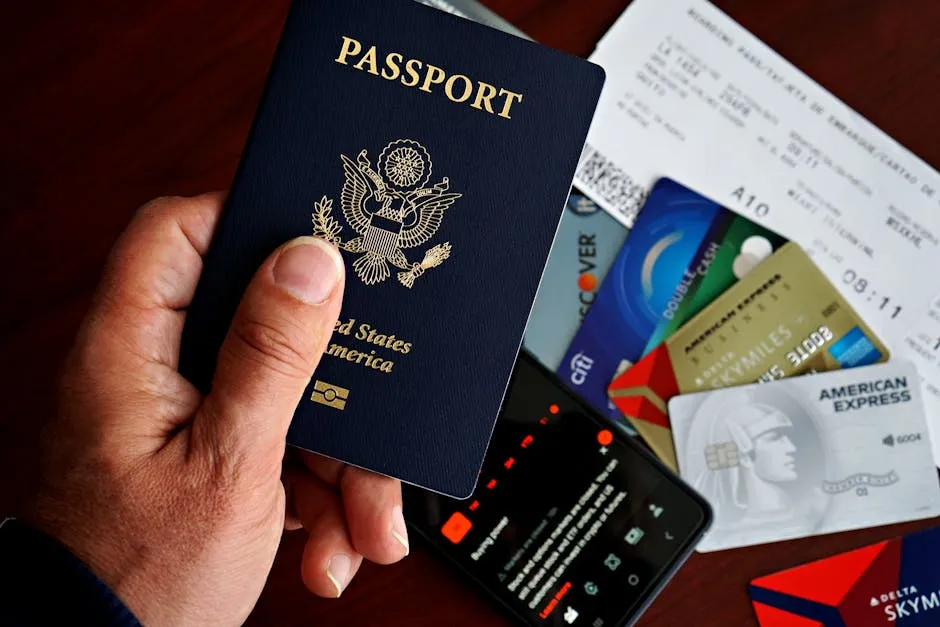
⚠ Heads up: Most eSIM plans start counting from first data use, not from purchase. Activate a 3-day plan at Dubai Airport and a third of it is already gone by the time you reach your hotel. Install the profile at home on Wi-Fi and the plan stays dormant until you switch to it on landing.
Install Before You Fly: 3 Simple Steps
Save it to your email, camera roll, and a screenshot folder while on home Wi-Fi. Dubai Airport offers free Wi-Fi but sessions cut out after 30 minutes — do not rely on it for QR activation.
iPhone: Settings > Cellular > Add eSIM > Use QR Code. Android: Settings > Network & Internet > SIMs > Add eSIM. Label the profile “MENA” so switching back to your home SIM takes one tap.
Toggle cellular data to the eSIM profile in Settings. In the UAE, e& and du connect within seconds. In Egypt and Morocco, allow 1-2 minutes for the network to register.
If You Haven’t Set It Up Yet: Airport Guide
Dubai International (DXB)
Free Wi-Fi is available in all three terminals. Sessions are time-limited (typically 30 minutes per login), which is enough time to scan a QR code if you do it immediately on arrival.
Both e& and du have 24/7 kiosks in the arrivals halls of Terminals 1, 2, and 3. du offers a free tourist eSIM starter pack (10 GB / 24 hours) for eligible passports at the kiosk.
Fallback: Purchase a local SIM at either carrier kiosk (passport required for TDRA registration, takes under 5 minutes).
Cairo International (CAI)
Free Wi-Fi is available but travellers frequently report slow and unreliable speeds in 2025. QR code activation attempts have taken 20+ minutes at peak hours due to network congestion.
Vodafone Egypt, Orange Egypt, and e& Egypt have kiosks in arrivals. Local SIM purchase requires a passport scan under NTRA registration rules.
Tip: Activate your eSIM at home. Cairo airport Wi-Fi is the most unreliable in the MENA region for QR code scanning.
Casablanca Mohammed V (CMN)
Free Wi-Fi is functional in the terminal building and adequate for eSIM QR activation. Maroc Telecom, Orange Morocco, and Inwi kiosks are available in the arrivals area for local SIM purchase.
For short trips under a week, an international eSIM beats a local Moroccan SIM: no APN setup, no passport registration, no finding a recharge point.
Tip: Official airport taxi to Casablanca city is a fixed 300-350 MAD (around $30) paid at the kiosk inside arrivals. Avoid drivers who approach you before the desk.
Phone Numbers and SMS
The UAE’s VoIP restriction is the single most important connectivity fact for MENA travel. WhatsApp, FaceTime, and Skype calls are blocked across all seven UAE emirates under TDRA regulations. The legal workaround: BOTIM (owned by the e& group) and C’Me (by du).
BOTIM is the most widely used, costing around AED 50/month, and supports voice calls, video calls, and group calls. Download BOTIM before you fly, and ensure anyone you plan to call in the UAE — or who you want to call from UAE — has it installed.
Zoom and Microsoft Teams are fully approved for video conferencing and work without restrictions. In Saudi Arabia, WhatsApp voice and video calls are permitted, making communication straightforward for visitors to Riyadh, Jeddah, and other cities.
Egypt and Jordan also have no restrictions on WhatsApp calling. For bank two-factor authentication (2FA) SMS messages, the best strategy across MENA is a dual-SIM setup: keep your home SIM active on a cheap roaming plan or data-free incoming SMS plan, and use your eSIM for data.
Most banks send OTP SMS messages that will arrive on your home SIM number regardless of which country you are in, as long as roaming is enabled on that SIM. If you are traveling for more than two weeks and concerned about high roaming costs, services like Google Voice (US) or a Revolut virtual number can receive SMS 2FA codes via app without a physical SIM present — but verify your bank accepts the specific number format before departing.
Virtual number services do not solve the UAE VoIP call block; they are SMS tools, not calling tools.
Where You Will Actually Use Your eSIM
- Dubai, UAEData use in Dubai is constant and high-intensity. You will use Google Maps to navigate to Metro stations across the city’s 7 fare zones, Careem or Uber to get from Metro exits to your hotel, and WhatsApp (text only) to coordinate with your accommodation. At the Burj Khalifa viewing deck, uploading photos to Instagram and sharing live locations with your travel group will chew through your data faster than anywhere else in MENA. The Nol Pay app is useful for topping up your Metro card remotely without queuing at station machines. Resort Wi-Fi is generally fast in Dubai, but you will want mobile data for street navigation in older neighbourhoods like Deira where GPS requires active data.
- Cairo, EgyptCairo is where your data connection becomes your most important safety tool. Uber and Careem routes are GPS-tracked, and drivers calling you mid-trip in Arabic can be handled via the in-app chat auto-translator — but only if you have data. Google Maps is useful for traffic avoidance, though it underestimates Cairo’s congestion severity. Street crossing safety also involves monitoring app-linked live locations shared with companions. At Cairo International Airport, the famously aggressive taxi tout situation in the arrivals hall is best handled by opening Uber inside the terminal before stepping outside — which requires either airport Wi-Fi or an already-activated eSIM.
- Marrakech, MoroccoData use in Marrakech centers on two things: navigating the medina and communicating with your riad. Google Maps is unreliable inside the medina’s narrow alleys, where GPS drift makes it hard to determine which unmarked turn leads to your accommodation. WhatsApp with your riad host is the primary navigation tool — they will send you pin drops and voice notes guiding you through the final stretch. Download Google Maps offline for Marrakech city before entering the medina. Data is also useful at Djemaa el-Fna square for translating menus, checking posted prices, and booking activities on the fly.
- Petra, JordanPetra is the most important offline-preparation destination in all of MENA. Signal at the Treasury (Al-Khazneh) entrance is workable on Zain JO, but degrades noticeably as you move deeper into the archaeological park — and is near-absent on the 850-step climb to the Monastery (Ad Deir). The official Visit Petra offline map should be downloaded before entering the Siq. Save your accommodation’s address, phone number, and the JETT return bus time (5 PM from Wadi Musa) as screenshots before entering the site. Do not rely on live navigation inside Petra. Outside the park, in Wadi Musa town, 4G connectivity is strong.
- Doha, QatarData use in Doha is centered on the metro, Pearl Island navigation, and Karwa taxi booking. The Doha Metro’s daily cap of QAR 6 for unlimited rides makes it the cheapest way to get from Hamad International Airport to central Doha (Green Line direct). Google Maps works reliably across Doha, and Pearl Island’s waterfront dining strip is easily navigated with live data. Qatar VoIP rules follow a similar licensing structure to UAE — certain apps are restricted. Zoom and Microsoft Teams work for video calls; check specific app status before relying on calls during your visit.
- Riyadh, Saudi ArabiaData use in Riyadh follows the metro and Careem pattern. The Darb app requires an active data connection to generate QR metro tickets — keep data on whenever you are near a metro station. Careem and Uber are essential for reaching restaurants and attractions beyond metro stops. AlUla, if you are visiting Saudi Arabia’s desert heritage site in the northwest, has limited connectivity outside the main resort areas; download offline maps before leaving Riyadh or Jeddah. Most major Riyadh malls and hotels have strong Wi-Fi, but do not rely on mall Wi-Fi for navigating between appointments.
- Sharm El Sheikh, EgyptResort Wi-Fi in Sharm is notoriously unreliable. Multiple traveler reports from 2025-2026 confirm that most all-inclusive resort Wi-Fi is too slow for video calls and map loading, particularly in rooms away from the main lobby. Mobile data from an Egyptian or international eSIM is essential for Red Sea dive site navigation, boat pickups, and staying connected while snorkeling in areas like Ras Mohammed National Park. Strong 4G coverage from Orange Egypt and Vodafone Egypt covers the Naama Bay area and main resort strip — but signal weakens at remote dive sites offshore.
Verdict: eSIM4.com
After evaluating network reliability, price per GB, and ease of use, eSIM4 is our clear winner for travel in the Middle East and North Africa. It is the best eSIM for staying connected across multiple countries without swapping a physical SIM card.
The combination of broad regional coverage and an unbeatable starting price of $5.98 makes it the smartest choice for most travelers. While other providers like Saily offer excellent security features and Jetpac has unique perks, eSIM4 delivers the most consistent all-around value. The added benefit of their optional app for handling calls and texts ensures you stay fully connected, not just online, making your trip smoother and more enjoyable.
Why We Chose eSIM4
- Best Network: e& 5G in the UAE, STC in Saudi Arabia, Vodafone Egypt across Cairo and resort coasts.
- Real Phone Number: Optional Yabb app adds calls and SMS on a routable number.
- Widest Plan Range: 1 GB to 10 GB regional plans starting from $5.98.
- Instant Setup: Install before you fly, auto-connect on landing.
- 24/7 Support: Email, chat, and WhatsApp support around the clock.
Is My Device eSIM Compatible?
Before you purchase an eSIM, ensure your smartphone supports eSIM technology and is compatible with eSIM. Most modern flagship devices from Apple (iPhone XR/XS and newer), Samsung (S20 and newer), and Google (Pixel 3 and newer) are compatible.
However, compatibility can vary by region. For example, some devices purchased in mainland China may not support eSIM. We recommend checking your phone’s settings or consulting a compatibility list to be certain.
Check Device List →Can I Make Phone Calls With An eSIM?
Most travel eSIMs for the Middle East are data-only, which can be inconvenient if you need to call a local hotel, tour operator, or restaurant. ESIM4 addresses this with its optional Yabb app integration.
Seamless VoIP Calling
By using the Yabb app with your eSIM4 data connection, you can make high-quality voice calls to landlines and mobile numbers in the Middle East and over 200 other countries. This is often noticeably cheaper than traditional roaming rates.
- Call standard phone numbers, not just other app users.
- Keep your personal number private.
- Avoid expensive carrier roaming charges.
Can I Send Text Messages With An eSIM?
Need to send a quick text to a friend or confirm a booking? Yabb allows you to send and receive global SMS messages using your eSIM data.
Global Messaging
Unlike apps that require both parties to be online, Yabb lets you send real SMS texts to any mobile phone, ensuring your message gets through.
Key Features
- Pay As You Go: Purchase credits only when needed.
- Two-Way: Receive replies directly within the app.
- Global Reach: Works across the MENA region and worldwide.
Installation & Activation: How to Install Your eSIM
Setting up your MENA eSIM is a quick process, but timing is important.
- Buy Before You Fly: Purchase your plan while you still have a stable home internet connection.
- Install the eSIM: Scan the QR code sent to your email to install the profile on your phone. Crucial for UAE: Install your eSIM before you arrive in the country, as local internet restrictions can sometimes hinder the installation process upon arrival.
- Activate Your eSIM: Once you land, go to your settings, turn on the eSIM line, and enable “Data Roaming” for that line.
Travel Tips: Managing Mobile Data in the Middle East
To get the most out of your connectivity in the region, keep these tips in mind.
VPN Usage
In some Middle Eastern countries, access to certain websites and apps can be restricted. Having a reliable VPN installed on your phone before you arrive can help you maintain access to your usual services.
Data Conservation
Mobile data can drain quickly when backing up high-resolution photos of the Pyramids or Petra. Set your phone to only backup photos when connected to Wi-Fi to save your mobile data for maps (Google Maps) and communication.
Network Selection
If you find your signal is weak, try manually selecting a different network in your phone settings. Many regional eSIMs, like Jetpac and eSIM4, have agreements with multiple carriers in a single country, allowing you to switch to the strongest signal.
How We Ranked These eSIM Providers
While many reviews rely on simple speed tests that only reflect a single moment in time, our approach is built on rigorous industry analysis. Our team of telecommunications experts audits the technical specifications that average users might miss but definitely feel in real-world performance. We look under the hood to see how the connection is delivered, not just if it connects.
Our Technical Evaluation Criteria
- Tier 1 vs. Tier 2 Network Access: We analyze the backend agreements to see if the eSIM connects to premium Tier 1 networks (like Movistar) with priority access, or if it is relegated to a congested Tier 2 roaming partner. This determines if your data slows down in crowded areas.
- Latency & Routing Stats: Speed isn’t everything; responsiveness is key. We evaluate the data routing paths (latency) to ensure your traffic isn’t being routed halfway around the world before reaching the internet, which causes lag in video calls and maps.
- Carrier Aggregation Support: We check if the eSIM profile supports carrier aggregation , a technology that allows your phone to connect to multiple frequency bands simultaneously. This technical feature, often missing in budget SIMs, is crucial for maintaining high speeds in dense urban environments.
- Fair Usage Policy (FUP) Analysis: We scrutinize the fine print of unlimited data plans to identify hidden throttling thresholds, ensuring our top picks offer genuine high-speed data that meets the demands of modern travel.
Frequently Asked Questions
Does eSIM work in the Middle East and North Africa?
Yes, eSIM technology is widely supported across the region, including in major tourist destinations like Dubai, Cairo, Istanbul, and Marrakech. It is an excellent alternative to buying a physical SIM card upon arrival.
Which is the best eSIM for MENA travel?
We recommend eSIM4 for its combination of wide regional coverage, affordable pricing starting at $5.98, and reliable customer support.
Can I use WhatsApp calls in Dubai?
WhatsApp voice and video calls are typically blocked in the UAE. However, text messaging works perfectly. For calls, you may need to use alternative solutions or specific apps provided by some eSIM services.
Do I need a separate eSIM for each country?
Not if you buy a regional plan. Providers like eSIM4, Saily, and Airalo offer “MENA” or “Regional” plans that cover multiple countries with a single eSIM profile.
When should I install my eSIM?
It is highly recommended to install your eSIM before you depart. This ensures you are ready to connect the moment you land and avoids potential issues with downloading the profile on slow airport Wi-Fi.
Can I keep my home number active?
Yes, most phones allow you to keep your home SIM active for calls and texts (though roaming fees may apply) while using the eSIM strictly for data.
About the Author: Peter Moore
eSIM Content Writer at eSIM4
Peter Moore has spent more than seven years in telecommunications marketing, working across mobile apps, SMS services, international calling, and eSIM technology. He writes about eSIMs and travel connectivity full-time, helping travellers pick what actually works in each destination.
