












eSIM Asia
Top 6 Best eSIM For Asia

Jan
Compare the best eSIMs, prepaid data plans, and providers like Airalo and eSIM4 for fast and reliable internet across Asia.
 Written by Peter Moore, eSIM Content Writer
Verdict: eSIM4.com

eSIM4 is the best eSIM for Asia travel. It pairs strong local network coverage with the only travel eSIM that includes real voice calling and SMS via the optional Yabb app, plus unlimited plans from a weekend through to a full month. Instant install, no SIM swap, and consistent 4G/5G speeds.
Why We Chose eSIM4
- Best Network: Local carrier connections in 18 Asian countries, including China, India, Japan, South Korea, and Thailand.
- Real Phone Number: Optional Yabb app adds calls and SMS on a routable number.
- Widest Plan Range: 1GB to unlimited 30-day, starting from $2.98.
- Instant Setup: Install before you fly for peace of mind, auto-connect on landing.
- 24/7 Support: Email, chat, and WhatsApp support around the clock.
Finding Your Perfect eSIM for Asia
Gone are the days of hunting for a physical SIM card at the airport or worrying about expensive roaming fees. Traveling through Asia offers a of experiences, from the bustling streets of Singapore and Hong Kong to the serene beaches of Thailand and the Philippines.
Staying connected is crucial for navigating these diverse landscapes, contacting loved ones via WhatsApp, and sharing your journey. An embedded SIM (eSIM) is the most convenient way to access seamless internet connection and mobile data without the hassle of swapping cards.
We have analyzed the market to bring you the best eSIM providers for 2026. Whether you are backpacking through Southeast Asia, doing business in Taiwan or Macau, or venturing across multiple countries, we ensure you have fast and reliable connectivity.
Our Top Pick: eSIM4
For every traveler exploring Asia, eSIM4 is our top recommendation. It offers extensive coverage across major Asian destinations, competitive prepay pricing, and flexible eSIM plans tailored for different trip durations. Unlike some competitors like Holafly which offers unlimited data but restricts hotspots, eSIM4 provides a balanced data plan that supports tethering.
Why eSIM4 Leads for Asia
- Broad Coverage: Connects to top networks in 18+ countries in Asia including Malaysia, Indonesia, Cambodia, and South Korea.
- Instant Connectivity: Receive your QR code via email immediately and set up your eSIM directly into your smartphone before you fly.
- Affordable Rates: Plans start from just $2.98, offering great value per GB for every budget.
- Reliable Support: 24/7 customer support to assist you wherever you are.
- Flexible Data: Options range from short 3-day plans to extensive 180-day packages with up to 50 GB or 100 GB.
- App Features: Optional app for monitoring usage and enabling calls/SMS.
Quick Comparison: Leading eSIM Options for Asia
Compare the top providers at a glance, including Airalo and Saily.
| Rank | Provider | Rating | Coverage | Starting Price | Best For |
|---|---|---|---|---|---|
| 1 | ⭐ eSIM4 | 4.9/5 | 18+ Countries | $2.98 | Overall Value |
| 2 | Saily | 4.7/5 | 200+ Regions | $4.99 | Security (NordVPN) |
| 3 | Airalo | 4.7/5 | Regional | $4.00 | Ease of Use |
| 4 | Nomad | 4.6/5 | APAC | $5.50 | Heavy Data |
| 5 | Jetpac | 4.5/5 | Multiple | $1.00 | Budget |
| 6 | aloSIM | 4.4/5 | Regional | $5.00 | Simple Setup |
Choosing the Right eSIM for Your Trip
With so many options available, from Airalo to Holafly, here is what you should look for when selecting an eSIM for your Asian adventure.
| Factor | Details | Why It Matters |
|---|---|---|
| Coverage | Check if the provider covers your destination, whether it’s Japan, Vietnam, or across Asia. | Essential for multi-country trips to ensure seamless connectivity. |
| Data Plans | Look for plan variety, including unlimited data options. | Choose a plan that fits your usage, from light messaging to heavy streaming. |
| Price | Compare cost per GB. | Ensure you are getting the best value for your money. |
| Compatibility | Verify device support (Dual SIM, unlocked mobile phone). | Most modern phones work, but it is always good to double check. |
| Activation | Ease of setup process (QR code vs app). | Quick activation means you get connected faster upon arrival. |
Top eSIM Providers
Detailed reviews with verified pricing and carrier-specific notes.
eSIM4
Top pick for Asia-wide travel in 2026

eSIM4 is our top pick for Asian travel in 2026. It covers 18 countries on a single plan, including the three hardest to find on other regional eSIMs: China, India, and Pakistan. Unlimited plans start at $9.98 for 3 days and go up to 15 days, which covers most Southeast Asia or Northeast Asia itineraries without a top-up.
Coverage
eSIM4 connects through local partner carriers in each country. That means SoftBank or KDDI in Japan, SK Telecom or KT in South Korea, AIS in Thailand, Telkomsel in Indonesia, Globe or Smart in the Philippines, Airtel in India, and M1 or Singtel in Singapore.
In China, the plan routes through a domestic carrier that operates outside the standard VPN restrictions, so Google Maps, WhatsApp, and Gmail work without a separate VPN setup. Expect 4G LTE at 30 to 150 Mbps across Southeast Asia and 5G at 100 to 400 Mbps in major Korean and Japanese cities.
Activation Process
Scan the QR code emailed within 60 seconds of checkout. IPhone: Settings > Cellular > Add eSIM > Use QR Code. Android: Settings > Network and Internet > SIMs > Add eSIM. Label the profile ‘Asia’ before your flight. The plan activates the moment you connect to a supported network after landing. No airport kiosk, no physical SIM swap, no separate per-country activations required.
Price
Plans start at $2.98 for 500 MB over 3 days, a reasonable option for a short stopover. The 3 GB / 30-day plan at $11.98 suits a typical two-week multi-country loop. Unlimited data over 7 days is $24.98, the lowest-priced unlimited Asia plan in this comparison and the right choice for heavy navigation and video use across three or more countries.
Data Plans
| Data | Duration | Price | Savings |
|---|---|---|---|
| 1GB | 7 Days | $9.00 $3.98 | Save $5.02 |
| 2GB | 15 Days | $12.60 $5.98 | Save $6.62 |
| 3GB | 30 Days | $23.40 $11.98 | Save $11.42 |
| 5GB | 30 Days | $27.00 $13.98 | Save $13.02 |
| 10GB | 30 Days | $45.00 $23.98 | Save $21.02 |
| 20GB | 30 Days | $70.20 $37.98 | Save $32.22 |
| 500MB | 3 Days | $2.98 $2.98 | Save $0.00 |
| Unlimited | 3 Days | $20.70 $9.98 | Save $10.72 |
| Unlimited | 5 Days | $34.20 $17.98 | Save $16.22 |
| Unlimited | 7 Days | $46.80 $24.98 | Save $21.82 |
| Unlimited | 10 Days | $63.00 $33.98 | Save $29.02 |
| Unlimited | 15 Days | $88.20 $47.98 | Save $40.22 |
Pros
- Covers China on the same plan, including access to Google and WhatsApp without a VPN
- Unlimited data from 3 to 15 days, the widest unlimited range in this comparison
- Single QR code activates across all 18 countries with no manual switching
- Optional Yabb add-on provides a real phone number and SMS for Grab and hotel check-ins that require SMS verification
- 24/7 support team by email, chat, and WhatsApp with documented under-2-hour response times
Cons
- Covers 18 countries, not all of Asia. Nepal, Myanmar, Bhutan, and Sri Lanka require a separate local SIM or add-on plan.

Saily
Budget Asia eSIM from the Nord Security team
Saily is the eSIM brand behind NordVPN. Its Asia plans are priced below the mid-market average, the app is clean, and an optional VPN layer is built in for travelers who worry about public Wi-Fi in hotel lobbies or airport lounges across Asia.
Coverage
Saily’s Asia plan operates through local carriers across the region, covering Japan, South Korea, Thailand, Vietnam, Indonesia, the Philippines, Singapore, and Malaysia. 4G LTE is reliable in all major cities. 5G is available in Tokyo, Seoul, Singapore, and Bangkok’s business districts. Coverage is solid on the tourist trail between Vietnam’s Da Nang and Hoi An and across Thailand’s island ferry routes.
Activation Process
Download the Saily app, select the Asia plan, and tap Install. A QR-code fallback is emailed for users who prefer not to install the app.
Install at home on Wi-Fi before your flight. Saily occasionally blocks activation on airport Wi-Fi due to high-traffic network detection.
First-use attach takes 30 to 60 seconds once you connect to a local tower.
Price
1 GB / 7 days is $4.99. 10 GB / 30 days is $35.99. There is no unlimited Asia option, which is a notable gap for heavy users on long trips. Per-GB value is slightly higher than eSIM4 on mid-tier plans.
Data Plans
| Data | Duration | Price |
|---|---|---|
| 1GB | 7 Days | $4.99 |
| 3GB | 30 Days | $12.49 |
| 5GB | 30 Days | $19.49 |
| 10GB | 30 Days | $35.99 |
| 25GB | 60 Days | $48.99 |
Pros
- Built-in VPN protects public Wi-Fi sessions in airports, hotels, and cafes
- Clean real-time data usage display in-app with country-by-country breakdown
- Low entry price for short stopovers across Southeast or Northeast Asia
Cons
- No unlimited plan, which is a real limitation on a 10-plus-day Asia trip with heavy Google Maps and video use
- No phone number or SMS add-on, so Grab and hotel SMS verifications require your home SIM

Nomad
Unlimited Asia plans for heavy data users
Nomad is a Canadian eSIM brand popular with frequent business travelers. Its APAC plan stands out for being one of the only mid-market options that offers unlimited data across Asia, including unlimited plans for 5 and 10 days that undercut most competitors at that tier.
Coverage
Nomad’s APAC coverage includes Japan, South Korea, Thailand, Vietnam, Cambodia, Laos, Malaysia, Indonesia, the Philippines, Singapore, Taiwan, and Hong Kong. It uses local carrier partners in each country with a focus on 4G LTE reliability. 5G is available in Japan, South Korea, and Singapore. The APAC plan does not cover India or China.
Activation Process
Nomad emails a QR code immediately after checkout. Scan with the iPhone camera or Android’s QR reader to install.
The profile activates automatically when you land and turn off airplane mode. Dual-SIM users can run Nomad for Asia data while keeping their home SIM live for calls.
Price
1 GB / 7 days is $5.50. Unlimited / 5 days is $18.00, which makes it one of the cheapest short-trip unlimited options after eSIM4. Unlimited / 10 days at $33.00 is well-priced for a 10-day Japan or South Korea trip. No plan covers 30 days of unlimited, so longer trips require a top-up.
Data Plans
| Data | Duration | Price |
|---|---|---|
| 1GB | 7 Days | $5.50 |
| 3GB | 30 Days | $13.00 |
| 5GB | 30 Days | $17.00 |
| 10GB | 30 Days | $20.00 |
| 20GB | 45 Days | $30.00 |
| 50GB | 45 Days | $72.00 |
| Unlimited | 5 Days | $18.00 |
| Unlimited | 10 Days | $33.00 |
Pros
- Unlimited Asia plan available from 5 days, rare in this price range
- One login works across 170 plus countries in Asia, Europe, Africa and beyond, useful for multi-continent travel
- Responsive in-app customer support across time zones
Cons
- Does not cover India or China, both in eSIM4 but absent from Nomad’s APAC plan
- No 30-day unlimited option, so month-long trips require multiple top-ups

Jetpac
Cheap entry plan and strong 30-day data caps

Jetpac is the budget eSIM that actually delivers on its price. The $1 for 1 GB / 4 days entry plan is the cheapest Asia eSIM on the market for a short layover or weekend trip. Its 30-day caps are the strongest in this comparison at the $20 to $45 range.
Coverage
Jetpac’s Asia coverage spans Thailand, Japan, South Korea, Vietnam, Malaysia, the Philippines, Indonesia, Singapore, and Taiwan. Carriers vary by country but 4G LTE is available in all major cities and tourist regions. Speed caps apply on some plans. 5G is not reliably available on Jetpac’s Asia network in all countries.
Activation Process
Install from the Jetpac app or scan the emailed QR code. Installation takes under 2 minutes on iPhone and Android. Jetpac frequently runs a 75 percent discount on the first plan for new accounts, which brings the 1 GB entry plan down to $1. Check the app for the current promo before buying.
Price
1 GB / 4 days is $1.00 with a first-purchase promo. 10 GB / 30 days is $19.99. 30 GB / 30 days at $39.99 is the best large-data 30-day deal in this comparison, around 30 percent cheaper than Nomad or aloSIM at similar volumes.
Data Plans
| Data | Duration | Price |
|---|---|---|
| 1GB | 4 Days | $1.00 |
| 3GB | 7 Days | $10.00 |
| 5GB | 30 Days | $15.00 |
| 10GB | 30 Days | $19.99 |
| 15GB | 30 Days | $29.99 |
| 20GB | 30 Days | $55.00 |
| 30GB | 30 Days | $39.99 |
| 40GB | 30 Days | $44.99 |
Pros
- $1 entry plan for short layovers and weekend trips, cheapest in this comparison
- 30 GB / 30 days at $39.99 is the strongest large-cap value for long trips
- Coverage spans 10 plus Asian countries including all of Southeast Asia’s main tourist destinations
Cons
- No unlimited option, which is a gap for data-heavy users crossing multiple countries
- Speed caps on cheaper plans can slow down HD video streaming and large file transfers

aloSIM
Simple flat pricing, no app required

aloSIM is a Canadian eSIM provider that keeps pricing simple and installation simple. No app required.
A single QR code emailed at checkout covers you across Asia. Good pick for first-time eSIM users who want straightforward pricing without comparing unlimited tiers.
Coverage
aloSIM’s Asia plan covers Japan, South Korea, Thailand, Vietnam, Indonesia, Malaysia, the Philippines, Singapore, and Taiwan. Local carrier partners provide 4G LTE in all of these markets. 5G access is available in Japan, South Korea, and Singapore on compatible devices.
Speeds are solid in Bangkok, Tokyo, Seoul, and Kuala Lumpur. Rural coverage in Indonesia and the Philippines holds up on the main islands.
Activation Process
No app install required. After checkout, aloSIM emails a QR code that installs directly from the iPhone or Android system menu. IPhone: Settings > Cellular > Add eSIM > Use QR Code. Android: Settings > Connections > SIM Manager > Add eSIM. The profile attaches to the nearest local carrier within 60 seconds of landing.
Price
1 GB / 7 days is $5.00. 10 GB / 30 days is $37.00. There is no unlimited Asia plan, which puts aloSIM behind eSIM4 and Nomad for heavy data users. The per-GB cost runs slightly higher than the competition at the 10 GB tier, but the no-app setup is worth it for some travelers.
Data Plans
| Data | Duration | Price |
|---|---|---|
| 1GB | 7 Days | $5.00 |
| 2GB | 15 Days | $9.50 |
| 3GB | 30 Days | $15.00 |
| 5GB | 30 Days | $20.00 |
| 10GB | 30 Days | $37.00 |
| 100GB | 180 Days | $185.00 |
Pros
- No app install needed, works from a QR code alone
- Flat transparent pricing with no promo codes or hidden tiers
- Email support responds within 12 hours for most Asia time zones
Cons
- No unlimited option, a real limitation on a two-week-plus Asia trip
- 10 GB / 30 days at $37 is more expensive than Jetpac’s equivalent plan

Airalo
The original eSIM marketplace with the widest catalog

Airalo created the consumer eSIM marketplace in 2017 and still runs the largest catalog. Its Asia plan covers 18 countries and is one of the few marketplace options with both short-trip and very long-stay plans up to 180 days at pricing that undercuts the competition at high data volumes.
Coverage
Airalo’s Asia regional plan uses local carrier partnerships across 18 countries including Japan, South Korea, Thailand, Vietnam, Indonesia, Malaysia, the Philippines, Singapore, India, Taiwan, Hong Kong, and China. 4G LTE is available throughout. 5G is included on the mid-tier and above plans in South Korea and Japan. The platform’s large user base means coverage bugs are reported and fixed faster than smaller providers.
Activation Process
Scan the emailed QR code or install from the Airalo app. The app shows real-time data usage and remaining balance across your active plans.
Top-ups can be purchased inside the app in under 30 seconds without needing to re-scan a QR code. One of the smoothest top-up experiences in this comparison.
Price
1 GB / 3 days is $4.00. 10 GB / 30 days is $25.00, one of the better mid-tier prices here. 100 GB / 180 days at $89.00 is the best long-stay value in this comparison by a significant margin. No unlimited daily option.
Data Plans
| Data | Duration | Price |
|---|---|---|
| 1GB | 3 Days | $4.00 |
| 3GB | 7 Days | $9.50 |
| 5GB | 7 Days | $14.00 |
| 5GB | 15 Days | $14.50 |
| 5GB | 30 Days | $15.00 |
| 10GB | 15 Days | $24.00 |
| 10GB | 30 Days | $25.00 |
| 50GB | 90 Days | $69.00 |
| 100GB | 180 Days | $89.00 |
Pros
- 100 GB / 180-day plan at $89 is the cheapest high-volume long-stay option in this comparison
- In-app top-ups take 30 seconds without re-scanning a QR code
- Largest user base means community coverage reports are frequent and reliable
Cons
- No unlimited plan, a gap for heavy users on short trips
- Entry-level 1 GB plan costs more per GB than eSIM4’s 2 GB equivalent
Before You Leave For Asia: What Every Traveller Needs To Know
The pricing comparison above tells you which eSIM to buy. This part tells you how to actually use it once you land. And the things first-time visitors consistently get wrong.
Researched and verified against live sources. Every non-obvious claim links to its primary source.
China’s Great Firewall Blocks Google, WhatsApp, Instagram, and YouTube
When you land in mainland China, Google, Facebook, Instagram, YouTube, WhatsApp, and X (Twitter) are all blocked at the network level by the Great Firewall. The UK Government’s China travel advisory explicitly lists these services as permanently blocked, and notes that access to the internet can be further restricted around key political events.
That same advisory also states that VPNs used without government licensing are technically illegal under China’s cybersecurity laws, which means your standard VPN app may not work reliably either. An eSIM plan that routes your traffic through a non-China server before connecting is the most consistent workaround travellers report.
Uber Exited Southeast Asia in 2018 — Grab Is Now the Default
In March 2018, Uber merged its entire Southeast Asia business into Grab Holdings, effectively exiting the region. Grab now operates across eight countries — Singapore, Malaysia, Cambodia, Indonesia, Myanmar, the Philippines, Thailand, and Vietnam — and is the go-to app for ride-hailing, food delivery, and payments across all of them.
For Indonesia, Gojek runs alongside Grab and is often cheaper for motorbike taxis (ojek). In China, DiDi is the dominant platform; Grab does not operate there.
Payment Apps Differ by Country and Foreigners Often Get Locked Out
Asia has no unified payment app — each country has its own system and foreigners are frequently locked out of the default ones. China uses Alipay and WeChat Pay, but both traditionally required a Chinese bank account; Alipay launched an international Tourpass feature in November 2019 allowing foreign visitors to pre-load foreign currency for use in China.
Thailand’s bank-to-bank transfer system is called PromptPay; Singapore uses PayNow and PayLah; Malaysia uses Touch ‘n Go eWallet; the Philippines uses GCash; and Indonesia uses GoPay and OVO. For most tourists, bringing a Wise or Revolut debit card plus local cash remains the most frictionless option.
Japan’s Suica Card Works on Every Train, Subway, and Bus Nationwide
Japan’s IC card ecosystem is fully interoperable nationwide. The Suica card, issued by JR East, has full interoperability with Kitaca, PASMO, TOICA, manaca, ICOCA, PiTaPa, SUGOCA, nimoca, and Hayakaken cards since 2013 — meaning you can tap onto virtually any train, bus, or tram in Japan with a single card.
A Suica costs 2,000 yen (500 yen refundable deposit) and can also be used for purchases at 7-Eleven, FamilyMart, Lawson, and thousands of vending machines. International tourists can pick up a Welcome Suica at Narita or Haneda airports, which expires after 28 days but requires no deposit.
Japan Is Still Heavily Cash-Based Outside Major Cities
Despite its reputation for technology, Japan remains one of the most cash-dependent countries in Asia — many smaller restaurants, temples, ryokan, and rural businesses do not accept cards at all. The safest way to access cash as a foreign visitor is via 7-Bank ATMs at 7-Eleven stores, which accept Visa, Mastercard, Maestro, Cirrus, UnionPay, and American Express issued outside Japan and are open 24 hours.
Japan Post ATMs (at 20,000+ post offices) also accept foreign cards but have limited hours. Always carry at least 10,000 yen in cash when leaving major cities.
South Korea: T-money for the Subway, KakaoTalk for Everything Else
South Korea’s T-money card is the essential transit card for Seoul and every other major Korean city — it works on all six metropolitan subway networks, Korail trains, and public buses nationwide, as confirmed by the Korea Tourism Organization and T-money Co. Cards cost 3,000 to 5,000 won and can be topped up at subway stations and convenience stores. Off the subway, KakaoTalk — which holds around 90% of South Korea’s messaging market — is the standard way South Koreans communicate, and you will need it to receive delivery codes and stay in touch with locals. Kakao T (within the KakaoTalk ecosystem) is also the dominant taxi-hailing app in Korea.
Thailand Has Four Different Transport Systems in Bangkok and None of Them Link Properly
Bangkok’s BTS Skytrain, MRT subway, Airport Rail Link, and river ferries are all separate networks with separate ticketing — there is no single card that covers all of them. The BTS uses its own stored-value Rabbit card or single-journey tokens; the MRT accepts its own card or cash; and neither system links to the other at the fare level.
Grab handles road-based travel efficiently across Bangkok and most Thai cities, though tuk-tuks are useful for short hops in Old Town areas. In beach destinations like Koh Samui and Phuket, Grab and scooter taxis are the primary options as there is no rail network.
Hong Kong’s Octopus Card Is Used by 99 Percent of Residents
The Hong Kong Octopus card is one of the world’s most successful transit cards — used by 99% of residents and handling over 14 million transactions per day as of 2018. It covers every MTR line, all major bus operators, trams, Star Ferry, taxis (via app), and retail purchases at McDonald’s, 7-Eleven, Starbucks, and supermarkets. Adult On-Loan cards cost HK$200 (including HK$150 usable balance and HK$50 refundable deposit) and are available at any MTR station. The card can also be added to Apple Pay, Google Wallet, Samsung Pay, or Huawei Pay.
VPNs in China Are Legally Grey and Many Simply Do Not Work
China’s cybersecurity laws require that VPN services be licensed by the Ministry of Industry and Information Technology, and most consumer VPN apps are not licensed — meaning they are technically illegal to use. In practice, enforcement against individual tourists is rare, but VPN reliability is the bigger problem: China actively blocks VPN protocols, and many apps that worked previously stop functioning without warning, particularly around national events. The UK Government’s China safety advisory states that ‘online products and services (for example, VPNs) need to be licensed by the Chinese government.’ A data SIM or eSIM that routes traffic outside the firewall by design — rather than tunnelling through it — is the most consistent solution travellers report for maintaining access to Google, WhatsApp, and email in China.
Tipping Customs Vary Wildly Across Asia and Getting It Wrong Is Awkward
There is no universal tipping norm across Asia, and in some countries leaving a tip is culturally inappropriate. In Japan, tipping is considered rude — servers may run after you to return the money.
In China, tipping is not expected at restaurants or taxis, though hotel porters at international hotels have adopted it. In Thailand, rounding up the bill or leaving 20 to 50 baht is appreciated at mid-range restaurants.
In Indonesia, a 10% service charge is often added automatically to restaurant bills; in the Philippines, a 10% service charge is standard at most restaurants. In Singapore, most bills already include a 10% service charge.
Research local norms before your first meal rather than applying a blanket rule across the whole trip.
How To Travel Around Asia

Asia has no single transport system, and the apps and cards that work in one country rarely transfer to the next. Japan’s Suica card is useless in Thailand; Bangkok’s Rabbit card does not work in Kuala Lumpur; and Korea’s T-money card covers every Korean city but nothing beyond the peninsula. The practical approach for a multi-country Asia trip is to budget 10 to 20 minutes at each first airport or train station to pick up a local transit card, and to download Grab before touching down in any Southeast Asian country.
In Southeast Asia, Grab is the dominant ride-hailing app across Singapore, Malaysia, Cambodia, Indonesia, Myanmar, the Philippines, Thailand, and Vietnam — Uber merged its entire regional business into Grab in March 2018. In Indonesia, Gojek runs alongside Grab and is popular for GoRide motorbike taxis, which are cheaper for short urban hops. For China, DiDi is the local ride-hailing leader; you will need a Chinese phone number or Alipay account to register. In India, Uber and Ola both operate, with Rapido popular for motorbike rides in southern cities.
Northeast Asia has world-class rail. Japan’s IC card ecosystem — led by Suica — achieved full nationwide interoperability in 2013, meaning one card works on every JR line, Tokyo Metro, private railways, and most regional buses.
Seoul’s subway is extensive and cheap; the T-money card works on all six Seoul metropolitan subway lines, Korail trains, and intercity buses. Hong Kong’s Octopus card covers every MTR line, bus, tram, and the Star Ferry.
In all three cities, tapping in and out with a stored-value card is faster and cheaper than buying single-journey tickets.
For cross-border and regional transport within Asia, the options vary widely by geography. Budget airlines — AirAsia (Malaysia-based), Scoot (Singapore), Cebu Pacific (Philippines), and IndiGo (India) — connect most major Asian cities for less than the price of a train seat if booked in advance.
In mainland Southeast Asia, overnight trains run between Bangkok and Chiang Mai, and a train-ferry combination links Bangkok to Kuala Lumpur and Singapore. Indonesia and the Philippines are archipelago nations where inter-island ferries are essential, with ASDP and 2GO Travel operating major routes respectively.
Always confirm whether your eSIM data plan covers the specific countries on your route, as coverage drops sharply at some land borders.
Money: How Payments Actually Work
China is now almost entirely cashless in cities, with Alipay and WeChat Pay accepted at street stalls, wet markets, and major retailers alike. For foreign visitors, Alipay’s Tourpass feature (launched November 2019) allows pre-loading of foreign currency to use Alipay in China without a Chinese bank account.
WeChat Pay has a similar international version. ATM access in China is possible via UnionPay and at major bank branches in cities, but Visa and Mastercard acceptance is inconsistent outside international hotels.
The UK Government advisory notes that ‘cashless payments through smartphone apps such as WeChat or Alipay are almost universal’ and that ‘outside major cities, credit cards are not always accepted and ATMs are limited.’
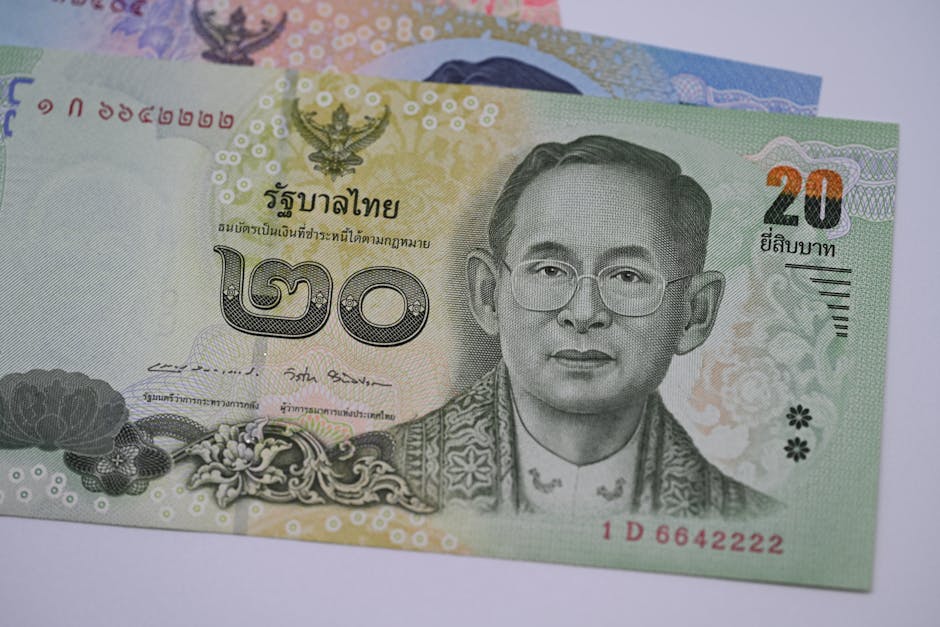
In Southeast Asia, cash remains widely accepted and in many cases preferred. Thai baht, Vietnamese dong, Indonesian rupiah, and Philippine peso are all widely available via ATMs in cities and tourist areas, though foreign card fees of 150 to 220 baht (Thailand) or equivalent are common.
Card machines are standard at shopping malls, larger restaurants, and hotels in Bangkok, Hanoi, Ho Chi Minh City, Bali, and Manila, but rural markets and street food stalls are cash only. Carry a mix of local cash and a low-fee card such as Wise or Revolut to minimise ATM charges.
Singapore is the most card-friendly destination in the region, with PayWave contactless accepted almost everywhere.
Japan is cash-dependent to a degree that surprises most visitors. Many mid-range restaurants, convenience stores, and ryokan only accept yen in hand, particularly outside Tokyo and Osaka.
The best way to access cash is at 7-Bank ATMs inside 7-Eleven stores, which are open 24 hours, accept foreign Visa, Mastercard, Maestro, Cirrus, and UnionPay cards, and are found at 20,000+ locations across the country. Japan Post ATMs at post offices also accept foreign cards but close overnight.
Note that Suica and most IC cards can only be topped up with cash at station machines — you cannot load them directly from a foreign card at a vending machine kiosk.
Apps to Install Before You Leave
| App | Why | Cost | Platform |
|---|---|---|---|
| Grab | Dominant ride-hailing, food delivery, and payments app across eight Southeast Asian countries: Singapore, Malaysia, Cambodia, Indonesia, Myanmar, Philippines, Thailand, and Vietnam. Uber merged its SE Asia operations into Grab in 2018. | Free (rides charged per trip) | iOS / Android |
| Gojek | Indonesia’s leading super-app for motorbike taxis (GoRide), car rides (GoCar), food delivery (GoFood), and payments (GoPay). Also operates in Singapore. Often cheaper than Grab for short motorbike hops in Jakarta and Bali. | Free (rides charged per trip) | iOS / Android |
| DiDi | China’s dominant ride-hailing app. Requires a Chinese phone number or account to fully register. Available in English. The only practical alternative to taxis in Chinese cities for most foreign visitors. | Free (rides charged per trip) | iOS / Android |
| Google Maps (with offline packs) | Download offline map packs for Japan, South Korea, Thailand, Vietnam, Indonesia, and other destinations before departure. Works without mobile data for navigation, though real-time traffic and transit updates require connectivity. Note: blocked in mainland China. | Free | iOS / Android |
| Naver Maps | The most accurate mapping app for South Korea. Google Maps is unreliable for Korean transit routing due to South Korean government data restrictions. Naver Maps provides accurate subway, bus, and walking routes across the entire country. | Free | iOS / Android |
| KakaoTalk | South Korea’s default messaging app with around 90% market share. You will need it to communicate with Korean guesthouses, tour operators, and locals. Kakao T (within the same ecosystem) is also the main taxi-hailing app in Korea. | Free | iOS / Android |
| Alipay International | Essential for cashless payments in mainland China. The international Tourpass feature (launched 2019) allows foreign visitors to pre-load foreign currency without a Chinese bank account. Download and set up before you land in China. | Free | iOS / Android |
| China’s dominant messaging, social media, and payments super-app. WhatsApp, Facebook Messenger, Telegram, and Instagram are all blocked in China, so WeChat is the primary way to communicate with people inside the country. Register and verify your account before arriving in China. | Free | iOS / Android | |
| LINE | The dominant messaging app in Thailand, Japan, and Taiwan. Many Thai businesses, tour operators, and Airbnb hosts communicate exclusively via LINE. Japan uses it alongside iMessage. Download it before arriving in any of these three countries. | Free | iOS / Android |
| Klook | Leading Asia-focused activity and attraction booking platform. Covers skip-the-line tickets, day tours, rail passes (Japan Rail Pass, Hong Kong Airport Express), and SIM cards across the region. Prices are often lower than booking at the venue. | Free (activities charged per booking) | iOS / Android |
| Google Translate (with offline language packs) | Download offline language packs for Japanese, Korean, Thai, Mandarin, Vietnamese, and Indonesian before departure. The camera translation mode (point phone at a menu or sign) works without an internet connection once the pack is downloaded. | Free | iOS / Android |
| Wise (formerly TransferWise) | Multi-currency debit card and app for managing money across multiple Asian currencies. Converts at the real mid-market rate with low fees. Useful for loading Thai baht, Japanese yen, Singapore dollars, and other currencies before or during your trip. | Free (card issued for a small fee) | iOS / Android |
| Agoda | Asia’s most widely used hotel booking platform, with particularly strong coverage in Southeast Asia, Japan, and Korea. Often has lower prices than international platforms for local guesthouses, ryokan, and boutique hotels. | Free (accommodations charged per booking) | iOS / Android |
| inDrive | An alternative to Grab in some Southeast Asian and South Asian markets where Grab has less coverage. Allows fare negotiation directly with the driver. Available in parts of the Philippines, Thailand, and India. | Free (rides charged per trip) | iOS / Android |
How Much Data You Actually Need
The biggest mistake travellers make is underestimating the amount of data they need, then burning through a 1GB plan before lunch on day one. Here is what real activities consume per hour:
Data per hour by activity (lower is better)
| Profile | Activities | Per Day | Week Total | Suggested Plan |
|---|
Activating Your eSIM on Arrival

⚠ Heads up: Most eSIM plans start counting from first data use, not from purchase. Install your profile at home on Wi-Fi and the plan stays dormant until you connect to an Asian network. Install before you fly for peace of mind so a third of your plan has not expired before you reach your hotel.
Install Before You Fly: 3 Simple Steps
Save the QR code to your email, camera roll, and a screenshots folder while you are on home Wi-Fi.
iPhone: Settings > Cellular > Add eSIM > Use QR Code. Android: Settings > Network & Internet > SIMs > Add eSIM.
Label the profile with the destination name so switching back is easy. No need to download the app to activate.
Turn off airplane mode, activate your plan by setting your eSIM line as primary data, and the profile auto-connects in seconds. The profile auto-connects to the local carrier in seconds.
If You Have Not Set It Up Yet: Airport Guide
Singapore Changi (SIN)
Unlimited free Wi-Fi throughout all terminals with no login required. The strongest airport Wi-Fi in Asia for scanning an eSIM QR code.
Full 4G from Singtel and StarHub is live inside all terminals. ESIM QR codes scan and attach in under 60 seconds from the arrivals hall.
Fallback: Singtel, StarHub, and M1 carrier stores are open past midnight in T3 arrivals for walk-in physical SIMs.
Seoul Incheon (ICN)
Free 5G Wi-Fi from SK Telecom is available across both terminals without login. One of the fastest airport connections in Asia.
SK Telecom and KT both have staffed eSIM counters in arrivals that can activate and troubleshoot QR codes on the spot.
Fallback: SK Telecom counter in T1 and T2 arrivals handles eSIM installs directly at the desk.
Tokyo Narita / Haneda (NRT/HND)
Free Wi-Fi at both airports requires email registration before use. Allow 3 to 5 minutes to complete the signup form in the arrivals hall.
SoftBank and KDDI are both live inside arrivals at Narita T1, T2, and T3. Coverage is full 4G from the gate to the exit.
Fallback: IIJmio and SoftBank staffed counters at Narita sell tourist SIMs from JPY 3,000 for 3 days.
Bangkok Suvarnabhumi (BKK)
Free airport Wi-Fi requires a Thai phone number for SMS verification. Without a local number you cannot use the airport Wi-Fi to scan a QR code.
AIS, True Move H, and DTAC all have staffed kiosks in the Level 2 arrivals hall that sell tourist SIMs and activate eSIMs on the spot.
Fallback: AIS 7-day tourist SIMs start at THB 299, around USD 8. Pre-purchasing an eSIM online saves 40 to 60 percent vs the kiosk price.
Phone Numbers and SMS
A data-only eSIM gives you internet access but no local phone number, which creates a specific problem across Asia: many apps and services — from Grab ride confirmations to hotel check-in links — send verification codes via SMS to a local number. The most reliable solution for multi-country travellers is to keep your home SIM active in a dual-SIM phone alongside your eSIM data plan.
Your home SIM handles SMS verification (Grab, hotel booking confirmations, bank 2FA) while the eSIM provides the cheap data connection. Most modern smartphones support this combination without needing to physically swap cards.
For voice calls and messaging, the blocked-app situation in China aside, WhatsApp calling covers most of Asia reliably. In South Korea, KakaoTalk supports free voice and video calls.
LINE voice calls are standard for communication in Thailand, Japan, and Taiwan. If you genuinely need a local number — for example, to register Alipay or set up a Thai bank transfer — virtual number services such as SMS-Man or receive-smsonline.com provide disposable numbers for one-time verification codes, though reliability varies by country and app.
Where You Will Actually Use Your eSIM
- BangkokYou will burn data fast here — Grab for every ride (fixed prices, no haggling), Google Maps to navigate between BTS and MRT stations that don’t link at the fare level, and food delivery apps to order from the street-food-style restaurants that only accept orders via app after 10pm.
- TokyoChecking bullet-train timetables on the JR East app, looking up Suica balances, translating restaurant menus with Google Translate camera mode, and navigating between train lines using the Japan Official Travel App or Google Maps offline.
- SeoulNaver Maps for transit routing (Google Maps gives incorrect times), KakaoTalk for communicating with guesthouses and tour guides, and streaming on the subway, which has full 5G coverage on every Seoul Metro line underground.
- SingaporeSingapore’s MRT is easy to navigate with Google Maps, but data is most useful for Grab rides between hawker centres and tourist sites, accessing the National Parks app for Gardens by the Bay, and contactless payments where PayNow QR codes at food stalls require a local bank app.
- BaliEssential for navigation on scooters between Ubud, Seminyak, Kuta, and Uluwatu — road signs are inconsistent and Google Maps offline packs are useful in areas with patchy signal. Grab operates in Denpasar and Kuta; outside those areas, negotiate directly with drivers using WhatsApp.
- Hanoi and Ho Chi Minh CityGrab dominates ride-hailing here, and you will use data constantly for navigation in the dense alley networks of the Old Quarter (Hanoi) and District 1 (HCMC). Google Translate’s camera mode is essential for reading Vietnamese menus. Grab Bike (motorbike taxi) is the fastest option for short trips during rush hour.
- ManilaGrab is the standard for safe, metered rides across Metro Manila, where unmetered taxis and jeepney routes can be confusing for first-time visitors. Data is useful for the Angkas and Move It motorbike taxi apps, and for navigating the Pasig River Ferry route, which skips traffic entirely.
- Kuala LumpurGrab dominates; the KL Sentral transport hub connects the KLIA Express airport link, LRT, MRT, and monorail, all payable with Touch ‘n Go. Data is useful for the MyRapid app for bus route planning and for Grab food delivery, which is competitive with street food in price during lunch hours.
- Hong KongThe Octopus card covers everything transport-related, but you will use data for Google Maps walking routes through Kowloon and Central, the MTR Mobile app for fare calculation, and WhatsApp or Signal for communicating with locals, as WhatsApp has strong penetration in Hong Kong unlike mainland China.
Frequently Asked Questions
These are the best eSIMs for Asia in 2026, reviewed and ranked so you can pick the right plan for your trip.
Does Asia support eSIM?
Yes, most countries in Asia, including Japan, South Korea, China, Thailand, and Vietnam, have extensive support for eSIM technology on their major networks. It’s the standard for modern connectivity in the region.
Which is the best eSIM for Asia?
We recommend eSIM4 as the best eSIM for Asia due to its wide coverage, affordable pricing, and reliable service. It offers excellent value compared to other esims.
How do I activate my eSIM?
After purchasing your plan, you will receive a QR code via email. Scan this code in your phone settings under “Mobile Data” or “Cellular” to install the profile. Activate it upon arrival to stay connected.
Can I share my data?
Yes, most eSIM providers, including eSIM4, allow you to use your phone as a hotspot to share data with other devices like laptops or tablets. However, some unlimited data plans from competitors like Holafly may restrict this feature.
What is the best eSIM for travelling in Asia?
eSIM4 is the best eSIM for Asia travel in 2026. It covers 18 countries including China, India, Japan, South Korea, Thailand, Vietnam, Indonesia, Malaysia, the Philippines, Singapore, and Taiwan on a single plan. Unlimited data is available from 3 to 15 days starting at $9.98, and plans run up to 20 GB for 30 days.
Are there any downsides to using an eSIM in Asia?
The main limitation of most Asia travel eSIMs is that they are data-only, meaning you do not get a local phone number. Hotel SMS verification, Grab account checks, and some banking apps require a phone number to send OTP codes.
The workaround is to keep your home SIM in a dual-SIM slot for SMS while the eSIM handles data. ESIM4 also offers an optional Yabb add-on that gives you a real routable number with voice and SMS.
Is Holafly a good eSIM for Asia?
Holafly offers an unlimited Asia eSIM but at a higher price point than most competitors in this comparison. Its unlimited plan does not include China in the same coverage zone as its Southeast Asia plan, which is a drawback for multi-country itineraries that include a China leg. ESIM4, Nomad, and Airalo all offer better value at comparable or lower prices for most Asia routes.
Do I need a separate eSIM for each Asian country?
Not if you use a regional Asia eSIM like eSIM4. A single Asia plan covers up to 18 countries including Japan, South Korea, Thailand, Vietnam, Indonesia, Malaysia, the Philippines, Singapore, Taiwan, China, India, and others.
You do not need to swap plans or buy country-specific SIMs for each destination. The plan switches carriers automatically as you cross borders.
Does an eSIM work in China?
Most standard eSIMs connect to a Chinese domestic carrier that operates inside the Great Firewall. That means Google Maps, WhatsApp, Instagram, Facebook, and YouTube are all blocked.
ESIM4’s Asia plan routes through a gateway outside the firewall, so these apps work without a separate VPN. If you are planning to use standard apps during your China leg, verify that your eSIM provider specifically handles the firewall before you buy.
About the author: Peter Moore
eSIM Content Writer at eSIM4
Peter Moore has spent more than seven years in telecommunications marketing, working across mobile apps, SMS services, international calling, and eSIM technology. He now writes about eSIMs and travel connectivity full-time, sharing what he’s learned to help travellers cut through provider marketing and pick what actually works.
