












eSIM USA
Best Time to Visit Redwood National Park
Oct
Everyone will tell you summer is the best time to visit the redwoods.
The “best” time to visit Redwood National and State Parks doesn’t exist as some universal truth.
But the perfect time for your specific priorities, whether that’s dramatic photography, family-friendly weather, rock-bottom prices, or blissful solitude, absolutely does.
This guide will help you find it, plan it, and pull it off flawlessly.
At a Glance: Best Time to Visit Redwood National Park by Month
Here’s your 30-second answer. Choose your priority, find your month:
| Month | Avg Temps (°F) | Rainy Days | Crowd Level | Avg Hotel Cost | Best For |
|---|---|---|---|---|---|
| January | 45-56° | 11 days | ★☆☆☆☆ | $70-90 | Budget travelers, storm watchers, ultimate solitude |
| February | 46-57° | 10 days | ★☆☆☆☆ | $70-90 | Photographers (moody fog), off-season adventurers |
| March | 47-58° | 10 days | ★★☆☆☆ | $80-100 | Budget-conscious, early wildflowers, smaller crowds |
| April | 48-60° | 7 days | ★★☆☆☆ | $90-120 | Spring blooms, comfortable temps, manageable crowds |
| May | 51-63° | 5 days | ★★★☆☆ | $110-150 | Rhododendron peak, ideal weather, families |
| June | 54-66° | 2 days | ★★★★☆ | $130-180 | Driest month, warmest temps, wildflowers |
| July | 56-67° | 1 day | ★★★★★ | $150-250 | Peak crowds, guaranteed sun, warmest weather |
| August | 56-68° | 1 day | ★★★★★ | $150-250 | Similar to July, slightly warmer inland |
| September | 55-67° | 2 days | ★★★☆☆ | $120-160 | Secret season—summer weather, fewer crowds |
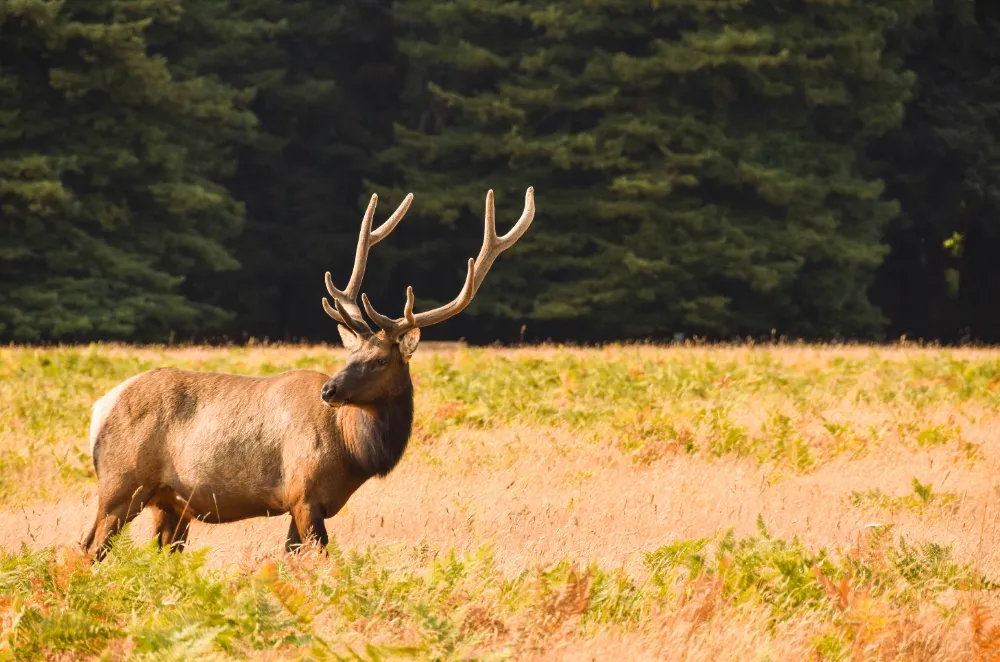
| October | 52-63° | 5 days | ★★☆☆☆ | $90-120 | Elk rut viewing, fall colors (minimal), mushrooms |
| November | 49-59° | 9 days | ★☆☆☆☆ | $70-95 | Storm season begins, serious solitude, mushroom foraging |
| December | 46-56° | 11 days | ★☆☆☆☆ | $70-90 | Holiday escape, winter magic, lowest prices |
The TL;DR: May and September offer the best weather-to-crowd ratio. July-August guarantee sunshine but bring traffic jams. January-March deliver unbeatable prices and solitude if you embrace the rain. October is the secret weapon for wildlife and fall ambiance.
Stop Overpaying in Roaming Fees (Or Wasting Time Hunting for Local SIM Cards)
Overseas travel often means choosing between outrageous roaming charges or scrambling for local SIM cards the moment you land.
One drains your budget. The other steals time away from your holiday.
Smart travelers are now switching over to eSIMs.
eSIMs give you data at a fraction of the cost of what your telco charges for roaming and most modern phones have eSIM technology set up – (although you’ll need to check your phone’s compatibility here).
How eSIM4.com Works:
- Step 1: Pick your destination and data plan
- Step 2: Scan our QR code (takes 3 minutes)
- Step 3: Land overseas with instant local network access
No queues. No tiny plastic cards. No bill shock.
Just seamless, affordable data from the moment you land.
Stop letting phone companies raid your travel budget. Join the smart travelers who’ve already switched.
Get Your eSIM NowUnderstanding Redwood Weather & Microclimates
Before you dismiss winter or embrace summer based on generic seasonal advice, you need to understand something most visitors miss: Redwood National and State Parks aren’t one uniform climate zone. The coastal areas and inland groves can feel like different worlds on the same day.
The Microclimate
Coastal Areas (Prairie Creek, Gold Bluffs Beach, Coastal Drive):
- Summer: Often 10-15°F cooler than inland, persistent morning fog, can feel downright chilly in July
- Winter: Windier, wetter, more dramatic—this is where Pacific storms slam into the coastline
- Best for: Photography (fog creates magic), storm watching, cooling off in summer heat
Inland Areas (Jedediah Smith, Howland Hill Road, Tall Trees Grove):
- Summer: Warmer, sunnier, less fog penetration—can reach 75-80°F on hot days
- Winter: More protected from wind, drier conditions despite still-frequent rain
- Best for: Comfortable hiking in summer, more tolerable conditions in winter
Strategic Routing: If you’re visiting in scorching August, start your day inland at Jedediah Smith by 7am, then migrate to coastal areas (Damnation Creek Trail, Gold Bluffs Beach) by afternoon for natural air conditioning. In February, prioritize inland groves where you’re more sheltered from the worst Pacific storms.
The Fog
Here’s what photography guides gloss over: the iconic “redwood experience” you’ve seen in photos—those cathedral-like light beams piercing through towering trees? That’s fog. Specifically, coastal fog that rolls in most reliably from June through August in the early morning hours.
Summer visitors often complain about fog “ruining” their experience. Those are the people taking snapshots. Photographers know the truth: foggy, overcast days create the best redwood images. Harsh summer sun creates blown-out highlights and ugly shadows. Fog provides soft, even light that makes the green foliage absolutely pop.
Fog Timing by Season:
- Summer (June-August): Thick marine layer most mornings, usually burns off by 11am-2pm inland, persists all day at coast
- Fall (September-November): Less predictable, occasional foggy mornings
- Winter (December-March): Fog often replaced by actual clouds and rain, but misty mornings still happen
- Spring (April-May): Transitional—some foggy mornings, increasingly sunny afternoons
The Rainfall
The stats say the area gets 60-80 inches of rain annually, with 75% falling November through March. But here’s what matters more than total rainfall: rainy days.
January averages 11 rainy days. That sounds oppressive until you realize it also means 20 non-rainy days. And “rainy day” often means showers with breaks, not 24 hours of downpour. Meanwhile, June averages just 2 rainy days—but when those systems roll in, they can be surprise storms that drench unprepared summer visitors who assumed it never rains.
Winter Rain Reality Check: Yes, you’ll get wet. But trails are muddy year-round anyway (the forest floor never fully dries), and proper rain gear transforms the experience from miserable to magical. There’s something profound about standing in an ancient grove during a gentle rain, hearing drops patter on ferns while you’re the only person for miles.
Wildlife Seasonality
Roosevelt Elk: Most visible September-November (rutting season—bulls bugle and spar) and March-May (calving season). Congregate in meadows at Elk Prairie and Gold Bluffs Beach. Early morning and dusk viewing best year-round.
Banana Slugs: Emerge after first substantial fall rains (October-November) and remain active through spring. Summer heat sends them into dormancy.
Salmon Runs: Fall and winter (October-January) in Klamath River and coastal creeks. Best viewing after first rains when water levels rise.
Gray Whales: Migrate past the coast December-April. Viewable from coastal overlooks like Klamath Overlook and High Bluff Overlook.
Visiting Redwood National Park in May
The Vibe: May is when the redwoods show off. Rhododendrons explode in shocking pink blooms, weather is consistently gorgeous, and crowds remain manageable. This is the month that converts skeptics into redwood devotees.
Weather:
- Average temps: 51-63°F (perfect hiking weather—shorts or pants both work)
- Rainy days: ~5 (mostly brief passing showers, rarely all-day rain)
- Sunrise/sunset: 5am/7:45pm (gloriously long days—you can hike until 8pm)
- Fog likelihood: Moderate mornings at coast, sunny afternoons inland
Crowd Levels: Crowds reach ★★★☆☆ as families target the long Memorial Day weekend, but weekdays remain blissfully quiet. You’re threading the needle between spring’s emptiness and summer’s chaos—exactly where you want to be.
What’s Good This Month:
- Rhododendron Peak: Late May is THE time for these massive pink blooms—Damnation Creek Trail and Cathedral Trees become tunnels of flowers
- Best Weather-to-Crowd Ratio: Arguably the sweet spot of the entire year—summer weather without summer hordes
- Elk Calves: Still visible and now mobile—watching them frolic in Elk Prairie meadows at sunrise is genuinely moving
- Accessible Camping: All campgrounds open and bookable but not yet slammed (weekdays especially)
- Fern Canyon Reopens: Access road typically opens mid-May after winter closures—check exact dates
The Trade-Offs:
- Memorial Day weekend (late May) brings the first real crowd surge—book lodging months ahead
- Prices creep up toward summer rates, especially over the holiday weekend
- Coastal areas can still be chilly and foggy—bring layers despite “spring” label
Insider Tip: The week between Mother’s Day and Memorial Day is the single best week of the year for families with school-age kids (if you can swing it). Weather is ideal, rhododendrons are peak, crowds are minimal weekdays, and you’ll save $50-100/night versus summer. Book a cabin at Elk Meadow Cabins in Orick and your kids will remember this trip forever.
Best Spots This Month: Damnation Creek Trail (rhododendron tunnel), Cathedral Trees Trail (flowers + solitude), Fern Canyon (just reopened, not yet crowded), James Irvine Trail to Fern Canyon (10-mile loop perfection)
Visiting Redwood National Park in June
The Vibe: June is when California’s perfect weather reputation actually delivers. This is peak hiking season—warm temperatures, minimal rain, long days, and forests at their most lush. It’s also when parking lots start requiring strategic timing.
Weather:
- Average temps: 54-66°F (ideal for all-day hiking, though coastal areas stay cool)
- Rainy days: ~2 (statistically the driest month—rain is rare and brief)
- Sunrise/sunset: 4:45am/8pm (maximum daylight—plan accordingly)
- Fog likelihood: High mornings at coast (perfect for photography), burns off midday inland
Crowd Analysis: Jumps to ★★★★☆ as school lets out nationwide. Early June weekdays are still manageable, but post-June 15th brings serious traffic. Popular trailheads (Lady Bird Johnson, Tall Trees, Fern Canyon) fill by 10am on weekends.
What’s Good This Month:
- Guaranteed Good Weather: If you absolutely cannot risk rain, June is your month—2 rainy days means 28 dry ones
- Wildflower Finale: Late-season blooms plus lingering rhododendrons create a floral grand finale
- Warm Ocean (Relatively): “Warm” means 54-56°F—still frigid but technically warmest it gets (Gold Bluffs Beach for the brave)
- Full Park Access: Every road, trail, and facility is open and operational
- Wildlife Activity: Elk with calves, active banana slugs, birds nesting—forest feels alive
The Trade-Offs:
- Crowds arrive in force late June—expect parking lot competitions at popular sites
- Lodging prices jump to $130-180/night, campgrounds book solid weekends
- Coastal fog can persist all day at beaches, frustrating sunbathers
- Tall Trees Grove permits (50/day) start requiring early arrival or advance planning
Insider Tip: The secret to June is attacking popular trails at crack of dawn. I’m talking 6:30am arrival at Lady Bird Johnson Grove or Fern Canyon. You’ll have an hour of magical solitude before the crowds arrive, plus you’ll catch the best light and wildlife activity. By 10am when parking lots are full, you’re finishing up and heading to less-visited spots like Simpson-Reed or Stout Grove.
Best Spots This Month: Any trail if you go early; specifically Fern Canyon (morning only), Tall Trees Grove (permit required, arrive by 8am), Boy Scout Tree Trail (still overlooked despite June crowds)
Visiting Redwood National Park in July
The Vibe: July is peak everything—peak crowds, peak prices, peak sunshine, and peak frustration if you don’t plan strategically. This is the month tourists think they “should” visit. It’s also when locals avoid like the plague.
Weather:
- Average temps: 56-67°F (warmest month, though coastal areas stay surprisingly cool)
- Rainy days: ~1 (essentially guaranteed sunshine)
- Sunrise/sunset: 5am/8pm (still long, glorious days)
- Fog likelihood: Very high at coast in mornings, reliable afternoon sun inland
Crowd Analysis: ★★★★★—this is it, folks. Peak crowds. Lady Bird Johnson Grove parking lot by 9am? Forget it. Fern Canyon at noon? Prepare to share the trail with 100+ people. This isn’t an exaggeration. July weekend visitor counts are 8-10x winter levels.
What’s Good This Month:
- Weather Certainty: Booking a July trip means near-zero weather risk—ideal if you’re traveling far or have inflexible vacation time
- Warmest Temps: Best month for camping comfort and afternoon swims at freshwater rivers (not ocean—still freezing)
- Full Facility Operations: Every visitor center, ranger program, and shuttle service running at capacity
- Guaranteed Park Access: No road closures, no weather concerns, everything’s open
The Trade-Offs:
- Crowds are genuinely oppressive at popular sites—you’ll wait for parking, share trails with tour groups, queue for restrooms
- Lodging costs peak at $150-250/night minimum—book 3-6 months ahead or settle for 30+ miles away
- Campground reservations essential—walk-up camping is essentially impossible weekends
- Coastal chill surprises visitors—people arrive in tank tops and freeze at Gold Bluffs Beach in 55°F fog
Insider Tip: Here’s how to survive July: inverse the typical tourist schedule. While everyone’s arriving at 10am, you’re hitting the popular trails at 6:30am. By 11am when parking lots are circuses, retreat to forgotten gems: Stout Grove (requires driving unpaved Howland Hill), Simpson-Reed (wheelchair accessible but overlooked), or Mill Creek Trail (gorgeous and empty because it’s not in the main park). Have lunch, nap in the cool forest, then hit major sites again after 4pm when day-trippers head to dinner.
Alternatively: embrace the coastal fog. When inland areas are warm and crowded, Coastal Trail sections and Damnation Creek are cool, foggy, and surprisingly peaceful because everyone’s chasing sunshine inland.
Best Spots This Month: Early morning anywhere popular; midday at Stout Grove, Simpson-Reed, Mill Creek Trail; late afternoon returns to major groves; any coastal trail midday when others avoid fog.
Visiting Redwood National Park in August
The Vibe: August is July’s clone with one key difference: it’s marginally warmer inland, which makes coastal areas even more appealing as natural air conditioning. Otherwise, everything from July applies—crowds, costs, and strategies.
Weather:
- Average temps: 56-68°F (1-2° warmer than July, most noticeable inland)
- Rainy days: ~1 (essentially identical to July)
- Sunrise/sunset: 5:30am/7:30pm (losing daylight but still plenty)
- Fog likelihood: Still very high at coast, reliable burning off inland
Crowd Levels: ★★★★★—peak continues through mid-August, slight tapering after schools start (typically third week of August in California, varies elsewhere). Labor Day weekend brings one final surge.
What’s Good This Month:
- Warmest Overall: Best month for comfortable camping and river swimming (Smith River, Klamath River)
- Established Routines: If you visited in July, August offers familiarity; if you missed July, it’s a second chance
- Late-Summer Wildlife: Elk herds start forming up at Elk Prairie—early signs of rutting season
- Berry Season: Huckleberries and other wild berries ripen along trails (sample but don’t gorge—leave for wildlife)
The Trade-Offs:
- Everything from July applies—crowds, costs, parking nightmares at popular sites
- Vegetation reaches peak density—some trails feel more overgrown than earlier months
- Banana slugs retreat into dormancy in dry areas during hot spells
Insider Tip: Late August (post-August 20th) is when savvy travelers start appearing. School starts for many districts, crowds drop 30-40% immediately, but weather remains summer-perfect. If you have flexibility, target August 20-31 over earlier in the month. Hotels notice the drop and sometimes reduce rates slightly.
Best Spots This Month: Same as July—early mornings at popular spots, midday at overlooked trails, coastal areas for cooling off
Visiting Redwood National Park in November
The Vibe: November is when the redwoods return to their moody, dramatic essence. Pacific storms roll in with increasing frequency, trails empty out completely, and the forest feels primal again. This is for travelers who find beauty in wildness over comfort.
Weather:
- Average temps: 49-59°F (cooling down, definitely jacket weather)
- Rainy days: ~9 (legitimate wet season has arrived)
- Sunrise/sunset: 6:45am/5pm (short days—plan carefully)
- Fog likelihood: Moderate, often replaced by storm systems and low clouds
Crowd Levels: ★☆☆☆☆—back to profound solitude. Thanksgiving week sees a minor bump from Bay Area visitors, otherwise you’re alone.
What’s Good This Month:
- Ultimate Solitude: Major trails might see 2-3 other hikers all day
- Storm Watching: Gold Bluffs Beach and coastal overlooks offer spectacular Pacific storm viewing from safe vantage points
- Elk Bulls Still Active: Rut winds down but bulls remain visible in herds
- Mushroom Foraging Peak: Forest floor is mushroom heaven—if you know what you’re doing (or join a guided foray)
- Rock-Bottom Prices: Hotels drop to $70-95/night—save $150+ versus summer for a 3-night trip
- Salmon Runs: Klamath River and coastal creeks see returning salmon (check water levels post-rain)
The Trade-Offs:
- You will get rained on frequently—waterproof everything
- Short days mean 9am-4pm hiking window realistically
- Some backcountry roads may be muddy or temporarily closed after storms
- Limited facility hours—visitor centers and services reduce schedules
Insider Tip: November is when hardcore mushroom foragers descend on the redwoods. If you’re serious about fungi, join Humboldt Bay Mycological Society’s events or hire a guide. The forest floor diversity in November rivals tropical rainforests.
For non-foragers: this is the month to splurge on a cabin with a fireplace and hot tub. Book a place near Prairie Creek, spend mornings hiking in the rain (proper gear makes it magical, not miserable), then return to your cozy cabin for hot chocolate and card games. It’s a completely different park experience than summer—equally valid, utterly peaceful.
Best Spots This Month: Jedediah Smith Redwoods (most sheltered), Stout Grove (stunning in rain), Gold Bluffs Beach (storm watching), any old-growth grove (total solitude)
How to Choose Your Perfect Month (Decision Framework)
Still overwhelmed? Use this decision tree:
If you prioritize WEATHER above all else: → June, July, August, September (in that order for certainty)
If you prioritize SOLITUDE above all else: → January, February, November, December
If you want the BEST OVERALL BALANCE: → May or September (the two secret perfect months)
If you want WILDLIFE (especially elk): → October for rut, May for calves, year-round for general viewing
If you’re on a TIGHT BUDGET: → January, February, November, December (save $100-150/night on lodging)
If you’re PHOTOGRAPHY-focused: → February (god rays), May (rhododendrons), October (mushrooms + fall colors)
If you have INFLEXIBLE summer vacation: → June 1-15 (before peak crowds) or late August (after some schools start)
If you want the ULTIMATE experience regardless of weather: → February or October (dramatic conditions, incredible moments, profound solitude)
Practical Planning Tips for Any Season
Lodging Strategy
Summer (June-August):
- Book 3-6 months ahead minimum
- Expect $150-250/night near the parks
- Consider lodging in Crescent City (north) or Arcata (south) if park accommodations are full
- Campground reservations (recreation.gov) open 6 months ahead—set calendar alerts
Shoulder Season (April-May, September-October):
- Book 1-3 months ahead for best selection
- Prices drop to $90-160/night
- More last-minute availability possible
- Campgrounds easier to book but weekends still fill up
Winter (November-March):
- Can book last-minute (week or two ahead)
- Best rates of the year ($70-95/night)
- Some hotels offer winter packages or AAA discounts—always ask
- Campgrounds are first-come, first-served (no reservations) and rarely full
What to Pack (Seasonal)
Summer Essentials:
- Layers (coastal fog means 55°F mornings, 70°F inland afternoons)
- Sunscreen and hat (inland areas get serious sun)
- Water bottles (1L minimum per person)
- Light rain jacket (those 1-2 rainy days happen)
- Bug spray (mosquitoes near water features)
Winter Essentials:
- Waterproof rain jacket (non-negotiable)
- Waterproof pants (hiking in the rain requires these)
- Waterproof hiking boots (trails are muddy year-round but worse in winter)
- Extra layers (fleece + puffy jacket for cold mornings)
- Gloves and warm hat
- Microspikes (rare but possible for icy conditions)
- Quick-dry clothes (cotton kills in wet cold)
Year-Round Must-Haves:
- Sturdy hiking boots (trails are never fully dry)
- Headlamp (for early starts or long hikes)
- First aid kit
- Park map (cell service is spotty)
- Binoculars (wildlife viewing)
- Reusable water bottle
- Snacks/lunch (limited food options in parks)
How Many Days to Visit
Minimum for highlights: 2 full days (one day north groves, one day south)
Comfortable trip: 3-4 days (allows for exploration without rushing, bad weather backup)
Ideal trip: 5-7 days (can see everything, revisit favorites, handle weather variations)
Sample 3-Day Itinerary (Adaptable to Any Season):
Day 1 – North Section:
- Morning: Stout Grove (1 hour)
- Midday: Boy Scout Tree Trail via Howland Hill Road (4 hours round-trip)
- Afternoon: Simpson-Reed Trail or explore Jedediah Smith campground area
- Stay in Crescent City
Day 2 – Middle Section:
- Early morning: Elk Prairie for elk viewing (1 hour)
- Morning: Hike in Prairie Creek area—Cathedral Trees or James Irvine Trail
- Afternoon: Drive Newton B. Drury Scenic Parkway, stop at Big Tree
- Late afternoon: Fern Canyon if accessible (1.5 hours)
- Stay in Orick
Day 3 – South Section & Coast:
- Morning: Tall Trees Grove (permit required, 4 hours round-trip)
- Afternoon: Coastal overlooks (High Bluff, Klamath Overlook) for views and whale watching
- Optional: Damnation Creek Trail if time/energy permits (challenging but spectacular)
Adjust based on season—winter trips need weather backup plans, summer trips benefit from earlier starts to beat crowds.
